
Last Updated: July 2026
This Cairo pyramids guide covers exactly what you need to know to visit Cairo and the Pyramids of Giza. Book Grand Egyptian Museum tickets online in advance since on-site sales have stopped, budget separate entry fees for the Giza Plateau and the Great Pyramid’s interior, and plan two full days minimum to cover the pyramids, the new museum, and Islamic Cairo without rushing. What follows is exactly what to book, what it costs, and how to fit it all together.
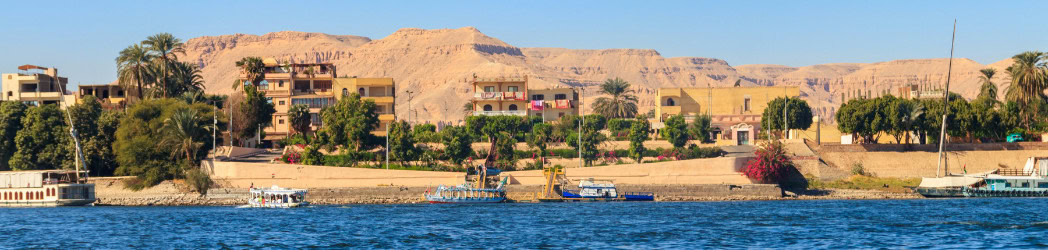
Where 4,500 years of history fit into a single afternoon view.
Expert Summary
- The Grand Egyptian Museum opened November 1, 2025, and requires online timed-entry booking through the official visit-gem.com portal; on-site ticket sales have ended.
- Foreign adult GEM tickets run approximately $28 to $30, covering the full Tutankhamun collection and Khufu’s Solar Boat in one admission.
- Giza Plateau entry costs around $18 for general admission, plus roughly $13 more for access inside the Great Pyramid itself.
- The old Egyptian Museum in Tahrir Square remains open at least through 2030 and still holds the royal mummies hall.
- Two full days is the realistic minimum to cover the Pyramids, the GEM, and one more site like Saqqara or Islamic Cairo without feeling rushed.
Jump to Section
Cairo Pyramids Guide: At a Glance
| Site | Approx. cost (foreign adult) | Time needed |
|---|---|---|
| Giza Plateau general admission | ~$18 | 2 to 3 hours |
| Great Pyramid interior access | ~$13 extra | 15 to 20 minutes |
| Solar Boat Museum | ~$3 | 20 to 30 minutes |
| Grand Egyptian Museum (GEM) | ~$28 to $30 | 3 to 5 hours |
| Egyptian Museum, Tahrir Square | ~$10 to $15 | 1.5 to 2 hours |
| Saqqara and Dahshur (guided) | $80 to $120 combined tour | Half day |
The Pyramids of Giza and the Sphinx
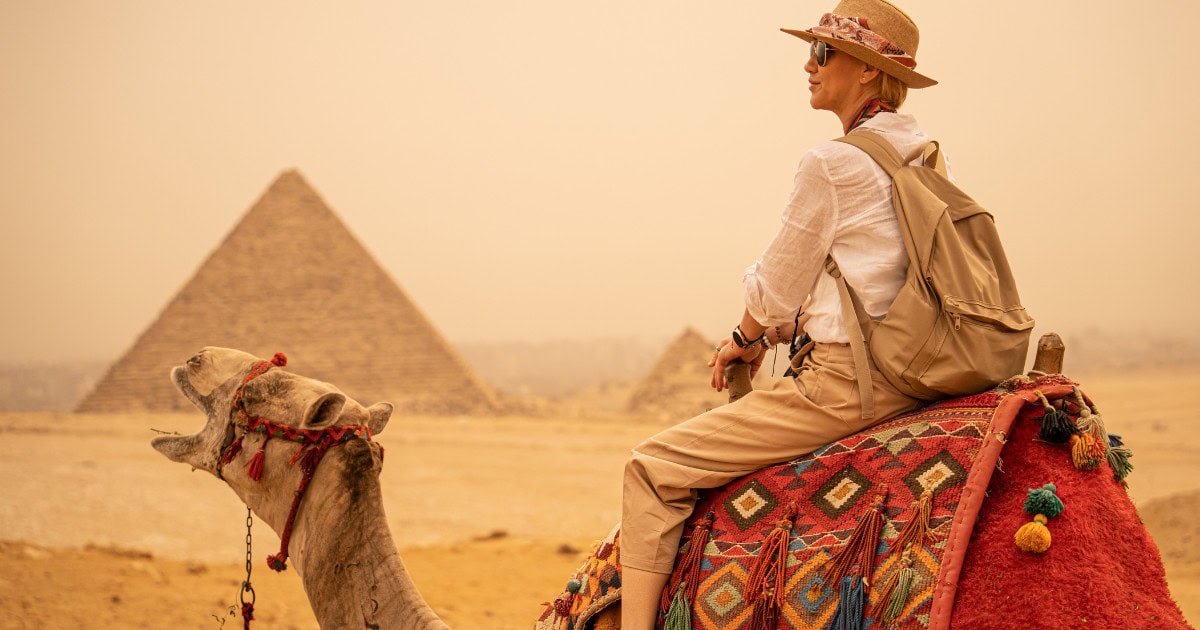
The Giza Plateau is the reason most people plan an Egypt trip in the first place, and it earns the reputation. General admission covers the plateau, the Sphinx, and exterior views of all three main pyramids, currently around $18 for foreign visitors. Going inside the Great Pyramid of Khufu costs an additional fee, roughly $13, and is genuinely worth it once for the narrow, steep passage experience alone, though it is not for anyone with claustrophobia or mobility concerns.
The Solar Boat Museum, housing a fully reconstructed 4,500-year-old vessel found buried beside the Great Pyramid, charges a small separate fee of around $3 and takes only 20 to 30 minutes to see properly.
Photography outside the pyramids is free for personal cameras and phones. Drone photography requires advance permits and is otherwise prohibited across the site, and professional equipment may also require a permit purchased on-site.
The three main pyramids, Khufu, Khafre, and Menkaure, were built roughly 4,500 years ago as tombs for Fourth Dynasty pharaohs, and the Great Pyramid held the record for the world’s tallest structure for nearly 3,800 years. The Sphinx, carved from a single limestone outcrop with the body of a lion and the face believed to represent Khafre, sits just below the pyramids and is included in general admission. Most visitors spend more time here than expected, since the scale is genuinely difficult to appreciate from photos alone.
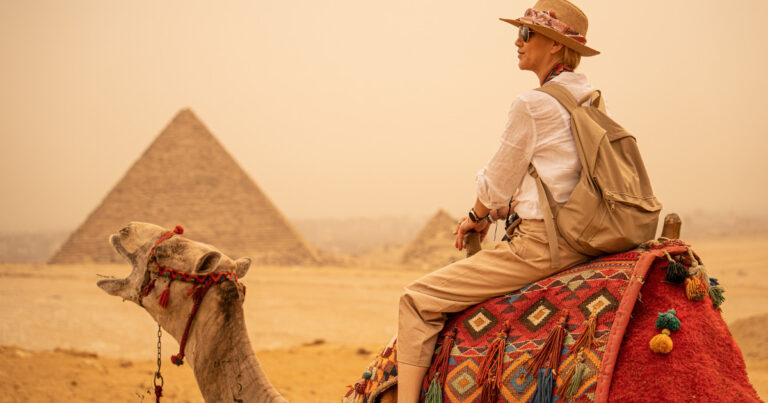
A horse or camel ride across the surrounding desert, with the pyramids as a backdrop, is one of the more memorable add-ons here, but it is also where most Giza-related complaints originate. Agree on the full price, including the return trip, before mounting the animal, ideally through your hotel or a licensed operator rather than someone approaching you directly at the gate. A short ride typically runs 20 to 40 USD, and walking away from an inflated on-the-spot price is a normal, expected part of the negotiation.
The Grand Egyptian Museum (GEM)

Opened to the public on November 1, 2025, the Grand Egyptian Museum is now the flagship reason to visit Cairo. It holds more than 100,000 artifacts, including the complete Tutankhamun collection, over 5,000 pieces, displayed together for the first time anywhere. The building itself is worth the visit alone: its main atrium is aligned so that the Giza pyramids appear framed through the glass, three kilometers away, after you have spent hours surrounded by the objects built to accompany them into the afterlife.
Tickets must be booked online in advance through the official visit-gem.com portal, since on-site ticket sales ended in December 2025. The foreign adult ticket runs approximately $28 to $30 and covers every gallery, with no separate charge for the Tutankhamun rooms. Reduced rates apply for students with valid ID and children, and children under 6 enter free.
Entry is sold in timed two-hour slots throughout the day. The 9am slot offers the calmest galleries and the best light in the Grand Staircase atrium, while coach tour groups tend to arrive between 10:30am and noon. A late afternoon slot, from around 5pm, is the other strong option, especially if it is paired with sunset views of the pyramids from the museum’s rooftop restaurant. Plan on three to four hours for a proper visit, five if you want to read every exhibit label.
The building itself, designed by the Irish architecture firm Heneghan Peng, took over two decades and roughly 1.2 billion USD to complete, financed jointly by Japan and Egypt. Beyond the Tutankhamun galleries, the Grand Staircase alone displays dozens of statues chronicling Egyptian history in ascending chronological order, and the Khufu Solar Boat, a fully reconstructed 4,600-year-old cedar vessel found dismantled beside the Great Pyramid, has its own dedicated hall with natural light designed specifically to complement the wood.
A guided tour adds meaningful context for a museum this large, since the sheer scale can otherwise feel overwhelming without someone highlighting which of the 100,000-plus artifacts are actually worth stopping for. English-speaking Egyptologist guides typically add 40 to 45 USD per person to a standard ticket, and the museum shop and rooftop restaurant are both worth budgeting extra time for, particularly the restaurant’s direct pyramid view at sunset.

The Egyptian Museum, Tahrir Square
Cairo’s original Egyptian Museum, opened in 1902, has not closed despite the GEM’s arrival. Egypt’s Ministry of Tourism and Antiquities confirmed in January 2026 that the Tahrir Square museum will remain open to the public at least until 2030, with a phased renovation planned for 2027 to 2029 rather than a full closure.
The royal mummies hall and the original Tutankhamun death mask both remain here, which makes this a worthwhile add-on for history-focused travelers rather than a redundant stop now that the GEM exists. Tickets run roughly $10 to $15, and the museum’s older, more traditional presentation style is a genuinely interesting contrast to the GEM’s modern design.
Saqqara and Dahshur: Beyond Giza

For travelers with an extra half day, Saqqara and Dahshur sit a short drive south of Giza and see a fraction of the crowds. Saqqara’s Step Pyramid of Djoser, generally considered the world’s oldest large-scale stone structure, predates the Giza pyramids by several decades and is genuinely striking in person, an easier site to appreciate slowly since you are not sharing it with dozens of tour buses.
Dahshur adds the Bent Pyramid and the Red Pyramid, both experimental precursors to the smooth-sided pyramids at Giza, and both usually far quieter still. A combined Saqqara and Dahshur half-day tour typically runs $80 to $120 with a private guide and transport, and pairs naturally with a Giza morning to make a full, well-rounded pyramid-focused day.
What makes Saqqara worth the detour is precisely what Giza has lost to its own popularity: space to actually stand still and look. The Step Pyramid complex includes a partially restored colonnade and courtyard that most tour buses skip entirely, and a handful of smaller tombs nearby, often overlooked, contain some of the best preserved painted wall reliefs from the Old Kingdom, arguably more visually striking up close than anything at Giza itself.
Islamic Cairo and Khan El Khalili Bazaar
Beyond the pyramids, Islamic Cairo’s medieval quarter and the Khan El Khalili bazaar offer a completely different texture: centuries-old mosques, narrow covered lanes, and a market that has operated continuously since the 14th century. It pairs naturally with a GEM or Egyptian Museum day, since the energy here is street-level and social rather than museum-quiet.
Bargaining is expected in Khan El Khalili, and starting at roughly half the initial asking price is a reasonable opening move for most souvenirs. A guided walking tour through the quarter, often combined with a stop at Al-Azhar Mosque, adds useful historical context that is easy to miss wandering independently.
Getting Around Cairo
How do you get around Cairo? Ride-hailing apps like Uber and Careem are the most reliable option for tourists, since fares are fixed in advance and there is no need to negotiate with a driver. Cairo traffic is famously heavy and largely unregulated by Western standards, so budget extra time for any crossing of the city, particularly between downtown and Giza during afternoon rush hour.
The Cairo Metro is inexpensive and genuinely useful for specific routes, particularly between downtown and areas like Maadi, though it does not yet reach the Giza Plateau or the GEM directly. A dedicated metro extension toward Giza is under construction, so it is worth checking current transit maps closer to your travel dates in case that changes.
Most hotels can arrange a private driver for a full or half day, which tends to be the least stressful option for a single-day pyramids and museum combination, since it removes the need to arrange separate transport between each stop. Expect to pay roughly 50 to 80 USD for a full day with an English-speaking driver, before any guide fees.
Cairo Pyramids Guide: How Many Days Do You Need?

How many days should you spend in Cairo? Two full days is the realistic minimum: one for the Giza Plateau and the Grand Egyptian Museum, and a second for either Saqqara and Dahshur or Islamic Cairo and the Egyptian Museum. Three days lets you cover all of it without rushing, which is the better option if Cairo is your only stop rather than a bookend to a Red Sea or Nile trip.
| Trip length | What fits |
|---|---|
| 1 day | Giza Plateau plus GEM only, an early start is essential |
| 2 days | Giza and GEM on day one; Saqqara or Islamic Cairo on day two |
| 3 days | All of the above plus the Egyptian Museum and unhurried pacing throughout |
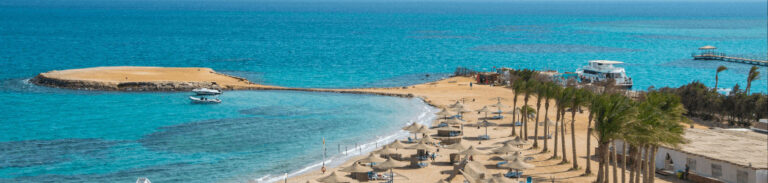
Day Trips from Hurghada, Sharm El Sheikh, or a Nile Cruise
If your trip is centered on the Red Sea coast, a Cairo day trip is possible but demanding. From Hurghada or Sharm El Sheikh, most operators combine a short domestic flight with a full day of touring, typically running 12 or more hours door to door and costing $300 to $400 per person given the flight component. It is a long day, but consistently rated worthwhile by travelers who would not otherwise see the pyramids at all.
A gentler option is treating Cairo as a proper two to three night stop at the start or end of your trip rather than a single exhausting day trip, then flying onward to the coast or a Nile cruise. This avoids the flight-in, flight-out compression and lets the GEM and Giza get the unhurried time they deserve. Whichever pace you choose, this Cairo pyramids guide is built to work as a flexible checklist rather than a rigid itinerary. For more on combining regions, our complete Egypt travel tips guide covers itinerary logistics in more depth.
Whichever version of Cairo you plan, pack for a full day outdoors: comfortable closed-toe shoes for uneven ground at the pyramids and Saqqara, a hat and high-SPF sunscreen since shade is scarce across most sites, and a light scarf for mosque visits in Islamic Cairo, where shoulders and knees should stay covered. A reusable water bottle is worth carrying everywhere, since Cairo’s heat is intense for most of the year and refill points are limited once you are away from resort areas.
Cairo Pyramids Guide: Frequently Asked Questions
How much does it cost to visit the Grand Egyptian Museum?
The foreign adult ticket runs approximately $28 to $30, covering every gallery including the full Tutankhamun collection. Tickets must be booked online in advance since on-site sales have ended.
Can I still visit the old Egyptian Museum in Tahrir Square?
Yes. The Ministry of Tourism and Antiquities confirmed it will stay open at least until 2030, and it still holds the royal mummies hall.
How much does it cost to enter the Pyramids of Giza?
General admission to the plateau runs around $18, with an additional $13 or so for access inside the Great Pyramid itself.
Is it worth going inside the Great Pyramid?
For most travelers, yes, at least once. The narrow, steep interior passage is a genuinely unique experience, though it is not recommended for anyone with claustrophobia or mobility limitations.
How many days do you need in Cairo?
Two full days is the realistic minimum to see the Giza Plateau, the Grand Egyptian Museum, and one additional site like Saqqara or Islamic Cairo without rushing.
Is a Cairo day trip from Hurghada or Sharm El Sheikh worth it?
Yes, though it is a long day, typically 12 or more hours including a domestic flight. It suits travelers who cannot fit a separate Cairo stay but still want to see the pyramids.
What is the best time of day to visit the pyramids?
Right at opening, generally around 8am, offers the coolest temperatures and the fewest tour groups, since coach buses tend to arrive from mid-morning onward.
Are Saqqara and Dahshur worth visiting alongside Giza?
Yes, especially for travelers with an extra half day. Both see far fewer visitors than Giza and include the Step Pyramid, generally considered the world’s oldest large stone structure.
Keep Planning Your Trip
More from this Cairo pyramids guide’s companion Egypt travel guides: