
Last Updated: July 2026
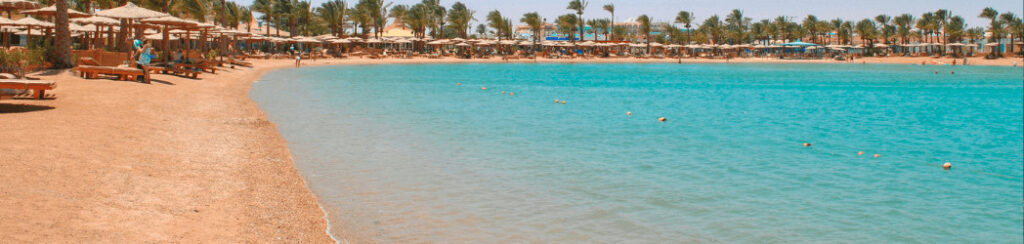
The Coptic Quarter in Old Cairo, one of the quieter corners we kept coming back to.
What are the most important Egypt travel tips before you go? The short answer: visit between October and April, book a licensed guide for the Pyramids and Nile sites, dress modestly at religious sites, drink only bottled water, and budget around 80 to 150 USD per day for a comfortable mid-range trip outside your hotel package. The rest of this guide walks through exactly how to plan for it, month by month, dollar by dollar, and mistake by mistake, based on what actually happened when we went.
Egypt was never a casual add-on for us. It sat on the list for years, half research trip and half fairy tale, and by the time we landed in Cairo we had read enough forum threads and outdated blog posts to know that most “top tips” articles repeat the same five lines without ever answering the questions that matter on the ground.
Is it actually safe for a woman traveling with her partner? How do you avoid getting overcharged for everything from taxis to tissues? What do you wish someone had told you before day one? These proven Egypt travel tips answer those questions directly, with the kind of detail we needed and could not always find.
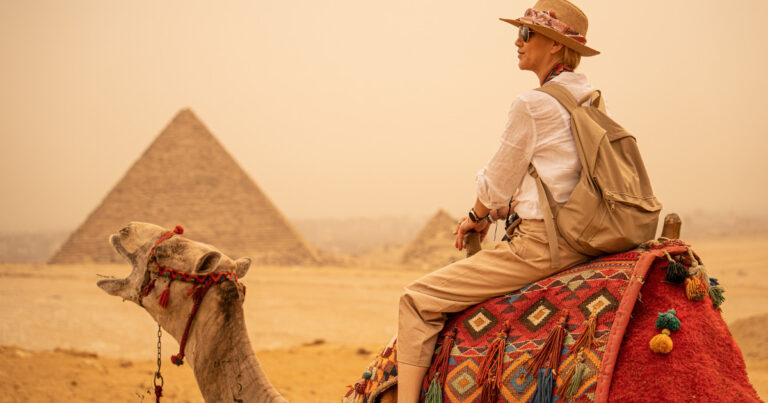
Egypt rewards the traveler who plans around the heat and slows down for the details.
Expert Summary
Egypt rewards travelers who plan around two things: heat and timing. October to April is best for Cairo, Luxor, and Aswan, while the Red Sea coast stays swimmable year round. Budget 80 to 150 USD per day for a comfortable mid-range trip outside flights and hotel. The U.S. State Department rates Egypt Level 2, Exercise Increased Caution, the same baseline as much of Western Europe, and the main tourist corridor from Cairo to the Red Sea sits comfortably within that. Give yourself 7 to 10 days to combine the pyramids, a Nile Valley cruise, and a few unhurried beach days.
Jump to Section
Egypt at a Glance
| Category | Details |
|---|---|
| Best time to visit | October to April for Cairo, Luxor, Aswan; year-round for the Red Sea coast |
| Currency | Egyptian Pound (EGP), cash preferred outside hotels |
| Language | Arabic, English widely spoken in tourist areas |
| Visa | Visa on arrival or e-Visa for most Western passport holders |
| Average daily budget | 80 to 150 USD mid-range, per person, excluding flights and hotel |
| Flight time from US East Coast | Around 11 to 13 hours, usually with one connection |
| Safety status | Level 2, Exercise Increased Caution, per the U.S. State Department |
| Ideal trip length | 7 to 10 days for Cairo, Nile, and Red Sea combined |
Egypt Travel Tips: Best Time to Visit
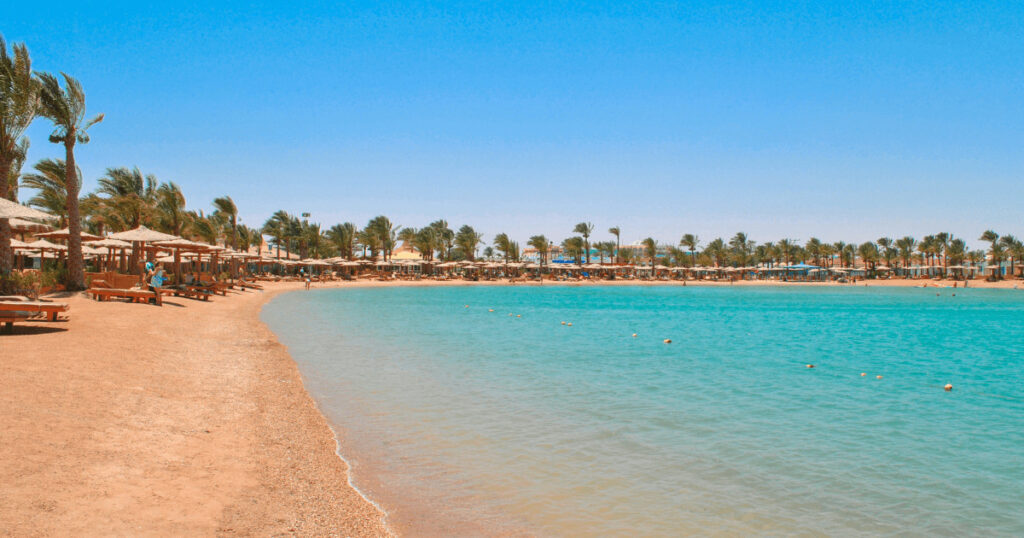
When is the best time to visit Egypt? The best time to visit Egypt for sightseeing is between October and April, when daytime temperatures sit in the comfortable 20 to 28°C range for Cairo, Luxor, and Aswan. If your trip is beach first, the Red Sea coast around Hurghada and Sharm El Sheikh stays warm enough to swim in every month of the year.
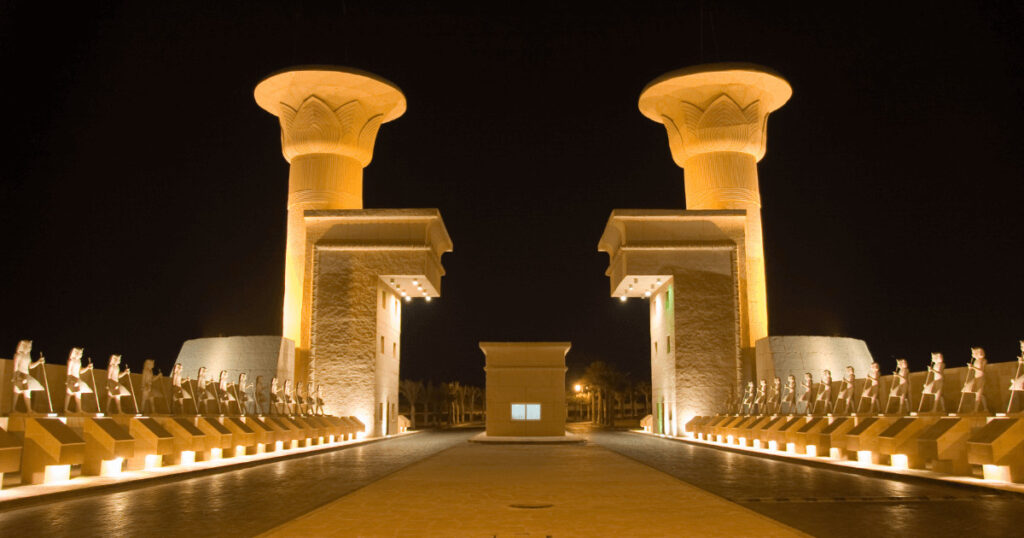
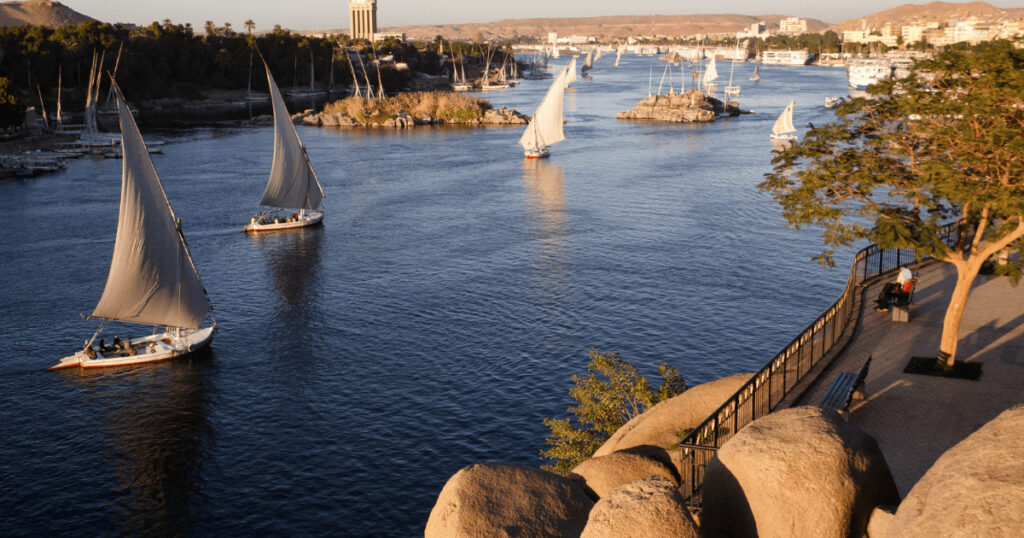
Golden hour light over the Nile, one of the reasons a winter trip is worth planning around.
Summer, from May through September, is a different trip entirely. Cairo and Luxor regularly climb past 38°C, and the heat is dry enough that it can sneak up on you if you are not drinking water constantly. We would only recommend a summer visit if you are beach focused and plan your Nile Valley days for early morning only.
| Region | Best months | What to expect |
|---|---|---|
| Cairo and Giza | October to April | Mild days, cool evenings, comfortable for walking |
| Luxor and Aswan | November to February | Ideal for Nile cruises, minimal humidity |
| Red Sea coast (Hurghada, Sharm El Sheikh) | Year round, peak March to May and September to November | Warm water, less extreme heat in shoulder months |
| Western Desert and Siwa | October to March | Summer heat here is intense and best avoided |
Cooler winter mornings in Luxor, when the temple courtyards are still quiet.
One more factor that most Egypt travel tips articles skip: Ramadan and Eid shift every year and can affect opening hours at temples and museums, along with restaurant availability during daylight hours. Check the dates against your travel window before booking, since visiting just outside these periods often means smaller crowds and better hotel rates.
Egypt Travel Tips: Safety and Health Guidelines
Is Egypt safe for tourists in 2026? Yes, for the tourist corridors most travelers actually visit. The U.S. State Department currently rates Egypt at Level 2, Exercise Increased Caution, the same baseline rating that applies to much of Western Europe. Cairo, the Giza Plateau, the Luxor to Aswan Nile corridor, Hurghada, and Sharm El Sheikh all fall within normal tourist security measures, with a visible Tourism Police presence at major sites.
Tourism Police stationed near the temple entrances in Luxor, a common and reassuring sight.
The most common issues we actually encountered were not dramatic. Overcharging in tourist markets, persistent vendors near major sites, and the occasional unwanted comment on the street toward women traveling alone. None of it felt dangerous, but it does mean you should walk in with a plan.
- Dress modestly at religious sites. Cover shoulders and knees at mosques, churches, and temples. A lightweight scarf in your bag solves this instantly.
- Keep valuables secure in crowded markets. A crossbody bag with a zipper works better than an open tote in Khan El Khalili or similar souks.
- Use licensed transportation. Ride-hailing apps like Uber and Careem are widely available in Cairo and generally safer and cheaper than flagging a taxi.
- Stick to bottled water. Avoid ice in drinks outside your hotel, and be cautious with raw salads from street vendors early in your trip.
- Register your trip. The State Department’s Smart Traveler Enrollment Program (STEP) sends real-time alerts and makes it easier for the embassy to reach you if something changes.

A quiet street in Aswan, the kind of neighborhood where walking with a plan, not fear, is the right mindset.
Is Egypt safe for women and solo travelers?
Solo female travelers visit Egypt every day, and the resort areas and organized tour circuit are set up for it. That said, street harassment in the form of comments and stares is a real and commonly reported experience, particularly in Cairo. Booking a reputable guide for your first few days, dressing modestly outside resort grounds, and avoiding walking alone late at night in unfamiliar neighborhoods all make a noticeable difference.
Is Egypt safe for couples?
For couples, Egypt is one of the more straightforward Middle Eastern destinations to navigate. Public displays of affection should stay minimal and low-key, holding hands is generally fine, but anything beyond that is best saved for your hotel or resort.
Planning Your Egypt Travel Itinerary
How should you structure an Egypt itinerary? Most first-time visitors build their trip around three anchors: Cairo for the pyramids and museums, Luxor and Aswan for the Nile Valley temples, and a Red Sea stretch for the beach. Trying to fit all three into under a week usually means too many early flights and not enough time to actually enjoy any of it.
Sunset over the Nile near Aswan, best appreciated when your itinerary leaves room to simply sit and watch it.
| Itinerary style | Length | Best for |
|---|---|---|
| Classic Cairo and Nile | 5 to 6 days | History focused first-time visitors, Nile cruise included |
| Red Sea beach escape | 5 to 7 days | Couples and honeymooners wanting sun, diving, and relaxation |
| Full combination trip | 9 to 12 days | Travelers who want both ancient sites and beach downtime without rushing |
If we were planning it again, we would give Cairo two to three days, add a four night Nile cruise between Luxor and Aswan, and close the trip with three or four days on the Red Sea coast to actually unwind. Trying to see everything in under a week is the single fastest way to end an Egypt trip more exhausted than inspired.
Egypt Travel Tips: Transportation and Getting Around
What is the best way to get around Egypt? Domestic flights are the fastest way to move between Cairo, Luxor, and Aswan if your trip is under two weeks, while overnight trains and Nile cruises offer a slower, more scenic alternative for travelers with extra time.
A felucca gliding along the Nile near Aswan, half transport and half experience.
Inside Cairo, traffic is heavy and lane markings are more of a suggestion than a rule. Ride-hailing apps take the guesswork out of pricing and are our default recommendation over street taxis. For longer distances between Hurghada and other Red Sea towns, licensed bus companies run reliable, air-conditioned routes. Renting a self-drive car is possible but only worth it if you are already comfortable with assertive city driving.
Top Accommodation Tips for Egypt Travelers
Where should you stay in Egypt? Base yourself near Giza if the pyramids are your priority, choose a Nile-view hotel or cruise ship for Luxor and Aswan, and pick an all-inclusive resort on the Red Sea coast if beach time and diving are the goal.
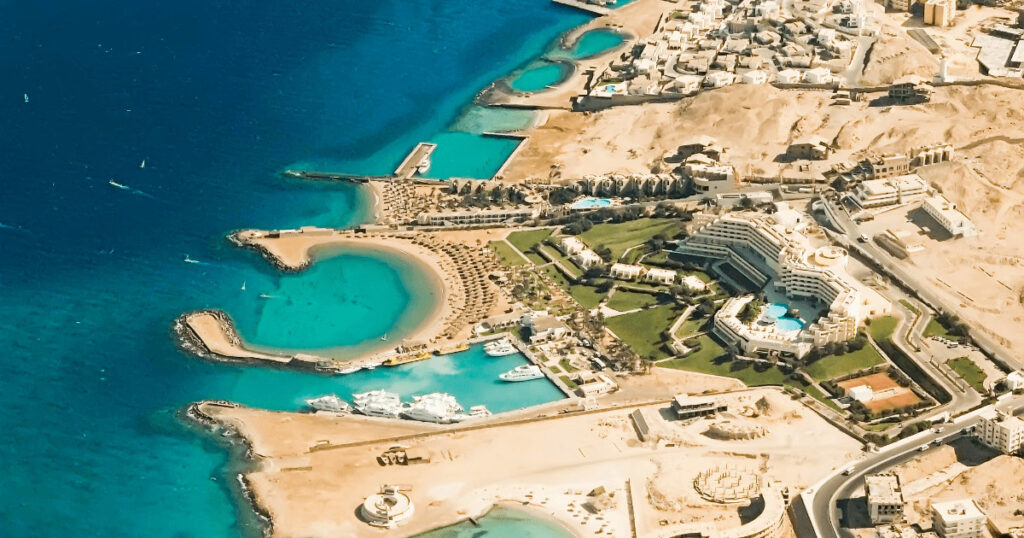
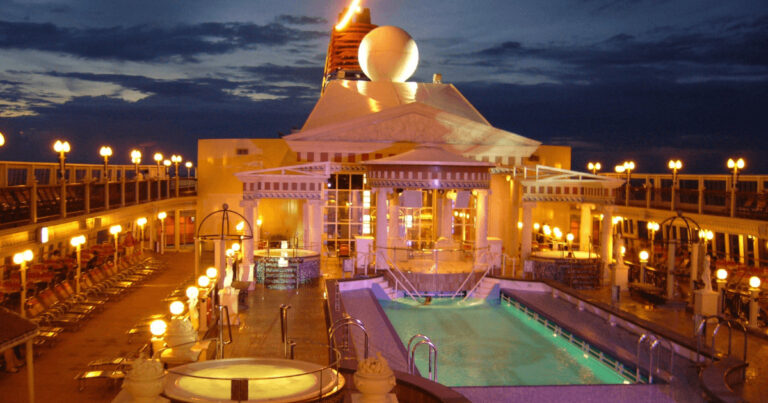
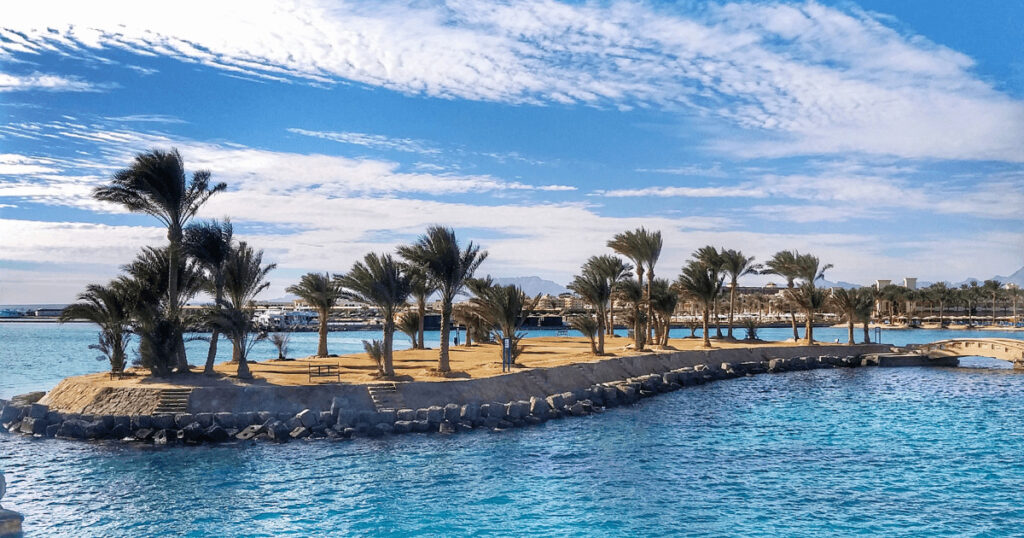
A quiet resort pool overlooking the Red Sea in Hurghada, worth building at least three unhurried days around.
Cairo hotels range from international chains near Tahrir Square to boutique riads tucked into quieter side streets. For sightseeing efficiency, staying near Giza saves you the daily crossing through Cairo traffic. In Luxor and Aswan, a Nile cruise doubles as both your hotel and your transport, which is part of why it remains one of the most popular ways to see the region.
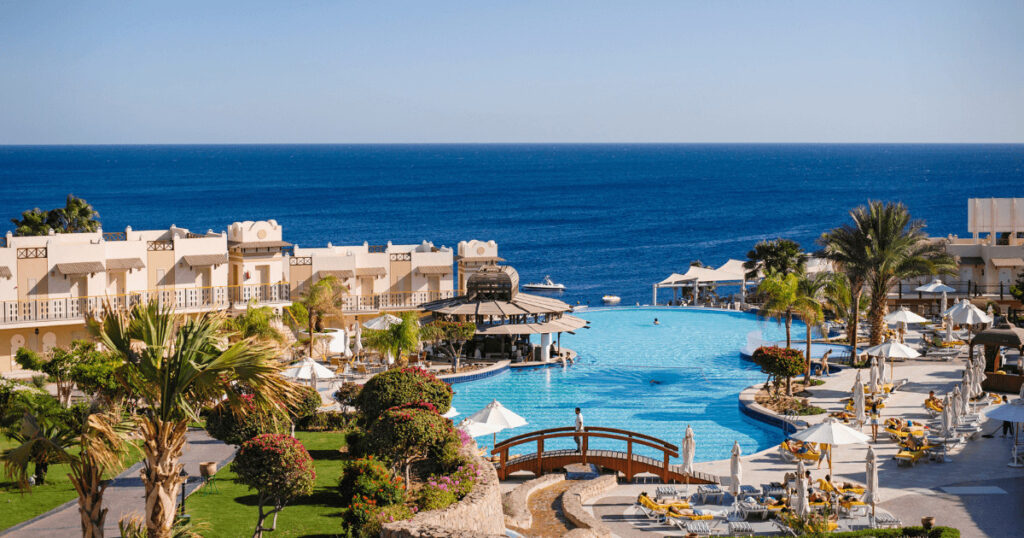
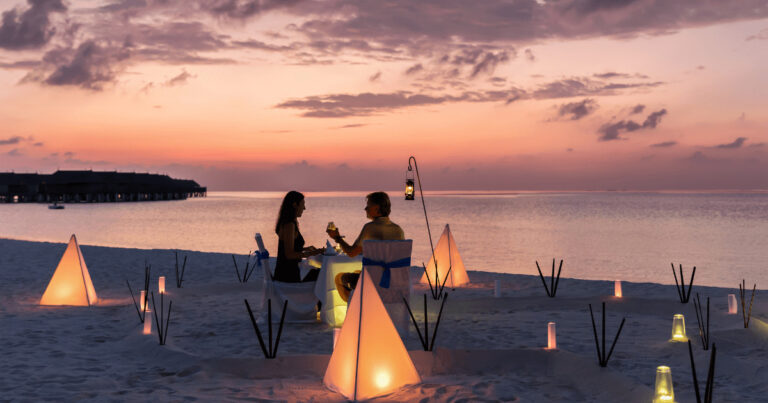
Sharm El Sheikh at dusk, one of the most romantic bases on the Red Sea coast.
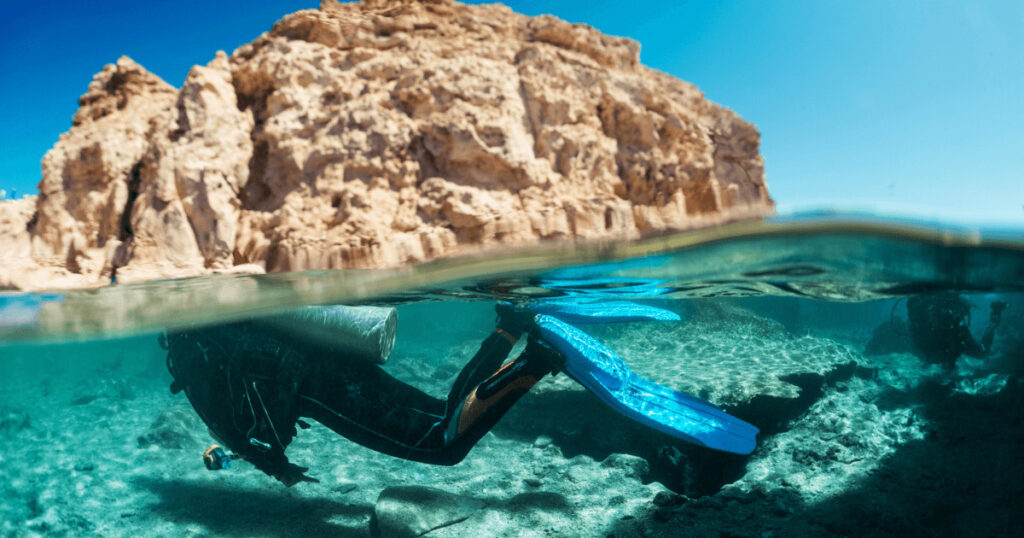
If you are choosing a Red Sea resort, look specifically for direct house-reef access if snorkeling and diving matter to you, since not every beachfront property has coral close enough to swim to. For a deeper dive into specific properties, our guide to Egypt’s best luxury hotels and our Egypt honeymoon resort roundup break down exactly which resorts suit which travel style.
Egypt Travel Tips: Must-Try Food and Drinks
What food should you try in Egypt? Start with koshari, Egypt’s national dish, then work through ful medames for breakfast, ta’ameya as the local take on falafel, and hibiscus tea, known locally as karkade, as your go-to drink.
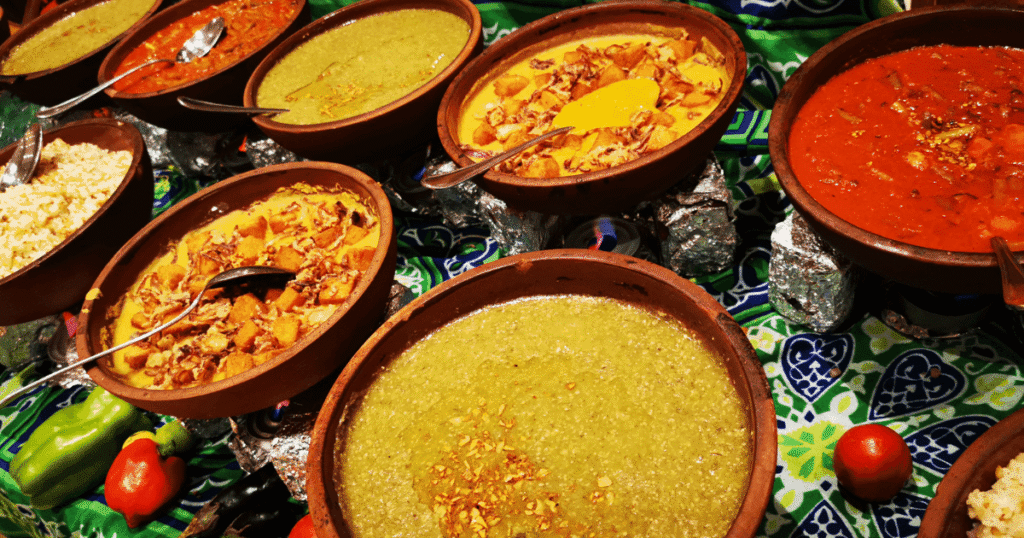
A cooking class outside Cairo, one of the more memorable afternoons of the entire trip.
- Koshari: a layered mix of rice, lentils, pasta, and crispy fried onions, topped with a spiced tomato sauce. We found the best version at a small street stall in downtown Cairo, and it remains one of our favorite meals from the whole trip.
- Ful medames: slow-cooked fava beans with olive oil and herbs, the classic Egyptian breakfast.
- Ta’ameya: Egypt’s version of falafel, made with fava beans instead of chickpeas, crisp outside and soft inside.
- Shawarma and hawawshi: both widely available and reliable options for a quick lunch while sightseeing.
- Karkade and sugarcane juice: the two drinks you will see sold everywhere, hot or cold depending on the season.
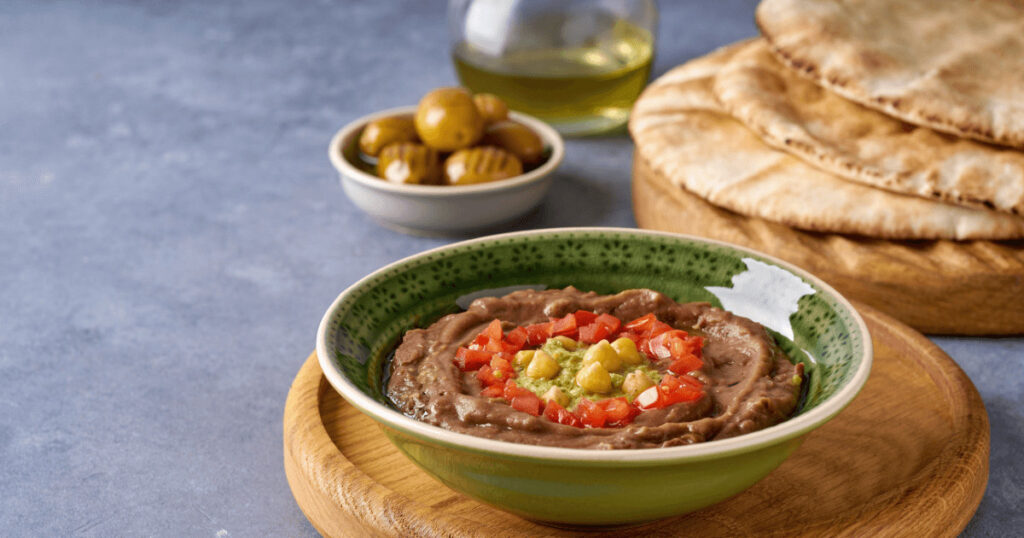
Ful medames with warm bread, a simple breakfast that we ended up craving long after coming home.
For food and water safety specifics, the CDC’s Egypt travel health page is the most reliable source, and it is worth a quick read before your trip regardless of how careful you plan to be.
Egypt Cultural Etiquette and Local Customs
What should you know about Egyptian etiquette before visiting? Dress modestly at religious sites, greet with a handshake only once it is offered, avoid public displays of affection, and always ask before photographing people.
A quiet courtyard in Islamic Cairo, the kind of spot where a respectful, low-key approach goes a long way.
A few basic Arabic phrases go further than you would expect. Salaam for hello and shukran for thank you tend to earn genuine smiles rather than the transactional tourist treatment. When dining traditionally, eating with your right hand is customary, and in markets, polite bargaining is expected rather than rude, so treat it as part of the experience instead of something to avoid.
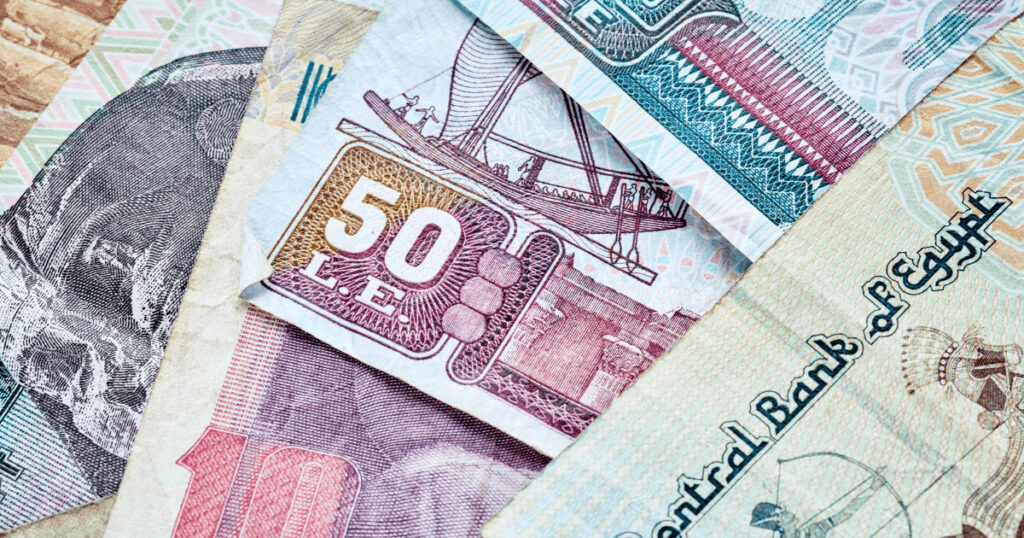
Tipping, locally called baksheesh, is woven into daily life, from bathroom attendants to guides to hotel staff. Carry small EGP notes throughout the day so you are never caught without change.
What to Pack for Egypt
What should you pack for a trip to Egypt? Focus on lightweight, modest clothing, sun protection, and a few practical items that solve problems you will not think about until you are standing in 35°C heat outside a temple with no shade in sight.
- Lightweight, breathable clothing that covers shoulders and knees
- A packable scarf or shawl for temples and mosques
- Comfortable, closed-toe walking shoes
- Wide-brim hat and high SPF sunscreen
- Refillable water bottle
- Portable phone charger for long sightseeing days
- Light jacket for cooler desert evenings
- Basic first aid and rehydration sachets
- A universal power adapter (Type C and F in Egypt)
- Modest swimwear plus a cover-up for resort pools
Hidden Gems and Insider Experiences in Egypt
What are Egypt’s best hidden gems? Beyond the pyramids and the standard Nile stops, Abydos temple, the Coptic Quarter in Old Cairo, and the Red Sea towns of Marsa Alam and Dahab all offer a quieter, more local version of an Egypt trip.
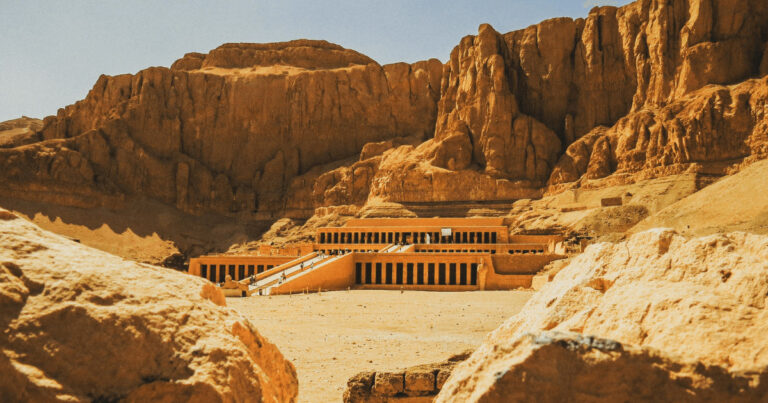
Abydos temple on a quiet afternoon, worth the detour if Luxor’s crowds start to wear on you.
Abydos sits far enough off the main tourist route that you can walk through genuinely impressive temple ruins without the crowds that build up around Luxor and Giza by mid-morning. In Cairo, the Coptic Quarter’s narrow streets and centuries-old churches offer a completely different pace than the city center.

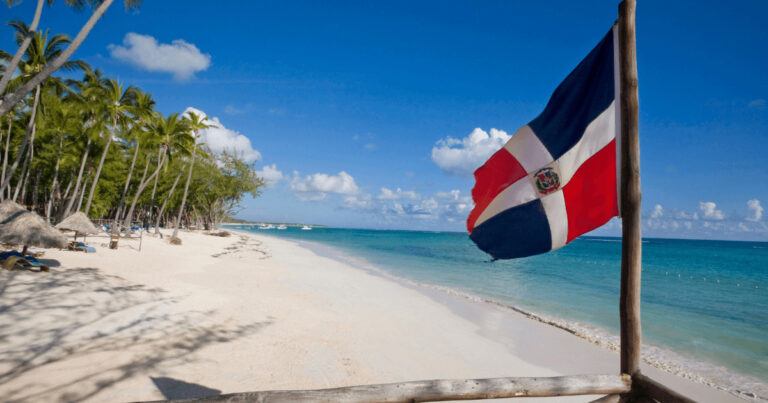
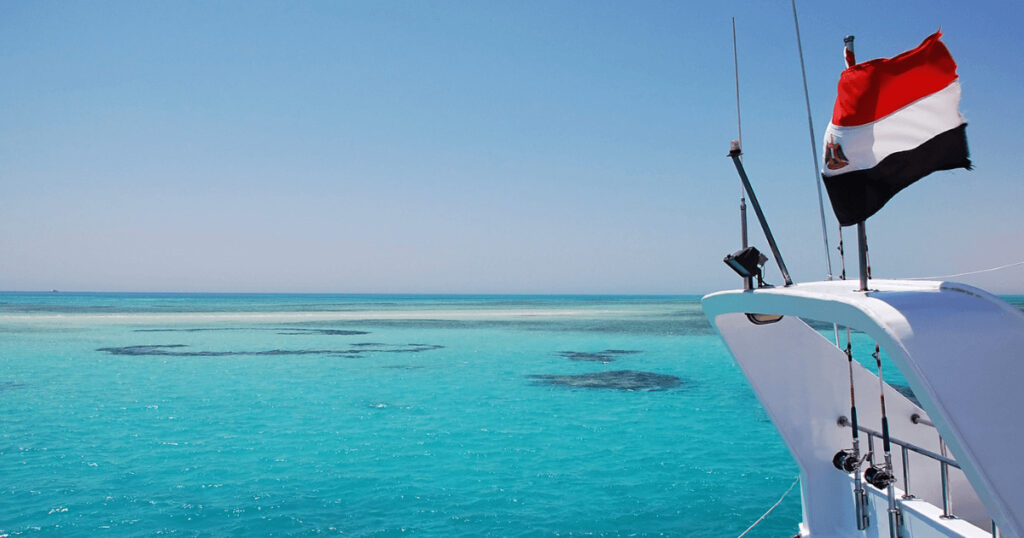
Marsa Alam’s coastline, quieter and less developed than Hurghada, but just as striking underwater.
On the coast, Marsa Alam and Dahab trade some of Hurghada’s infrastructure for calmer beaches and, in Dahab’s case, some of the best shore diving on the entire Red Sea. A local cooking class or a small-group felucca sunset sail on the Nile rounds out the kind of trip that feels personal rather than packaged.
Egypt Travel Mistakes to Avoid
- Packing too much into too few days. Cairo, the Nile Valley, and the Red Sea each deserve their own time, not a rushed 24-hour stopover.
- Not agreeing on taxi fares in advance. Always confirm the price or use a ride-hailing app to avoid a bargaining standoff after the ride.
- Underestimating the summer heat. If you are visiting between June and August, plan Nile Valley sightseeing for early morning only.
- Skipping travel insurance. Medical evacuation coverage is genuinely worth having given how limited emergency care can be outside major cities.
- Ignoring the dress code at religious sites. Being turned away at a mosque or temple entrance is an easy problem to avoid with one scarf in your day bag.
Egypt Travel Tips: Frequently Asked Questions
Is Egypt safe to visit in 2026?
Yes, for the main tourist areas. The U.S. State Department rates Egypt at Level 2, Exercise Increased Caution, the same rating given to many popular European destinations. Cairo, Luxor, Aswan, Hurghada, and Sharm El Sheikh all operate under standard tourist security measures.
What is the best time of year to visit Egypt?
October to April is best for sightseeing in Cairo, Luxor, and Aswan, with comfortable daytime temperatures. The Red Sea coast stays warm enough to enjoy year round, with peak conditions in spring and autumn.
Do I need a visa to visit Egypt?
Most Western passport holders can obtain a visa on arrival or apply for an e-Visa online before departure. Requirements can change, so check the current entry rules with the Egyptian consulate or your airline before you fly.
How many days do you need in Egypt?
Seven to ten days lets you comfortably combine Cairo, a Nile Valley cruise between Luxor and Aswan, and a few days on the Red Sea coast. Five days is workable if you focus on just Cairo and the Nile, or just the beach.
Is Egypt safe for solo female travelers?
Solo women travel to Egypt regularly, and the tourist infrastructure supports it well. Street harassment in the form of comments is a commonly reported experience, so dressing modestly, booking a reputable guide for your first days, and avoiding walking alone late at night are worthwhile precautions.
What should you not wear in Egypt?
Avoid sleeveless tops, shorts, and low necklines at religious sites and in more conservative areas outside resort grounds. Loose, breathable clothing that covers shoulders and knees works best, and swimwear should stay within resort or beach areas.
Is the water safe to drink in Egypt?
Tap water is not recommended for travelers. Stick to sealed bottled water, avoid ice outside your hotel, and be selective with raw produce early in your trip while your system adjusts.
How much does a trip to Egypt cost per day?
Plan for roughly 80 to 150 USD per person per day for a mid-range trip, covering meals, local transport, entrance fees, and tours, on top of your flights and accommodation.
Final Thoughts on These Egypt Travel Tips
Egypt rewards travelers who slow down enough to actually look. The pyramids and the temples deserve every bit of their reputation, but the quieter moments, a felucca drifting past at sunset, a plate of koshari from a stall with no sign, a scarf pulled on before stepping into a centuries-old mosque, tend to be what stays with you longest. Of all the Egypt travel tips in this guide, the simplest one matters most: plan around the heat, respect the customs, and leave enough room in your itinerary to be surprised.
Keep Planning Your Trip
More from our Egypt and beach travel guides: