
Last Updated: July 2026
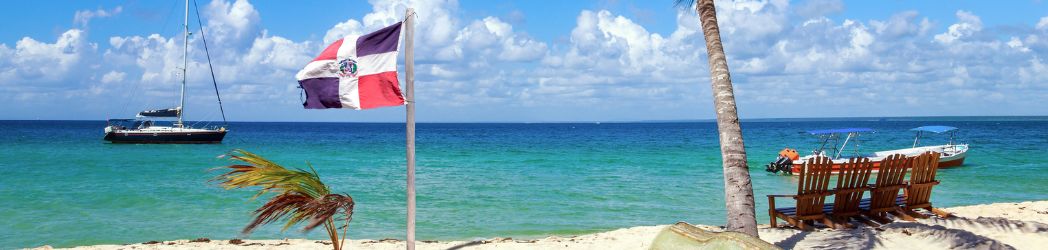
Expert Summary: Is Dominican Republic Safe?
Focus keyword: is Dominican Republic safe
- The Dominican Republic sits at Level 2, Exercise Increased Caution, on the US State Department scale, the same tier as France, Italy, and Jamaica.
- Resort zones in Punta Cana, Bayahibe, and Puerto Plata are heavily patrolled and see millions of trouble free visits every year.
- The real risk is uneven: it rises outside tourist corridors, after dark, and around unlicensed transport and street ATMs.
- Solo female travelers and couples can visit safely with standard precautions, though open affection between same sex couples is best kept low key outside resorts.
- Traffic accidents, not violent crime, are statistically the most common cause of serious tourist injury on the island.
Table of Contents
Quick Answer: Is Dominican Republic Safe Right Now
Yes, the Dominican Republic is safe for the vast majority of tourists in 2026, provided they stay inside well known tourist areas, use vetted transport, and stay alert after dark. Anyone asking “is Dominican Republic safe” is really asking two things at once: is the country generally stable, and is my specific trip likely to go smoothly. The short answer to both is yes, with normal precautions.
The US State Department currently rates the country at Level 2, Exercise Increased Caution, the same rating given to Italy and France. This means most visits proceed without incident, but travelers should not treat the island as risk free.
The gap between resort safety and everyday street safety is real. A week inside a gated Punta Cana resort looks nothing like a night walk through an unfamiliar Santo Domingo neighborhood. Millions of Americans fly to Punta Cana, La Romana, and Puerto Plata every year specifically because those corridors are heavily policed, resort staffed, and built around tourist safety. So is the Dominican Republic safe? For the typical resort based traveler, yes. The honest answer is not “avoid the Dominican Republic,” it is “know which version of the Dominican Republic you are actually visiting.”
The current Level 2 advisory was reissued in June 2026 following the State Department’s most recent periodic review, and its wording carries only minor changes from the year before. That matters: this is not a country that has suddenly become more dangerous, it is a country with a stable, well understood risk profile that simply needs to be respected rather than ignored.
It helps to separate two different questions that often get blended together online: “is the Dominican Republic dangerous” and “is my specific trip at risk.” For a couple staying at a gated Punta Cana resort, taking pre booked excursions, and using hotel arranged transport, the practical risk is low and closer to what you would expect on a well run Caribbean cruise stop.
For a backpacker planning to move between cities on public transport, wander unfamiliar neighborhoods after dark, or rent a car for solo night driving, the risk profile changes considerably. Neither traveler is wrong to visit. They simply need different levels of preparation, and both can register their trip with the free Smart Traveler Enrollment Program (STEP) for real time alerts.
For context on where to base yourself before worrying about safety, our Where to Stay in Dominican Republic guide breaks down which regions suit first timers, couples, and families.
Safety by Region: Punta Cana, Samaná, Santo Domingo, Bayahibe
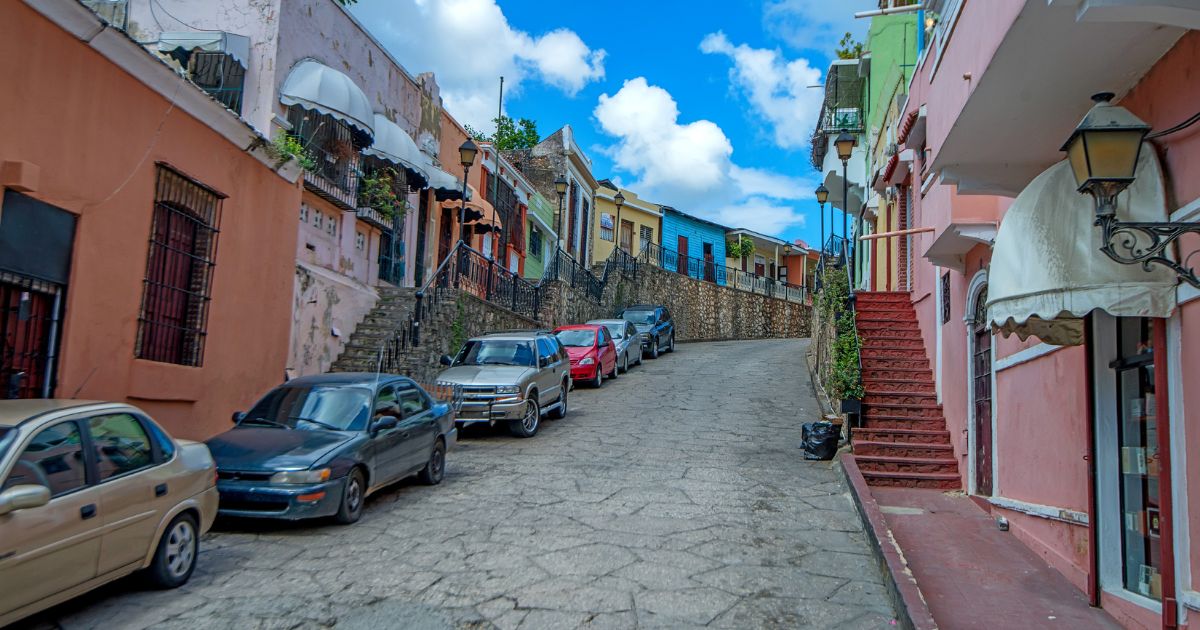
Whether the Dominican Republic is safe depends heavily on which part of the country you mean. Safety is not one number for the whole island, it varies by how developed and how resort dense each area is. Punta Cana and Bayahibe, built almost entirely around all inclusive tourism, carry the lowest practical risk. Santo Domingo, as the country’s largest city, carries the widest range of experiences, from the safe, well lit Zona Colonial to neighborhoods tourists have no reason to visit. Samaná sits somewhere in between: low crime, but more isolated roads and fewer streetlights once you leave the town center.
| Region | Overall Safety Level | Nighttime Safety | Solo Female Friendliness | Main Risk |
|---|---|---|---|---|
| Punta Cana | High inside resort zones | Good on resort grounds, use official transport off site | Good, resort staffed and well lit | Airport and street taxi scams, timeshare pressure |
| Bayahibe | High | Good, small and tourist centered | Good | Unlicensed boat operators for island tours |
| Samaná | Good, more rural | Caution on unlit rural roads | Good, but fewer people around after dark | Isolated roads at night, limited emergency response time |
| Santo Domingo | Moderate, varies sharply by neighborhood | Caution required outside Zona Colonial | Fair, stick to well known areas | Snatch and grab theft, pickpocketing in crowded areas |
Puerto Plata and La Romana, while not in the table above, follow a similar pattern to Punta Cana and Bayahibe: safe and comfortable within the resort corridor, with more caution warranted the further you move from it.
As a general rule, the safety of any given town in the Dominican Republic tracks fairly closely with how resort dependent its economy is. Areas built almost entirely around tourism have a direct financial incentive to keep visitors safe and visibly protected. Areas with little tourist infrastructure simply were not designed with visitor safety systems in mind, which is different from being inherently dangerous, but does mean tourists stand out more. Independent security assessments from the Overseas Security Advisory Council reach a similar conclusion: risk in the Dominican Republic is concentrated by location rather than spread evenly across the country.
Curious which of these regions fits your trip best? Our Places to Visit in Dominican Republic guide and Hidden Gems Dominican Republic guide go deeper into what each area actually feels like on the ground, beyond the safety numbers.
Is DR Safe for Women and Solo Travelers
Yes, the Dominican Republic is generally safe for women and solo travelers who follow the same precautions they would use in any large, tourist heavy country. Solo women travel Punta Cana, Samaná, and Bayahibe every week without incident, and resort staff are used to hosting solo guests. Asked directly whether the Dominican Republic is safe for a woman traveling alone, the honest answer is yes for the resort corridors, with more caution warranted the further you go off the beaten path.
The country is culturally warm and hospitality driven, and unwanted attention tends to be more about persistent street vendors and taxi touts than anything dangerous. That said, catcalling and comments on the street are more common here than in many US cities, and solo women should expect it rather than be caught off guard by it.
The practical rules that matter most for solo travelers are the same ones that matter for safety generally: arrange airport transfers in advance rather than negotiating with strangers at arrivals, use Uber or a hotel dispatched taxi instead of hailing one on the street, and avoid walking alone on unlit streets or beaches after dark, even in resort towns. Solo travelers should also tell someone, whether that is a hotel front desk or a friend back home, when they plan to be off resort for an extended excursion. None of this is unique to the Dominican Republic. It is the same baseline caution recommended for solo travel almost anywhere outside a traveler’s home country.
Is DR Safe for Couples
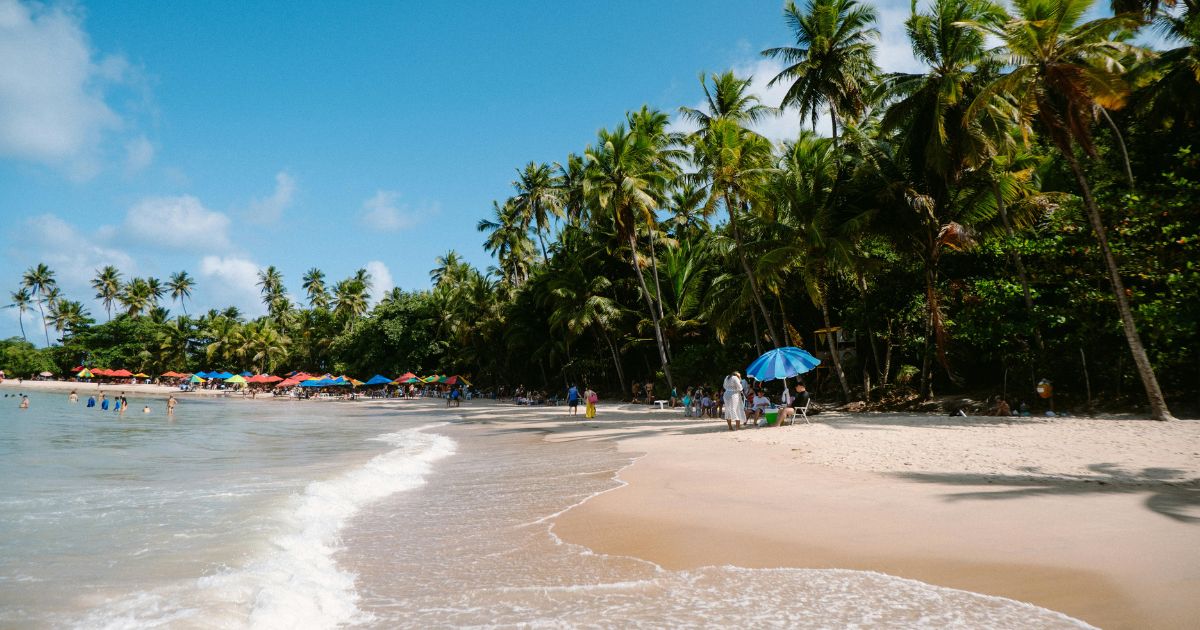
Yes, couples are one of the safest traveler categories in the Dominican Republic, and the country’s tourism infrastructure, from adults only resorts to private excursions, is largely built around them. The main safety consideration for couples has less to do with crime and more to do with cultural context.
The Dominican Republic is a conservative, religious country, and while opposite sex couples can be affectionate almost anywhere without issue, same sex couples may draw stares or unwanted comments if they show affection outside a resort setting. Inside international resorts in Punta Cana and similar zones, the atmosphere tends to be considerably more open, and staff are accustomed to hosting LGBTQ+ couples. Outside that bubble, in downtown Santo Domingo or rural towns, a lower profile is the more comfortable choice for most couples.
Practical couple specific precautions are mostly common sense: split cash and cards between both partners rather than carrying everything in one bag, agree on a check in plan if you separate for any activities, and treat resort excursions booked through your hotel as the safest way to explore beyond the property, since they come with vetted drivers and guides rather than whoever happens to be waiting outside the gate.
For honeymooners specifically, the calculation is largely the same as for any couple, with the added benefit that most honeymoon focused resorts carry extra security and privacy measures. If you are planning a trip built around romance rather than exploration, our Dominican Republic Honeymoon guide covers which resorts and regions suit couples best, and our Best Time to Visit the Dominican Republic guide can help you avoid hurricane season without sacrificing good weather.
Practical Safety Tips
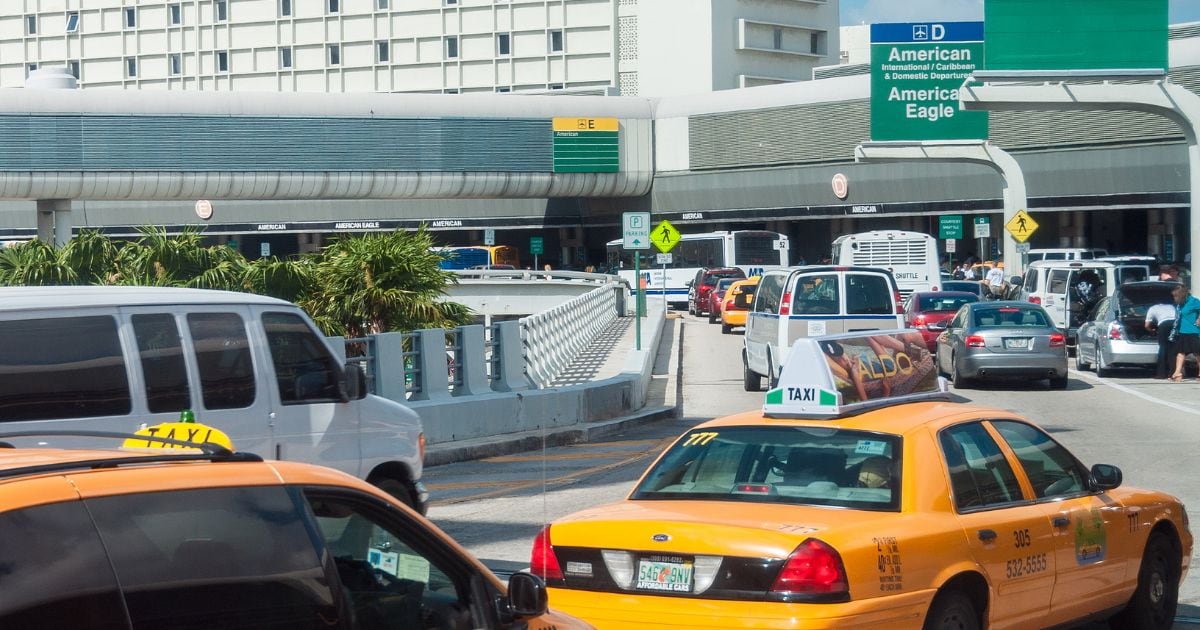
The Dominican Republic is safe when travelers follow a few consistent habits. These practical safety tips cover the situations that most commonly cause problems for tourists:
- Never drink tap water. Stick to bottled water for drinking and brushing teeth, even inside luxury resorts. Ice at reputable hotels is generally made from purified water, but it is worth confirming at smaller local restaurants. The CDC’s Dominican Republic travel health page has current guidance on food and water precautions.
- Avoid standalone street ATMs. Card skimming is a documented issue in the Dominican Republic. Only use ATMs located inside a bank branch or your hotel lobby, and notify your bank before you travel so a foreign transaction does not get flagged and frozen.
- Book airport transfers and tours in advance. Arranging transport before you land removes the biggest opportunity for arrival scams and inflated pricing.
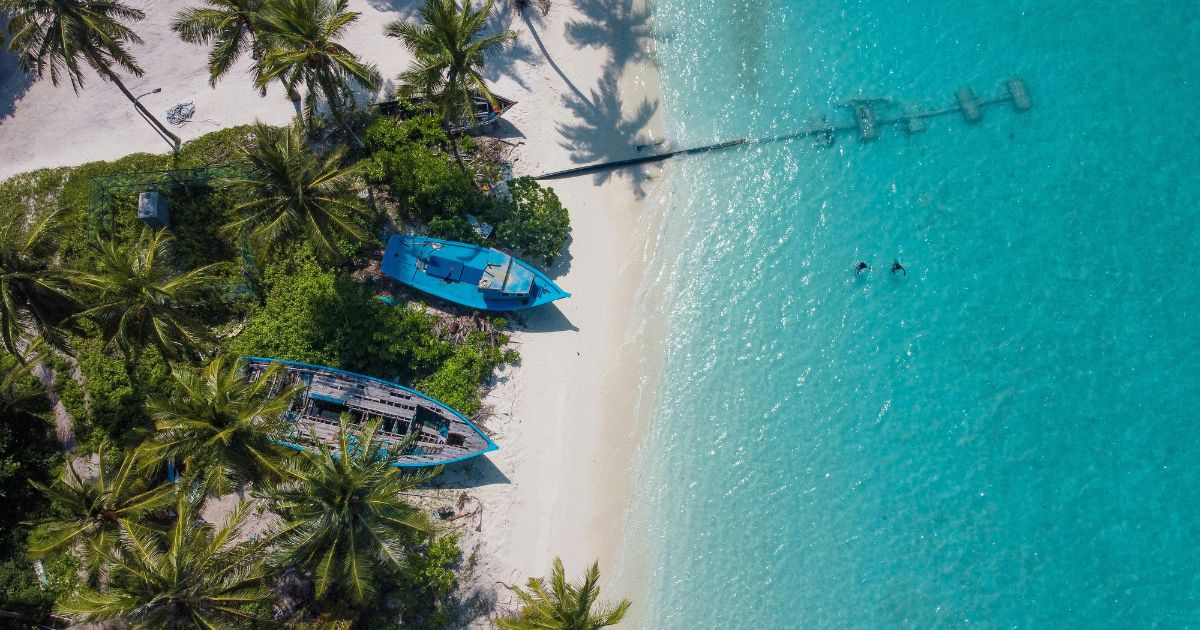
- Use Uber or hotel dispatched taxis. Street hailed taxis are more likely to overcharge or take unnecessary detours, particularly around Santo Domingo and Punta Cana’s airport corridor.
- Complete the official eTicket before you fly. The Dominican Republic requires a digital entry and exit form for every traveler, completed online in advance through the official government eTicket portal before arrival and departure.
- Keep valuables out of sight. Leave flashy jewelry and expensive watches at home or in the resort safe. Motorbike based snatch and grab theft targets visible phones and bags, especially in Santo Domingo.
- Drive only in daylight if you rent a car. Rural roads, particularly around Samaná, are poorly lit and shared with stray animals and pedestrians after dark.
- Get travel insurance with medical evacuation coverage. Given the distance from US hospitals and the popularity of remote excursions, insurance that covers emergency medical transport is worth the cost.
- Register your trip with the State Department’s STEP program. It is free and sends real time safety alerts specific to the Dominican Republic during your stay.
- Be alcohol smart. Pace your drinking, particularly at all inclusive resorts where alcohol is unlimited, and never accept an open drink from someone you do not know.
- Save the local emergency numbers before you land. Dial 911 for any emergency, or contact the dedicated tourist police line (POLITUR) for issues specific to visitors. Keep the number for the nearest US Embassy contact point handy as a backup.
- Pack a basic travel health kit. Include DEET based repellent, since mosquito borne illness remains a low level but real consideration outside heavily sprayed resort grounds, along with any personal medications in their original packaging.
What to Avoid in the Dominican Republic

Most safety issues in the Dominican Republic trace back to a handful of avoidable situations rather than random bad luck. Avoid walking alone on beaches or side streets after dark, even in resort towns where the main strip feels safe but a quiet stretch of sand two minutes away is unlit and unmonitored.
Avoid unlicensed taxis and unofficial tour operators who approach you directly at the airport or on the street, since legitimate operators are booked through your hotel or a verified platform. Avoid exchanging money with street vendors instead of a bank or official exchange counter, and avoid carrying your passport around daily when a photocopy or digital scan will do for most situations.
Skip isolated stretches of coastline outside the main tourist beaches unless you are on a vetted excursion, and be cautious about the so called eTicket scam, where fraudulent websites mimic the country’s official entry form and charge travelers a fee for something that should be free through the government portal.
Finally, avoid engaging with anyone offering unusually cheap tours, currency exchange, or “special deals” that require cash upfront with no paperwork. If a price or an offer feels engineered to rush your decision, it usually is.
It is also worth avoiding the trap of comparing the Dominican Republic to your home country using headlines alone. Crime statistics are almost always higher in large, economically unequal countries than in small, wealthy ones, and that gap shows up in news coverage more than it shows up in the average tourist’s actual week. The more useful comparison is not “Dominican Republic versus my hometown,” it is “gated resort corridor versus non tourist neighborhood,” since that is the distinction that actually predicts what your trip will look like.
Frequently Asked Questions
Is Dominican Republic safe for tourists in 2026?
Yes. The US State Department currently rates the Dominican Republic at Level 2, Exercise Increased Caution, the same tier as France and Italy. Tourist zones like Punta Cana, Bayahibe, and Puerto Plata are heavily patrolled, and millions of tourists visit each year without incident.
Is Punta Cana safe?
Yes, Punta Cana is the safest region in the Dominican Republic for most tourists. It is built almost entirely around resort tourism, with visible security, well lit grounds, and staff trained to support visitors. The main risks are airport taxi scams and timeshare pressure rather than violent crime.
Is Dominican Republic safe for women traveling solo?
Yes, with standard precautions. Solo women should arrange transport in advance, avoid walking alone after dark, and expect more street attention and commentary than they might encounter at home, without it typically escalating into danger.
Is it safe to walk around Santo Domingo at night?
The Zona Colonial is generally safe at night due to heavy patrolling and foot traffic, but other neighborhoods in Santo Domingo are not recommended for tourists after dark. Use official transport rather than walking between areas at night.
Are all inclusive resorts in the Dominican Republic safe?
Yes. All inclusive resorts, particularly in Punta Cana and Bayahibe, maintain their own security teams, gated grounds, and staff oversight, making them one of the safest ways to experience the country, especially for first time visitors.
Is tap water safe to drink in the Dominican Republic?
No. Tap water is not considered safe to drink anywhere in the Dominican Republic, including at luxury resorts. Stick to bottled or filtered water for drinking and brushing teeth throughout your trip.
Do I need travel insurance for a trip to the Dominican Republic?
It is strongly recommended. Look for a policy that includes emergency medical coverage and medical evacuation, given the distance from US hospitals and the popularity of excursions in more remote areas like Samaná.
Is the Dominican Republic safe for families with children?
Yes. Family friendly all inclusive resorts in Punta Cana and Bayahibe are well suited to children, with supervised kids clubs and controlled access. Families should still keep the same off resort precautions in mind as any other traveler.
Is Samaná safe for tourists?
Yes, Samaná has a good overall safety record and a more relaxed, rural feel than Punta Cana. The main caution is around driving after dark on unlit roads rather than crime, so plan excursions and transfers for daylight hours where possible.
What is the biggest safety risk for tourists in the Dominican Republic?
Statistically, traffic accidents pose a greater risk to tourists than violent crime. Road conditions, inconsistent lighting, and mixed traffic of cars, motorbikes, and pedestrians make road safety, especially at night, one of the most practical things to plan around.
The Bottom Line on Dominican Republic Safety
So, is Dominican Republic safe for your trip? For the overwhelming majority of visitors staying in Punta Cana, Bayahibe, Puerto Plata, or a well planned Santo Domingo itinerary, the answer is yes. The Dominican Republic is safe by the same standard most popular international destinations are safe: predictable within tourist infrastructure, and more variable outside it. Travelers who book reputable transport, stay alert after dark, and treat street level offers with healthy skepticism give themselves the best odds of a trip that matches what millions of other visitors already experience every year.
Before you go, round out your planning with our guides on the best time to visit the Dominican Republic and where to go once you land, so safety planning fits into a trip you are already excited about.