Last Updated: July 2026
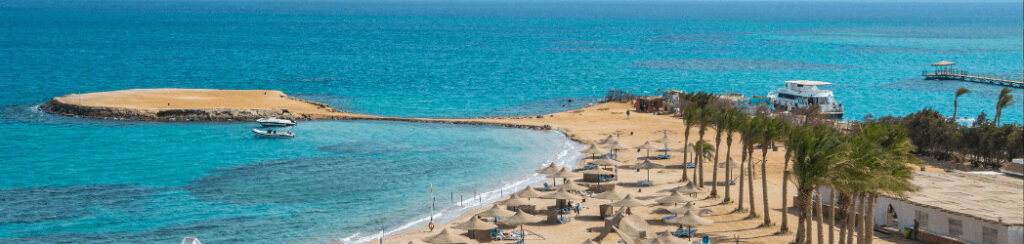
What are the best beaches in Egypt? The seven strongest picks on the Red Sea are Hurghada for easy luxury, Sharm El Sheikh for world class reefs, Marsa Alam for seclusion, Dahab for kite surfing and diving, El Gouna for families, Soma Bay for calm wellness, and Ras Sudr for windsurfing and open space. Each one has a different personality, and the right choice depends on whether you want five star resorts, quiet coastline, or a bit of adventure built into your beach days.
Egypt’s Red Sea coast holds some of the clearest water we have swum in anywhere, and after visiting all seven of these towns ourselves, the differences between them turned out to matter far more than we expected. This guide breaks down exactly where to swim, when to go, and which beach fits your travel style, whether that is a couples trip, a family holiday, or a solo dive-focused escape.
Seven beaches, seven personalities, one unforgettable coastline.
Expert Summary
Egypt’s Red Sea coast covers seven very different beach towns. Hurghada and Sharm El Sheikh offer the most resorts and the easiest access to reef snorkeling. Marsa Alam is the quietest and best for spotting dolphins and dugongs. Dahab is built for kite surfing, windsurfing, and the famous Blue Hole dive site. El Gouna is the most family friendly, with calm lagoons and gated resort communities. Soma Bay leans toward wellness and slow, private beach time, and Ras Sudr remains the most off the beaten path option for open space and steady wind. The water stays swimmable year round, with the calmest, clearest conditions between March and May and again from September to November.
Jump to Section
Compare the 7 Best Egypt Beaches
| Beach town | Best for | Vibe | Snorkeling/diving |
|---|---|---|---|
| Hurghada | First-time visitors, couples, families | Polished resort town with a lively marina | Good, easy boat access to reefs |
| Sharm El Sheikh | Divers and snorkelers | Lively, resort-lined, social evenings | Excellent, Ras Mohammed National Park |
| Marsa Alam | Couples, quiet seekers | Remote, slow, minimal crowds | Excellent, dolphins and dugongs |
| Dahab | Adventure travelers, divers | Bohemian, laid-back, wind-driven | Excellent, the famous Blue Hole |
| El Gouna | Families | Gated lagoon town, pedestrian friendly | Good, calm shallow water |
| Soma Bay | Wellness and honeymoon trips | Private, spa-focused, quiet | Good, shallow reef access |
| Ras Sudr | Windsurfers, off the beaten path travel | Open, wind-swept, uncrowded | Moderate, better for water sports than reefs |
1. Hurghada: The Classic Luxury Beach Escape
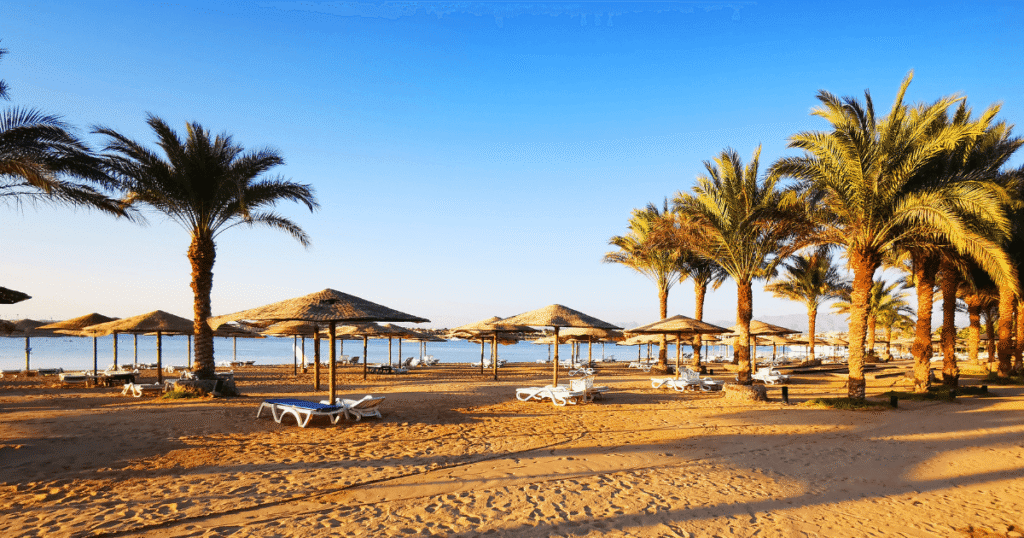
Hurghada is the beach most people picture first when they think of Egypt’s coast, and it earns that reputation. What was once a small fishing village has grown into a full resort town, with a mix of luxury travelers, families, and divers all sharing the same stretch of coastline.
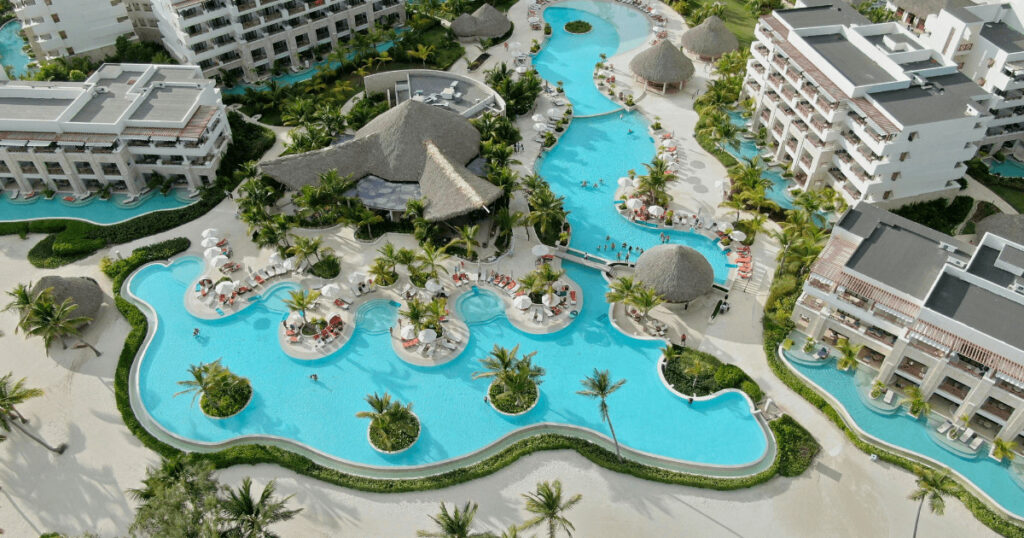
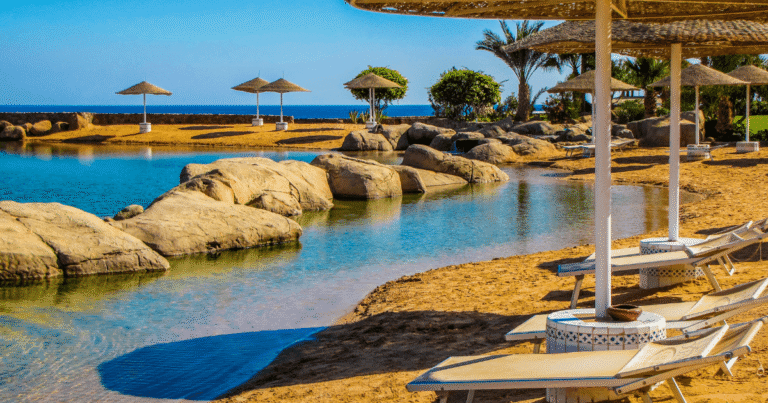
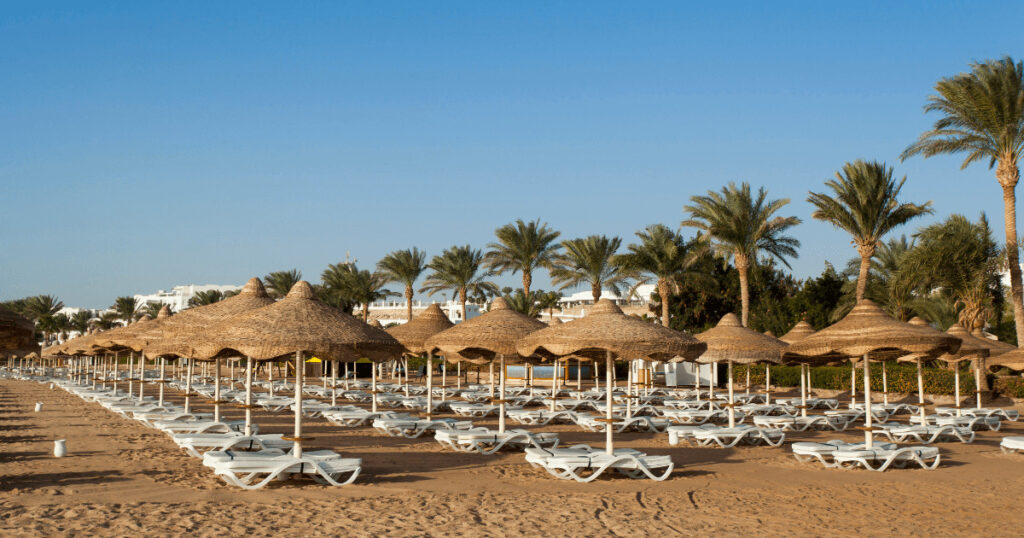
Most resorts here open directly onto private beach sections, so five star comfort is never far from the water. Expect infinity pools, spa access, and dinner tables set close enough to the shore that you can hear the waves. Several properties also carve out a genuinely quiet stretch of beach for guests, which suits couples looking for a low-key, romantic setting away from the main crowds.
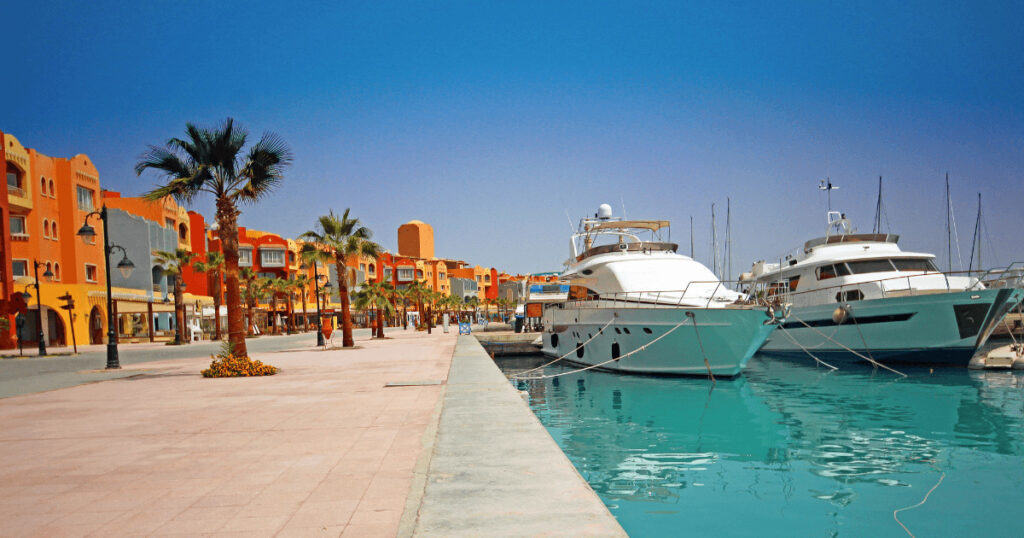
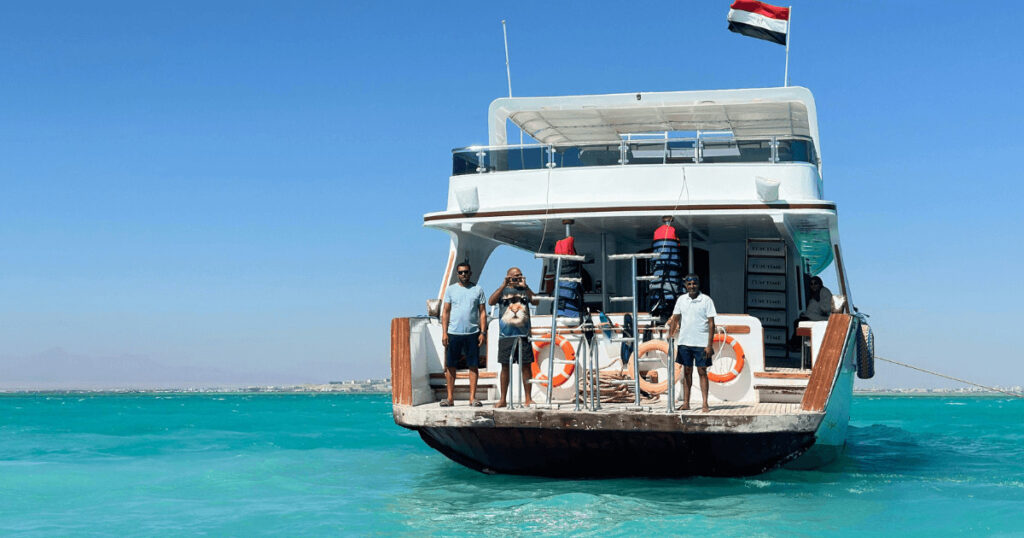
Hurghada is not only about the resort grounds. The Red Sea’s reef life sits close to shore here, so a short boat ride is usually all it takes to reach snorkeling spots with dense coral and colorful fish, and diving trips can go further out to explore wrecks and underwater caves.
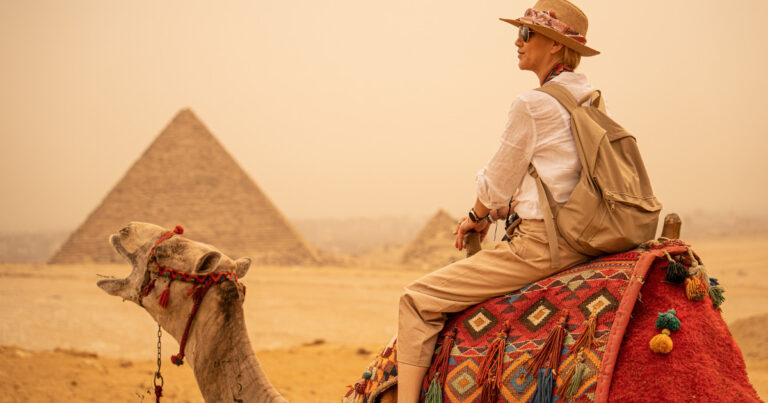
Beyond the water, day trips into the desert add a different kind of experience, from sunset camel rides to stargazing far from the resort lights. The town’s marina is genuinely lively in the evenings, with restaurants, bars, and shops that give Hurghada a social edge the quieter towns further south do not have.
2. Sharm El Sheikh: Coral Reefs and Clear Water
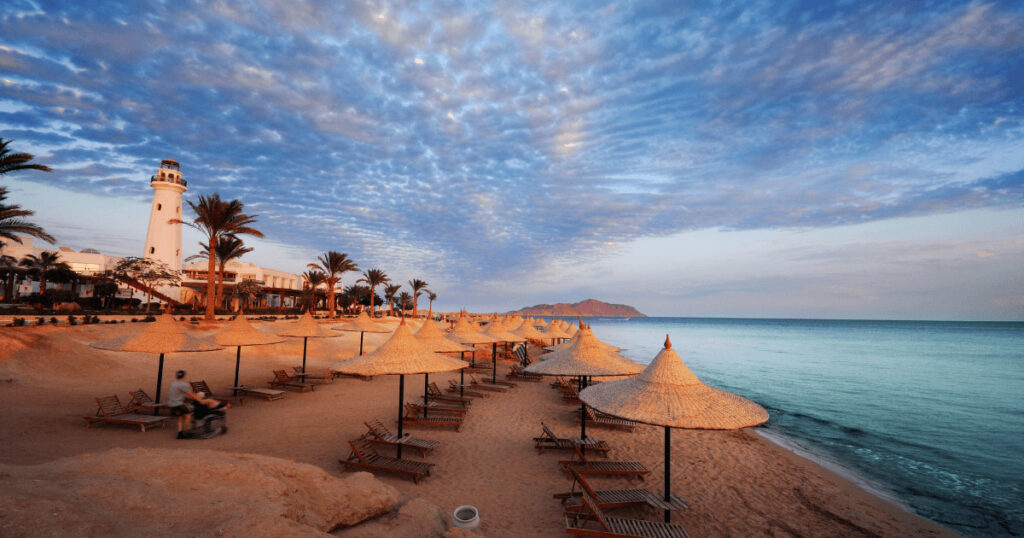
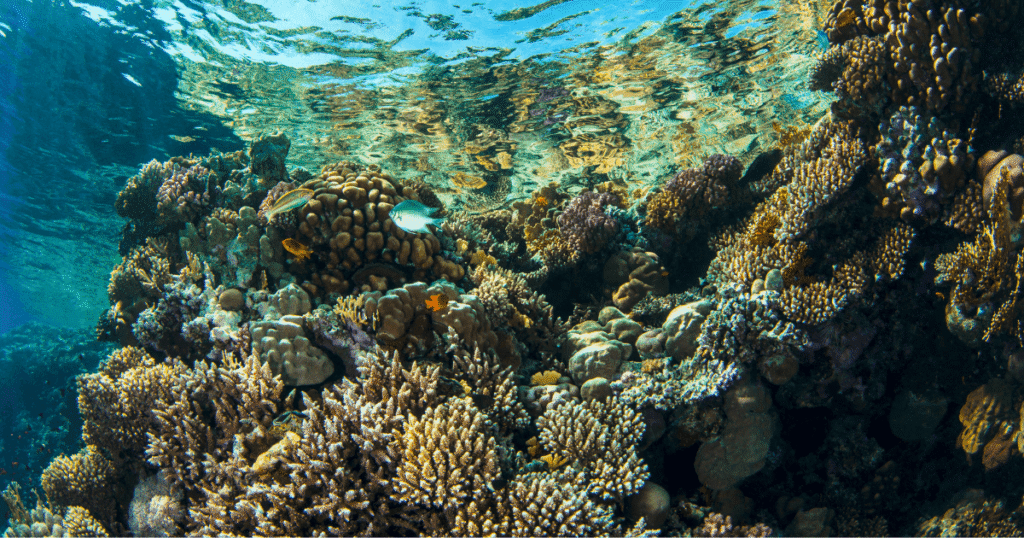
Sharm El Sheikh sits at the southern tip of the Sinai Peninsula and consistently ranks among the best diving destinations on the Red Sea. Ras Mohammed National Park, just outside town, is the main draw: coral gardens, steep drop offs, and enough marine life that even a first snorkel here feels like a full underwater tour. Divers who go deeper regularly spot sea turtles, reef sharks, and the occasional pod of dolphins.
Add a sunset boat ride on the Red Sea, and you have one of the more cinematic evenings Egypt’s coast has to offer.
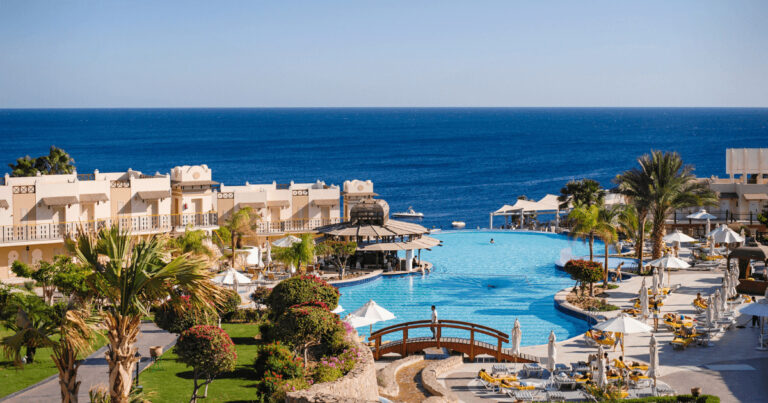
On land, Sharm balances that natural drama with genuine indulgence. Resorts line the coast with private beach access, infinity pools, and spa menus long enough to fill an entire afternoon. Naama Bay is the social center, with markets, restaurants, and nightlife that stay busy well past sunset.
For a deeper look at the diving scene here, the PADI guide to diving in Sharm El Sheikh is a solid resource before you book anything.
Adventure options extend beyond the reef too: jeep safaris through the mountains, camel rides at sunset, and Bedouin dinners under a genuinely dark, star-heavy sky.
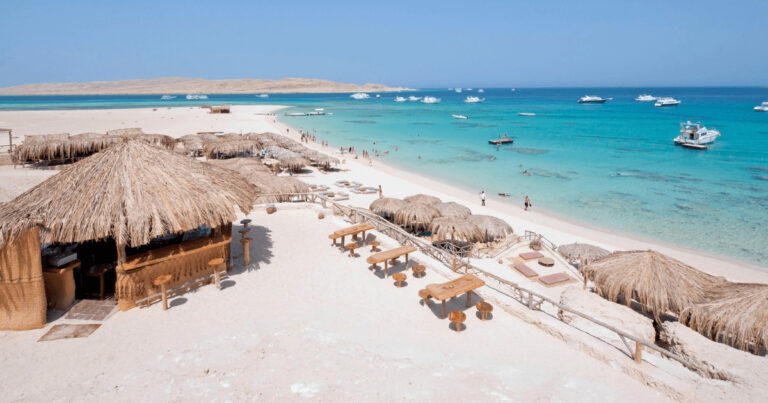
Sharm at golden hour, where the reef, the resorts, and the desert all meet in one view.
Between the reef life, the resort comfort, and the desert backdrop, it is easy to see why Sharm remains one of Egypt’s most complete beach destinations.
3. Marsa Alam: Snorkeling and Wild Nature
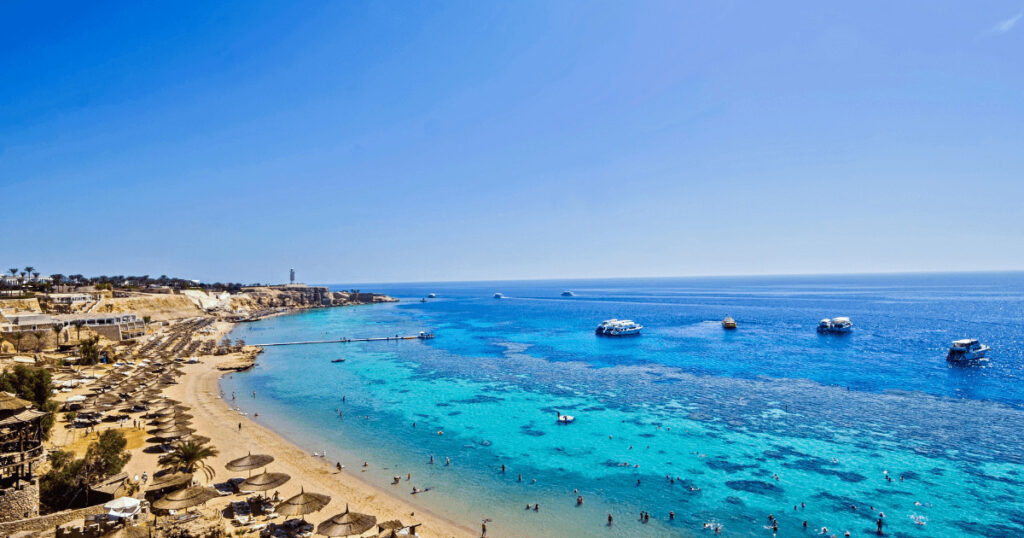
If Hurghada and Sharm feel too built up, Marsa Alam is the answer. Set further south along the Red Sea, it trades resort density for genuine seclusion, and it remains one of the last true hidden gems on this coastline.
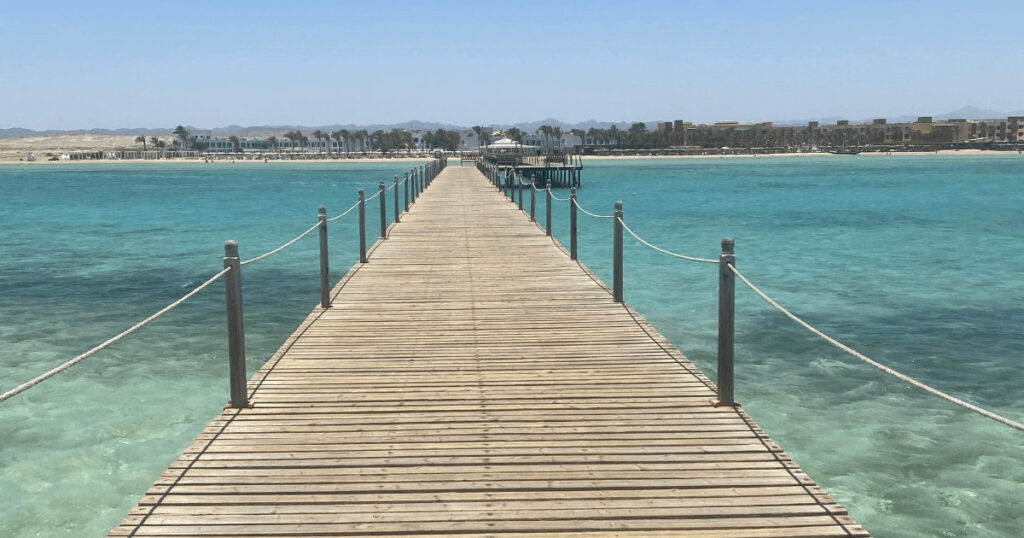
The marine life here is the real headline. Marsa Alam’s reefs are known for dolphin encounters, sea turtles, and sightings of the dugong, a rare sea cow that grazes the seagrass beds along this part of the coast. Snorkeling feels close to private, since crowds are thin even in high season, and divers can reach the well known Elphinstone Reef just offshore for encounters with reef sharks and dramatic coral walls.
Accommodation leans toward boutique eco lodges and smaller luxury resorts designed to blend into the landscape rather than dominate it, which fits the slower, more private pace that draws people here in the first place.
4. Dahab: Kite Surfing and Adventure Beaches
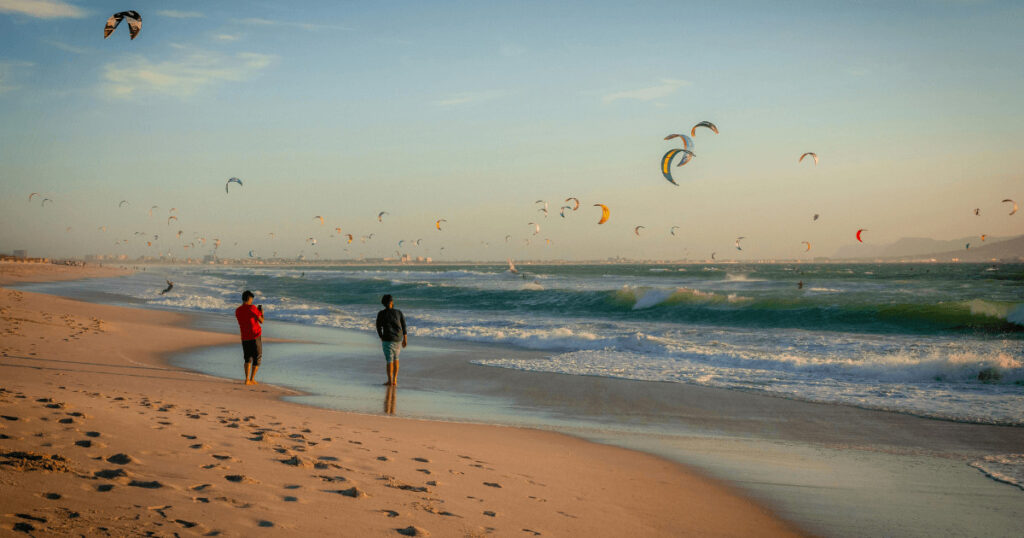
Dahab is Marsa Alam’s more adventurous counterpart. This former fishing village on the Sinai Peninsula has grown into a magnet for kite surfers, windsurfers, and divers, with a bohemian, unpolished feel that sets it apart from Egypt’s more resort-heavy towns.
Steady wind and wide, shallow lagoons make it one of the best places on the Red Sea to learn kite surfing or windsurfing, and several schools along the coast offer lessons for complete beginners.
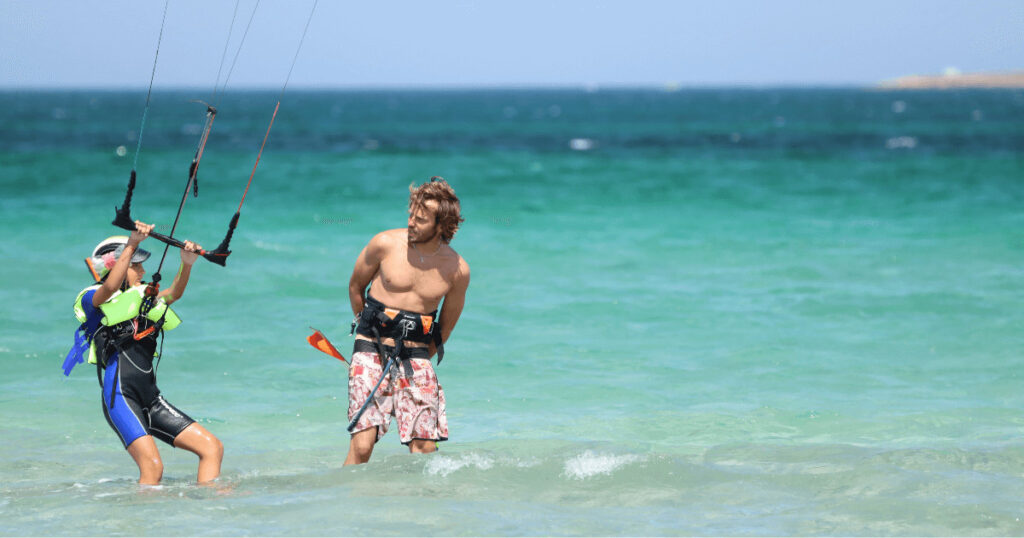
Just offshore sits the Blue Hole, one of the most famous dive sites in the world and a serious technical dive for professionals. It is not for beginners, but nearby reefs and Lighthouse Reef offer easier snorkeling with plenty of color and marine life for anyone not ready for that depth.
Inland, the Sinai Mountains add camel treks, jeep safaris, and hiking to the mix, and the town itself stays relaxed after dark, with beachside cafés and bonfires replacing the more polished nightlife of Sharm or Hurghada. For more on the Blue Hole specifically, the PADI guide to diving in Egypt is worth a read before you go.
5. El Gouna: Swimmable Lagoons and Easy Family Access
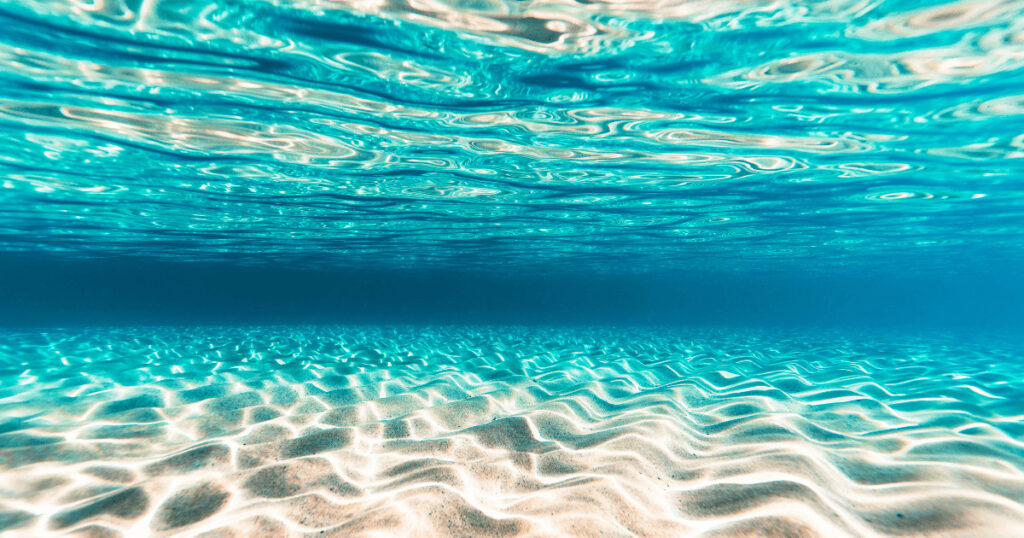
El Gouna, sometimes called the Venice of the Red Sea for its network of lagoons, is the most family oriented beach town on this list. It was built with families specifically in mind: gated communities, calm shallow water, and a pedestrian-friendly layout that makes it easy to move between the beach, the pool, and a café without ever needing a car.
Shallow lagoons and gentle waves let younger children swim freely, while teens and adults can join watersports or explore the town’s compact center at their own pace. Couples traveling without kids still find plenty to like here too, especially in the lagoon-front resorts built for calm, privacy, and long sunset views.
For organized experiences, a dolphin-watching and snorkeling tour or a catamaran cruise through the lagoons are both easy half-day additions, and both work well for families with younger children who are not ready for open-water snorkeling yet.
6. Soma Bay: Calm Water and Wellness Resorts
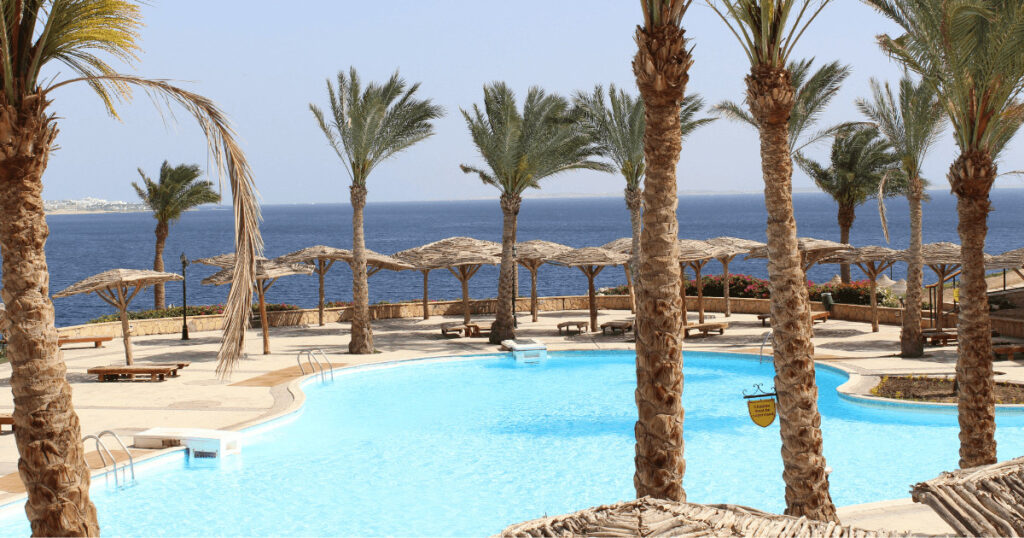
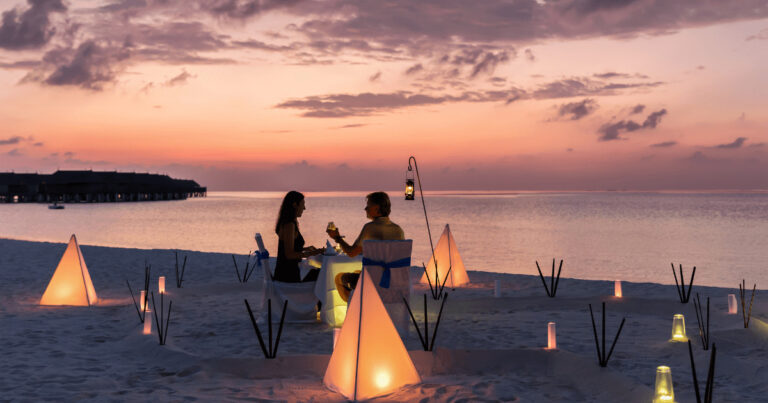
Soma Bay sits apart from the busier towns of Hurghada and Sharm, with a quieter, more private atmosphere built around wellness and slow travel. It suits couples looking for calm over activity: long beach walks, spa afternoons, and soft evening light rather than a packed itinerary.
The resorts here lean into that pace, with spa menus that range from traditional Egyptian hammams to modern massage and holistic treatment programs, plus yoga and light fitness classes for anyone who wants structure to their downtime. The water stays calm enough for stand-up paddleboarding, kayaking, and easy snorkeling over shallow reefs close to shore.
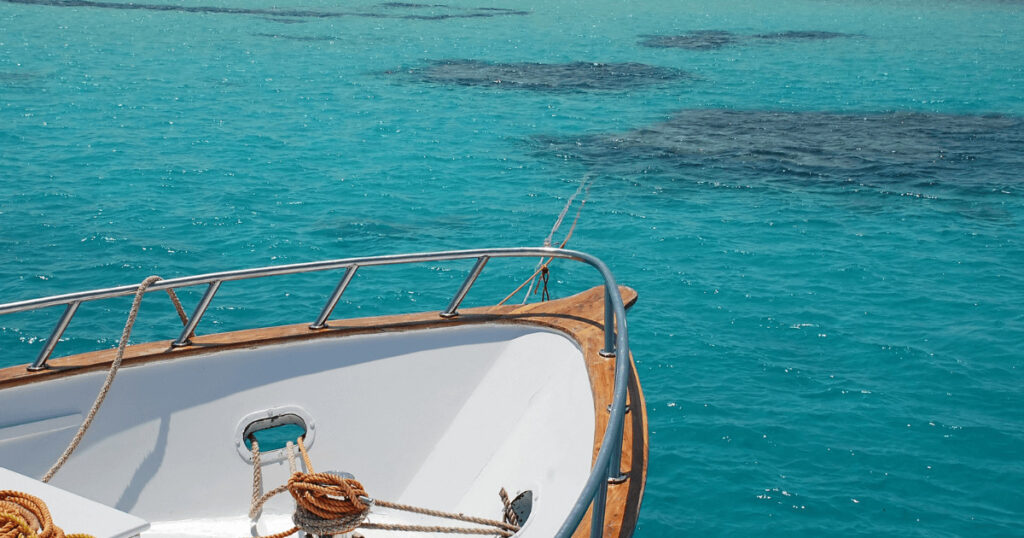
Sunrise and sunset here are genuinely worth setting an alarm for, with the light reflecting off calm water and the desert backdrop behind it. Between the private beach access, the spa culture, and the unhurried pace, Soma Bay is one of the better choices on this coast for a honeymoon or an anniversary trip built around rest rather than adventure.
7. Ras Sudr: Windsurfing and Off the Beaten Path Space
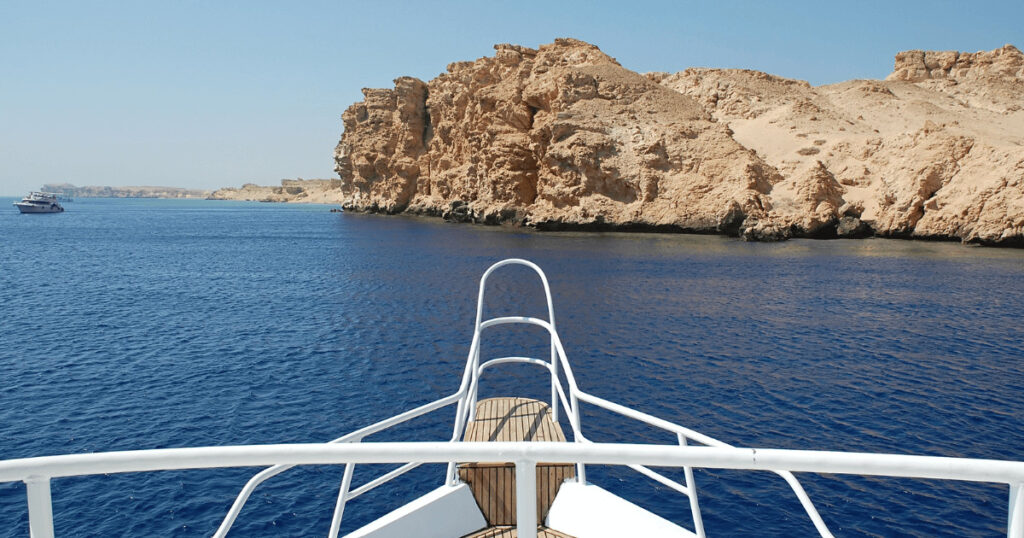
Ras Sudr is the least developed name on this list, and that is exactly its appeal. Wide open beaches, steady wind, and a noticeably slower pace make it stand out from the busier resort towns further south, and it remains genuinely underrated as a honeymoon or off the beaten path pick for couples who want space more than polish.
The town’s main draw is windsurfing. Consistent wind, shallow bays, and long sandy stretches make it a strong spot for beginners and experienced windsurfers alike, and local schools offer lessons and equipment rental for anyone starting from scratch. For travelers less interested in water sports, the same calm shoreline works just as well for sunbathing or a long, uninterrupted walk along the water.
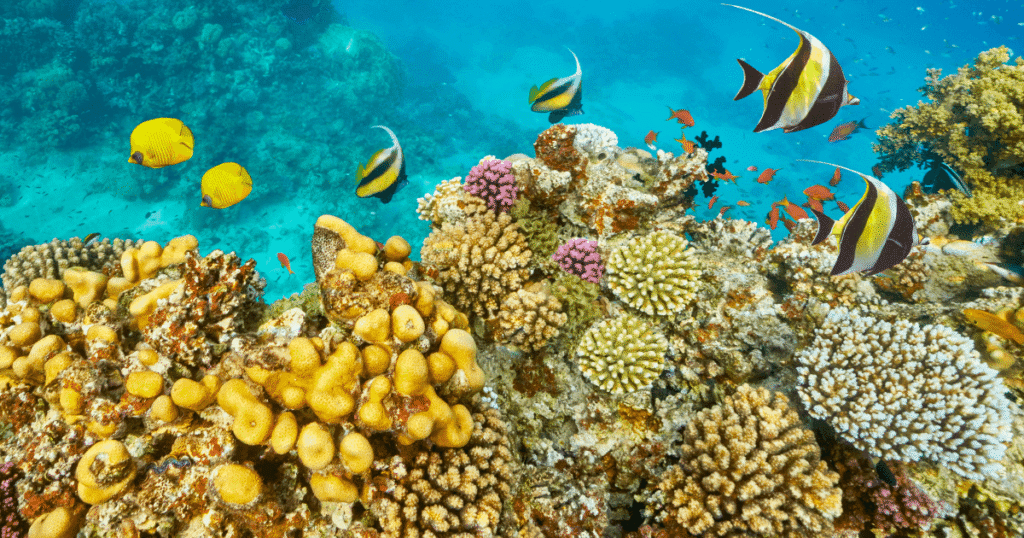
Inland, desert dunes create a striking contrast against the water, and camel rides or guided sunset excursions are an easy way to see them. Accommodation tends toward boutique resorts and smaller guesthouses rather than large chains, with dining that leans heavily on fresh, local seafood.
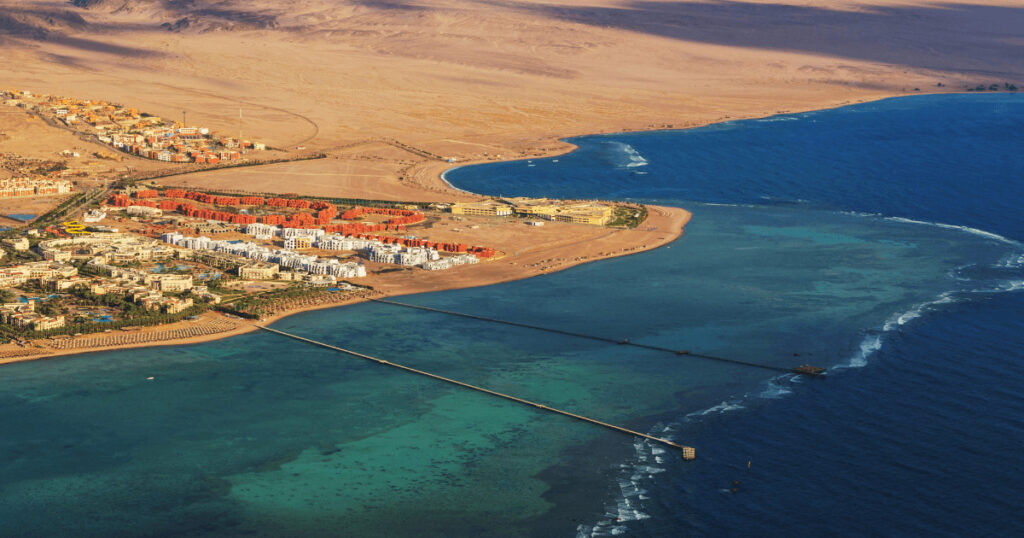
Late afternoon wind picking up in Ras Sudr, the quietest of Egypt’s seven Red Sea beach towns.
A First-Hand Look at Egypt’s Coastline
Before this trip, we pictured Egypt’s coast as one long stretch of similar resorts. Visiting all seven of these towns changed that completely. Each one has its own rhythm, from the social energy of Hurghada’s marina to the near-total quiet of a Marsa Alam sunset, and the differences turned out to matter far more for planning than any single “best beach” ranking could capture.
A few things made the biggest difference in practice. Timing mattered more than we expected: early mornings in Ras Sudr gave the steadiest wind for windsurfing, while late afternoons in Marsa Alam were better for quiet walks and watching the light change over the water. Packing reef-safe sunscreen and lightweight, sun-protective clothing made a noticeable difference too, both for comfort and for the reefs themselves.
The moments that stayed with us longest were rarely the ones we planned for. A conversation with a café owner in Dahab, a local guide’s detour off the main road near Ras Sudr, these small, unplanned connections did more to shape how we remember the trip than any resort amenity did. If you are choosing between Egypt’s Red Sea beaches, our honest advice is to pick based on pace rather than photos: decide whether you want a lively resort town or a quiet, private stretch of coast, and let that decision guide the rest of your itinerary.
Frequently Asked Questions About Egypt Beaches
Which is the best Egypt beach for couples?
Soma Bay and Marsa Alam are the strongest picks for couples who want calm, private beach time, while Hurghada and Sharm El Sheikh work well for couples who also want an active social scene in the evenings.
Which Egypt beach is best for snorkeling and diving?
Sharm El Sheikh and Marsa Alam offer the strongest reef access, with Ras Mohammed National Park and Elphinstone Reef among the most rewarding sites on the entire Red Sea coast. Dahab’s Blue Hole is a major draw for experienced divers specifically.
What is the best Egypt beach for families?
El Gouna is built specifically for families, with calm shallow lagoons, gated resort communities, and a pedestrian-friendly layout that makes moving around with kids easy.
Where should I go for windsurfing or kite surfing in Egypt?
Dahab and Ras Sudr are the two strongest options, both offering steady wind, shallow lagoons, and local schools for beginners.
Is Marsa Alam worth visiting over Hurghada?
If you want a quieter, more private beach experience with excellent marine life, Marsa Alam is worth the extra distance. If you prefer more resort choice, nightlife, and easier access, Hurghada is the simpler option.
What is the best time of year to visit Egypt’s beaches?
The Red Sea stays swimmable year round, with the calmest, clearest conditions between March and May and again from September to November, avoiding the most intense summer heat.
Which Egypt beach is best for a honeymoon?
Soma Bay and Ras Sudr both suit honeymooners who want privacy and a slower pace, while Sharm El Sheikh offers a more polished, resort-heavy honeymoon experience with easy access to reefs.
Do I need a boat trip to see the best coral reefs in Egypt?
Not always. Hurghada, Marsa Alam, and Dahab all have shore-accessible reef spots, though a short boat ride typically reaches denser coral and clearer water than swimming directly from the beach.
Keep Planning Your Trip
More from our Egypt and beach travel guides: