
“Last Updated: 2026”
Affiliate Disclosure: Beyond the Coast participates in affiliate programs including Booking.com, Viator, GetYourGuide, and Sandals Resorts. If you purchase through links on our site, we may earn a small commission at no extra cost to you. This helps keep our travel guides free and supports our research.
Expert Summary
Where to stay in Egypt is the single biggest decision in planning this trip, bigger than which hotel, because the four main regions are genuinely different countries in everything but passport stamp. Hurghada is the easiest, most affordable Red Sea base, with the largest range of family resorts and the shortest transfer from the airport. Sharm El Sheikh carries the deepest bench of five-star hotels and sits closest to Ras Mohammed National Park, the best diving on this list. Marsa Alam trades resort density for quiet, with some of the strongest house reefs on the entire coast. Cairo is not a beach base at all, it is where you go for the Pyramids, the Egyptian Museum, and the Nile, almost always for two to three nights bolted onto a Red Sea stay, not as a trip on its own.
If you remember nothing else from this guide, remember this: deciding where to stay in Egypt is really deciding what kind of trip you want first, resort ease, diving, quiet, or culture, and only then picking the region that delivers it.
📍 This guide is part of our complete Egypt Travel Guide Hub, covering Red Sea resorts, honeymoon planning, beach tips, and first-time travel advice, all in one place.
Jump to a Section
Where to stay in Egypt: the honest answer, region by region
Every message I get before an Egypt trip includes some version of the same question, and it is never really about a hotel. It is about where to stay in Egypt in the first place, because the resort only matters once the region is right. Egypt is not one destination wearing different hotel names, it is four genuinely different trips sharing the same visa stamp, and picking the wrong base is the single most common regret I hear about afterward, far more often than a disappointing room.
This guide breaks down exactly where to stay in Egypt, based on what each region actually delivers, not what the resort brochures promise. Hurghada, Sharm El Sheikh, Marsa Alam, and Cairo each solve a different problem, and the best Egypt trips I have helped plan almost always combine two of them rather than committing to just one for the entire stay.
Already decided you want the Red Sea coast specifically? Check out our 10 best Red Sea resorts in Egypt for specific hotel picks once you have chosen a region below.
Where to stay in Egypt: quick comparison table
| Region | Best for | Airport | Budget tier | Mid tier | Luxury tier |
|---|---|---|---|---|---|
| Hurghada | Families, value, first-timers | Hurghada Intl (HRG) | $80 to $140 | $140 to $250 | $250 to $450 |
| Sharm El Sheikh | Luxury, diving, couples | Sharm El Sheikh Intl (SSH) | $100 to $180 | $180 to $300 | $300 to $600+ |
| Marsa Alam | Reef access, quiet, adventure | Marsa Alam Intl (RMF) | $90 to $150 | $150 to $280 | $280 to $500 |
| Cairo | Pyramids, museums, Nile | Cairo Intl (CAI) | $70 to $120 | $120 to $220 | $220 to $450+ |
Quick Guide
Which Egypt Region Fits Your Trip?
Best for families and value
Hurghada
The widest range of resorts and price points, direct flights, and genuine kids’ clubs at most family properties.
Read more →Best for luxury and diving
Sharm El Sheikh
The deepest five-star hotel selection on the Red Sea, plus the best access to Ras Mohammed for diving and snorkeling.
Read more →Best for reef access and quiet
Marsa Alam
Fewer crowds, excellent house reefs, and a slower pace than the bigger resort towns further north.
Read more →Best for culture and history
Cairo
The Pyramids of Giza, the Egyptian Museum, and the Nile, usually paired with a Red Sea stay rather than visited alone.
Read more →Not sure which region matches your travel style? Take the free Egypt Region Finder quiz →
Where to stay in Egypt: Hurghada, the easy, affordable Red Sea base
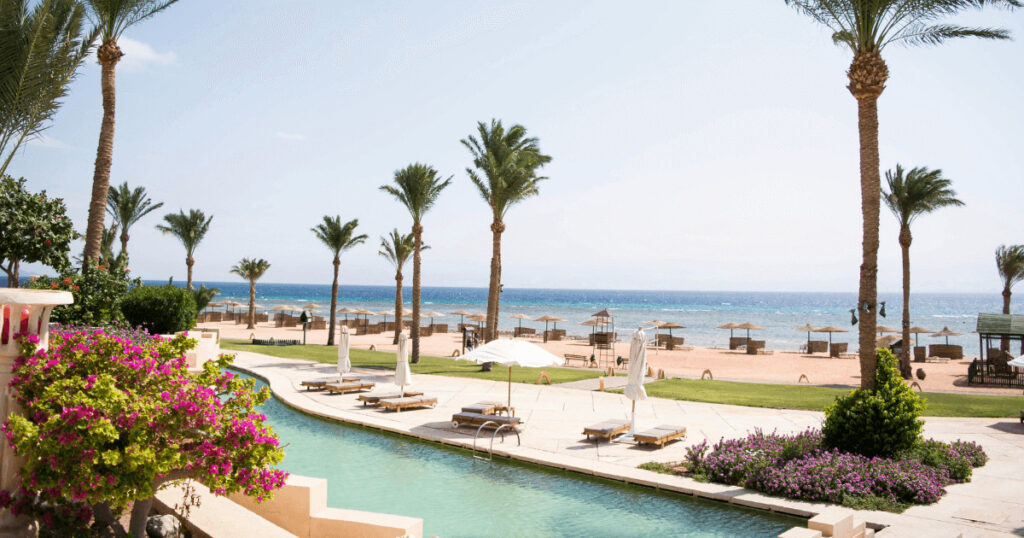
Hurghada is where most first-time Egypt beach trips land, and for good reason. It has the largest concentration of resorts on the entire Red Sea coast, the widest spread of price points, and a direct international airport that keeps transfer times short, usually under 30 minutes to the main resort strip. If you are weighing where to stay in Egypt for a first visit and want the lowest-risk option, this is it.
Properties here range from simple, well-run beachfront hotels to genuinely upscale resorts like Rixos Premium Seagate, with private villas and an on-site waterpark. The town itself splits into a few distinct areas worth knowing before you book. El Mamsha and Sheraton Road sit close to restaurants, shops, and nightlife, good if you want to walk somewhere in the evening. Sahl Hasheesh, a gated development south of the main town, is quieter and more polished, with several of the newer five-star properties. Makadi Bay, further south still, is almost entirely resort-only, built for guests who have no plans to leave the property at all.
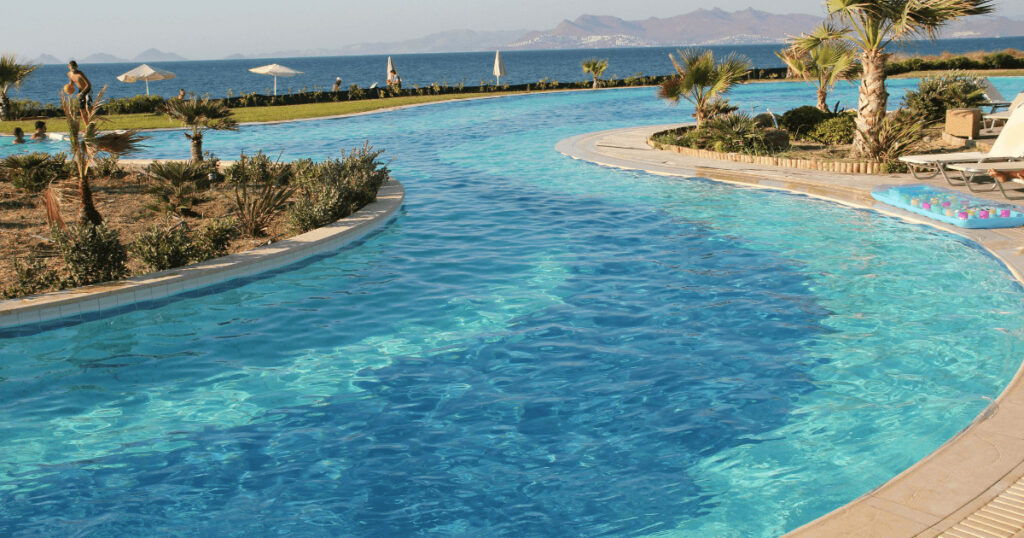
Families tend to do particularly well here. Resorts like Jaz Makadi Star & Spa and Pickalbatros Aqua Blu run structured kids’ clubs and water parks alongside the usual all-inclusive setup, which means parents actually get downtime too. Several properties in Makadi Bay specifically market themselves around this, with slide-heavy pools and supervised activity programs that run most of the day.
Typical price by tier: budget beachfront hotels run $80 to $140 per night, solid mid-range all-inclusive resorts $140 to $250, and top-tier properties like Rixos Premium Seagate $250 to $450, among the lowest luxury pricing on the Red Sea for comparable quality.
My honest take: Hurghada is the safest first choice if you have never been to Egypt and are not sure which region suits you yet. The one real downside, the town itself can feel more built-up and less scenic than Sharm or Marsa Alam, especially around the older central strip, and the house reefs directly off the beach are generally weaker here than further south. If snorkeling straight off the sand matters to you, plan a boat excursion rather than expecting it at your resort, most hotels will arrange this for a modest extra cost.
For specific hotel recommendations in this area, see our full Red Sea resorts guide, and our 10 best Hurghada experiences for first-time travelers.
Browse Hurghada tours and excursions →
Where to stay in Egypt: Sharm El Sheikh for luxury and diving
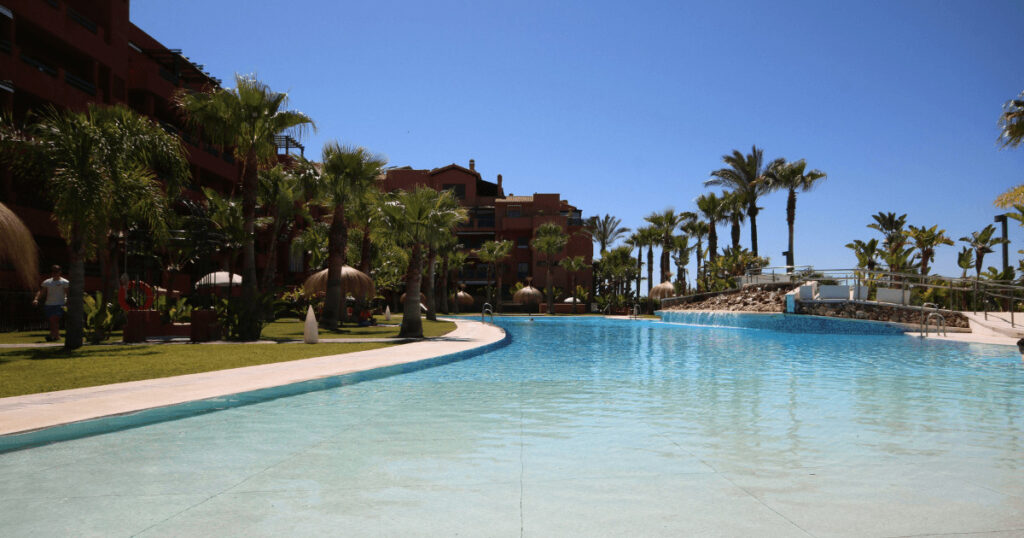
Sharm El Sheikh carries the deepest bench of five-star properties on the Red Sea, led by names like Four Seasons Resort, set where the desert meets the sea with panoramic ocean views built into nearly every room. If luxury is the priority in your search for where to stay in Egypt, this is the region that wins the comparison most consistently.
The town also sits closest to Ras Mohammed National Park, which gives it the best diving and snorkeling access on this list, without needing a long boat transfer. Within Sharm itself, Naama Bay is the liveliest area, with restaurants, dive shops, and a proper evening scene. Nabq Bay, further north, is quieter and holds several of the newest luxury resorts. Soma Bay, technically its own peninsula closer to Hurghada but often grouped with this tier of resort, adds golf and a Kempinski property to the mix for travelers comparing both regions.
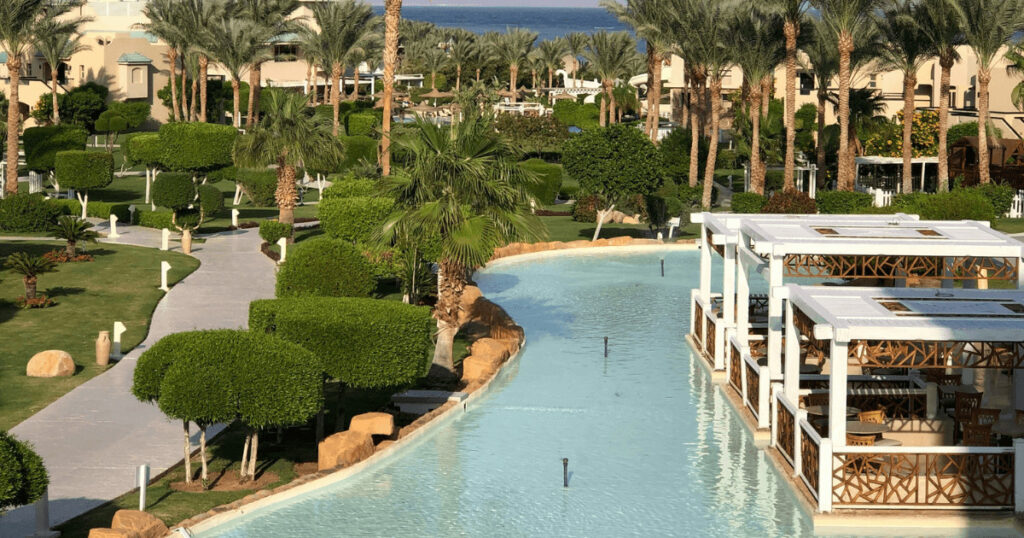
Couples tend to gravitate here for exactly this combination, genuine luxury plus real reef access. Resorts like Coral Sea Sensatori and Baron Resort back directly onto a house reef, so shore snorkeling is possible without booking a separate excursion, a real point of difference from most of Hurghada.
Typical price by tier: entry-level hotels run $100 to $180 per night, strong mid-range resorts $180 to $300, and top luxury properties like Four Seasons $300 to $600 and up, noticeably higher than Hurghada for a comparable room category.
My honest take: if your trip is built around diving, or you want the strongest five-star hotel selection on the coast, Sharm beats Hurghada without much argument. The negative worth knowing, prices run noticeably higher for a comparable room, and the town’s layout is more spread out than Hurghada’s, so confirm how far your specific resort actually sits from the dive sites or Naama Bay nightlife before booking, transfers between Nabq Bay and Naama Bay can run 20 to 30 minutes.
Browse Sharm El Sheikh diving and snorkeling tours →
Where to stay in Egypt: Marsa Alam for quiet reef access
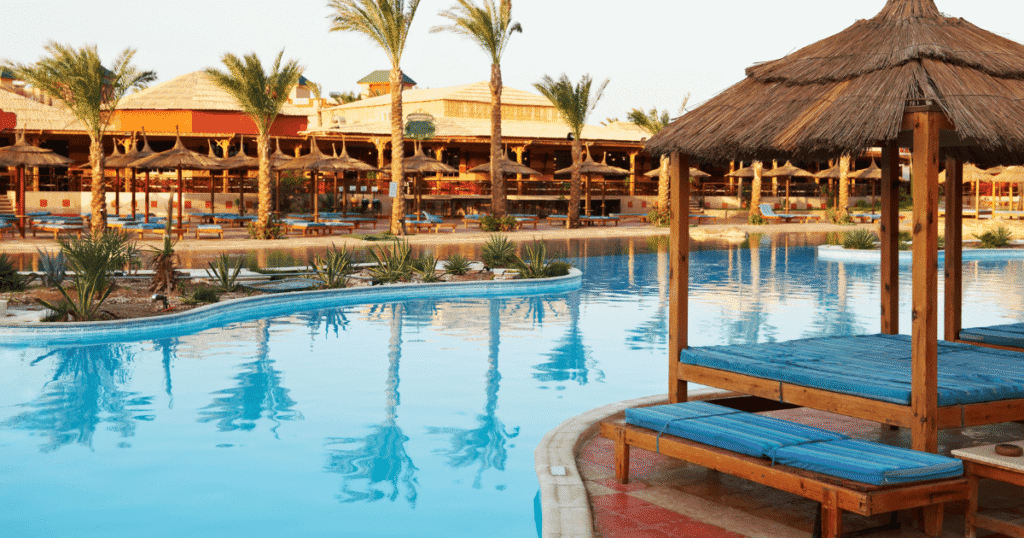
Marsa Alam sits further south along the coast, and the extra distance is exactly what keeps it quieter. This is where properties like Hilton Marsa Alam Nubian Resort pair private beach access with strong water sports programs, built for travelers who want an active trip without the density of Hurghada or the price tag of Sharm. If the other regions on this list feel too crowded or too expensive, Marsa Alam is usually the answer to where to stay in Egypt instead.
Marsa Alam is also known among divers specifically for dolphin and dugong sightings at certain reef sites further offshore, Sataya Reef and Abu Dabbab among them, something neither Hurghada nor Sharm can reliably promise. The resort strip here is noticeably less developed, with longer stretches of open coastline between properties rather than a continuous row of hotels.
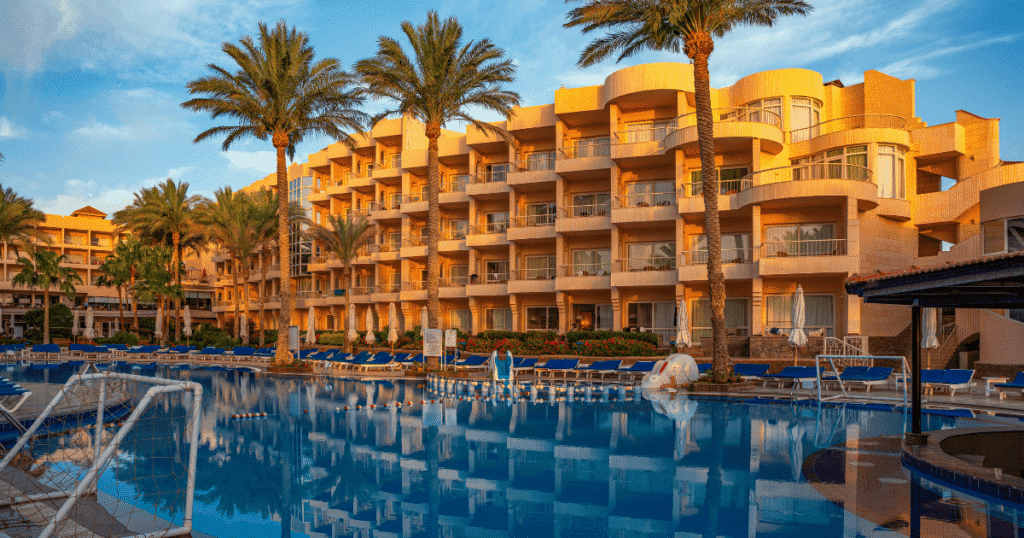
Typical price by tier: budget options run $90 to $150 per night, mid-range resorts $150 to $280, and the handful of luxury properties $280 to $500, generally better value than a comparable Sharm resort for similar reef quality.
My honest take: this is the region I recommend to couples who tell me Hurghada sounds too busy and Sharm sounds too expensive. The tradeoff is real though, there is genuinely less to do off-resort here, fewer restaurants, fewer excursion operators, and a longer, often pricier airport transfer if your flight lands anywhere other than Marsa Alam International directly. Go in knowing you will spend most of your time at the resort itself, which for many couples is exactly the point.
Browse Marsa Alam reef and snorkeling excursions →
Where to stay in Egypt: Cairo for the Pyramids and the Nile
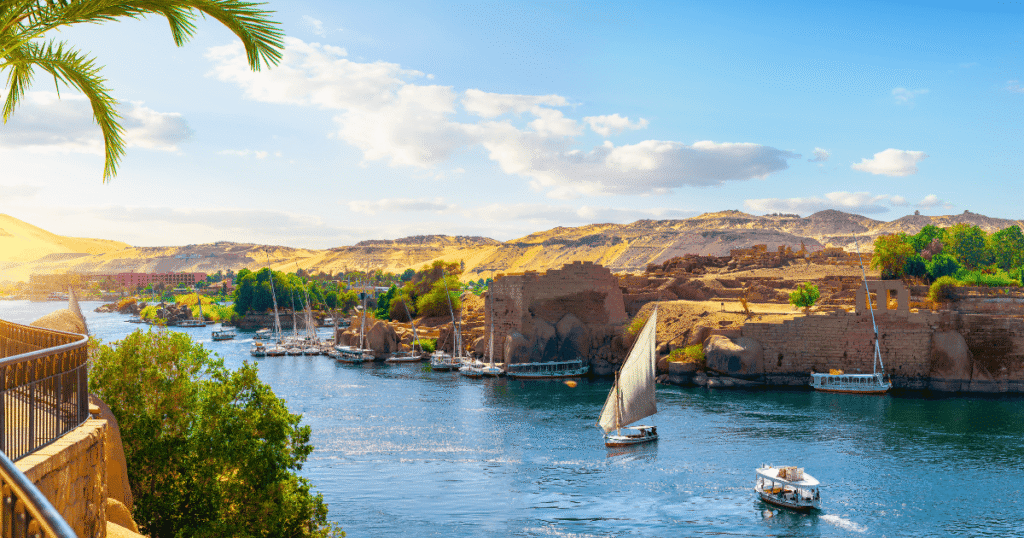
Unlike the other three regions on this list, Cairo is not a beach base, it does not have Red Sea resorts, house reefs, or all-inclusive packages. What it has is the Pyramids of Giza, the Sphinx, the Egyptian Museum, and the Nile itself, all within a reasonable drive of the city center. When people ask where to stay in Egypt for history rather than beach time, Cairo is the only real answer.
Hotel options range from large international chains near the airport to boutique Nile-view properties in Zamalek and Garden City, and most are priced à la carte rather than all-inclusive. Staying near Giza itself puts the Pyramids within walking distance of some hotels, a genuinely striking way to wake up, while staying closer to downtown puts you nearer the Egyptian Museum and the Nile corniche restaurants.
Typical price by tier: budget hotels run $70 to $120 per night, solid mid-range options with Nile or partial Pyramids views $120 to $220, and top properties with full Pyramids or Nile frontage $220 to $450 and up.
My honest take: almost nobody should spend their entire Egypt trip in Cairo alone, and almost nobody should skip it entirely either. Two to three nights is the right amount for most couples, enough time for the Pyramids, the museum, and one evening Nile dinner cruise, without losing beach time on the Red Sea. Book Cairo at the start or end of your trip, not the middle, so you are not doubling back on flights between two different airports.
For a ready-made way to combine both halves of the trip, see our Perfect Egypt Honeymoon Itinerary, which walks through Pyramids, Nile nights, and Red Sea sunsets in one trip.
Browse Cairo and Pyramids day tours →
Beyond the Coast · Egypt Tool
Still Not Sure Where to Stay in Egypt?
Answer a few quick questions and find out whether Hurghada, Sharm El Sheikh, Marsa Alam, or a Cairo add-on fits your travel style best.
Take the Egypt Region Finder Quiz →Who should stay where in Egypt
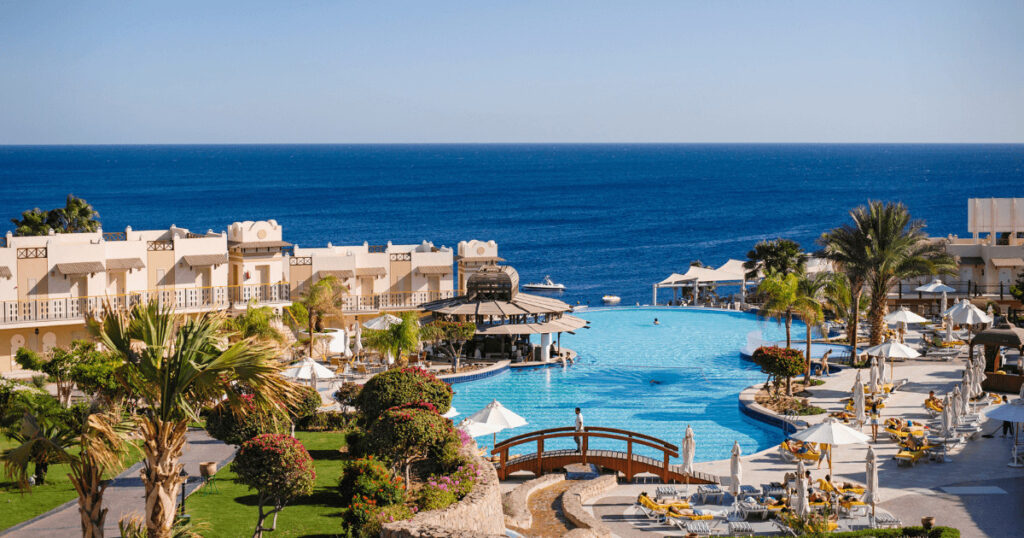
First trip to Egypt, unsure what you want. Start with Hurghada. It has the most resort variety at the most forgiving price point, and the direct flights keep the logistics simple while you figure out what you actually like about the country.
Diving or snorkeling is the main reason for the trip. Choose Sharm El Sheikh for the strongest overall dive infrastructure and Ras Mohammed access, or Marsa Alam specifically for dolphin and dugong sites further south and a quieter base between dives.
Budget and crowds matter more than name recognition. Marsa Alam generally offers better value than Sharm for a similar quality of reef access, with far fewer crowds than Hurghada at a comparable price.
Traveling with young children. Hurghada’s Makadi Bay cluster has the strongest concentration of genuine kids’ clubs and waterpark-style resorts, more than Sharm or Marsa Alam currently offer.
Celebrating a honeymoon or anniversary. Sharm El Sheikh and Marsa Alam both skew more adults-focused and private than Hurghada’s family-heavy resort mix. See our 10 best honeymoon resorts in Egypt for specific picks in both regions.
History and culture are part of the trip, not the whole point. Add two to three nights in Cairo at the start or end of a Red Sea stay, rather than trying to split your trip evenly between the two.
Mistakes people make when choosing where to stay in Egypt
The most common mistake is not picking the wrong resort, it is picking the wrong region and then trying to fix it with a better hotel. A five-star resort in the wrong area still has you in the wrong area.
Assuming Cairo and the Red Sea coast are a short drive apart. They are not. Cairo to Hurghada is roughly a five to six hour drive, and most travelers fly between the two instead. Budget for a domestic flight or a long private transfer, not a quick hop.
Booking Sharm El Sheikh for the diving without checking which bay. Naama Bay, Nabq Bay, and the areas further north all carry the “Sharm El Sheikh” label, but they differ enough in atmosphere and distance to dive sites that the specific area matters as much as the city name.
Choosing Marsa Alam expecting Hurghada-level nightlife. It is a quiet region by design. Travelers expecting a busy strip of restaurants and bars outside the resort are usually disappointed, while travelers who wanted quiet all along are thrilled.
Splitting time evenly between Cairo and the beach. Three or four nights in Cairo is usually too many unless ancient history is the primary focus of the trip. Two to three nights covers the essentials well.
How to combine two regions in one trip
Most of the strongest Egypt itineraries I help plan are not single-region trips, they combine a Red Sea base with Cairo, or occasionally two Red Sea regions back to back. The logistics are straightforward once you know the pattern.
Cairo plus Hurghada or Sharm El Sheikh. This is the classic combination, and the one our Egypt Honeymoon Itinerary is built around. Fly into Cairo, spend two to three nights there, then take a domestic flight to your Red Sea region of choice for the remainder of the trip.
Sharm El Sheikh plus Marsa Alam. Less common, but a strong option for serious divers who want both the Ras Mohammed sites and the dolphin and dugong reefs further south. Expect a four to five hour road transfer or a domestic flight connection between the two.
How many nights to allocate. For a 10 to 14 night trip, two to three nights in Cairo and the remainder at a single Red Sea region works well for most couples. Shorter trips under 10 nights generally do better committing to one region entirely rather than splitting time three ways.
Frequently Asked Questions
Where is the best place to stay in Egypt?
It depends on your priorities. Hurghada is best for value and families, Sharm El Sheikh for luxury and diving, Marsa Alam for quiet reef access, and Cairo for history and culture. Most couples combine a Red Sea base with two to three nights in Cairo.
Is Hurghada or Sharm El Sheikh better?
Hurghada generally offers similar quality at a lower price point and suits families particularly well. Sharm El Sheikh has the deepest five-star hotel selection and the best access to Ras Mohammed National Park for diving.
Should I stay in Cairo or on the Red Sea coast?
Most trips benefit from both. Cairo covers the Pyramids, the Egyptian Museum, and the Nile, while the Red Sea coast covers beaches and reef access. Two to three nights in Cairo, at the start or end of the trip, works best for most travelers.
Is Marsa Alam worth it compared to Hurghada or Sharm?
Yes, particularly if quiet, uncrowded reef access matters more to you than nightlife or resort variety. The tradeoff is fewer off-resort activities and a potentially longer airport transfer.
What is the best time of year to visit the Red Sea coast of Egypt?
October through April offers the most comfortable weather across Hurghada, Sharm El Sheikh, and Marsa Alam, with warm but not extreme temperatures for both the beach and inland day trips.
How many days should I spend in each region?
For a single-region beach trip, five to seven days is typical. If combining a Red Sea base with Cairo, plan two to three nights in Cairo and the remainder of your trip at the beach.
Which region is best for a honeymoon?
Sharm El Sheikh and Marsa Alam both offer more adults-focused, private resort options than Hurghada. See our 10 best honeymoon resorts in Egypt for specific picks.
Do I need to book transfers between Cairo and the Red Sea separately?
Yes. Cairo and the Red Sea resort towns are served by different airports, so most itineraries involve a domestic flight or a long private transfer between the two, not a single drive.
Which Egypt region has the best beaches?
Marsa Alam and Sharm El Sheikh generally have the strongest house reefs and clearest water directly off the beach. Hurghada’s beaches are pleasant but typically require a short boat trip for the best snorkeling.
Can I see the Pyramids as a day trip from the Red Sea coast?
Technically yes from Hurghada by domestic flight, but it makes for a very long single day. Staying two to three nights in Cairo gives a far more comfortable, complete experience of the Pyramids, the museum, and the Nile.
For additional planning resources, see the official Egypt Tourism Authority site, the PADI Red Sea diving overview for site-specific dive conditions, and the Egyptian Supreme Council of Antiquities for current Pyramids and museum visiting information. For airport details, check Cairo International Airport and Sharm El Sheikh International Airport directly before booking transfers.
Planning the rest of your trip? See our complete Egypt travel tips guide and our 7 stunning Egypt beaches on the Red Sea to round out your itinerary.
Don’t forget to follow us on Pinterest for more Egypt travel inspiration.
Have you stayed in more than one of these regions? I would love to hear which combination worked best for your trip.