
Last Updated: July 2026
Expert Summary: Hidden Gems Dominican Republic
Focus keyword: hidden gems Dominican Republic
The best hidden gems in the Dominican Republic are the places most tourists never reach because they stay within the resort zones of Punta Cana, La Romana, and Puerto Plata. The 10 most rewarding off-the-beaten-path destinations are Playa Frontón (dramatic clifftop beach, boat access only), Los Haitises National Park (mangroves and Taíno cave art), Bahía de las Águilas (six miles of pristine untouched coastline), Laguna El Dudú (freshwater cliff-jumping lagoon), Cascada El Limón (jungle waterfall reached on horseback), Isla Catalina (quiet snorkeling island), Las Terrenas (cosmopolitan beach town with soul), Jarabacoa (the Dominican Alps), Playa Rincón (one of the most beautiful beaches in the Caribbean), and Cabo Francés Viejo (dramatic clifftop lighthouse above the Atlantic). This guide is specifically for travelers who want to go beyond the all-inclusive circuit.
- Best hidden beach: Bahía de las Águilas (no facilities, no crowds)
- Best for couples: Playa Rincón, Las Terrenas, Cascada El Limón
- Best for adventure: Laguna El Dudú, Jarabacoa, Playa Frontón
- Best for nature and wildlife: Los Haitises National Park
- Best time to visit these spots: December to April
- Key difference from Places to Visit guide: this guide covers quieter, less obvious, local-first destinations beyond Punta Cana
10 Secret Hidden Gems in the Dominican Republic Most Tourists Never Discover
Table of Contents
What makes the Dominican Republic a paradise of hidden gems?
When most people think of the Dominican Republic, they picture long all-inclusive beaches, infinity pools, and palm-lined resorts. And while that side of the island is beautiful, it is only a small part of the story. The real magic of the Dominican Republic begins the moment you venture beyond the familiar tourist zones. Suddenly the landscape changes: rugged cliffs, empty bays, jungle trails, and mountain villages appear, places where the island still feels wild, untouched, and deeply authentic.
What makes these hidden gems in the Dominican Republic so special is not just the scenery. It is the feeling of discovering somewhere that has not been shaped by crowds or commercial tourism. Many of these beaches, lagoons, and natural wonders are hard to reach, and that is exactly why they remain peaceful. Only a fraction of travelers ever step foot in these remote corners, which keeps them as raw and unforgettable as they have always been.
Geography plays a huge part in this: dense rainforests, dramatic mountain ranges, and rugged coastlines naturally hide beaches and waterfalls from the typical tourist path. Several factors explain why so many secret places in the Dominican Republic have survived: some areas are difficult to access by dirt roads, boat transfers, or jungle trails; many regions are protected as national parks or marine reserves; local communities often prefer to preserve their quiet way of life; and tourism infrastructure expanded mainly around resort hubs, leaving the rest unchanged.
This guide vs. the Places to Visit Dominican Republic guide: what is the difference?
What makes this hidden gems guide different from a general places to visit guide? This guide is specifically for travelers who want to go beyond Punta Cana, La Romana, and Puerto Plata. Every destination here is either hard to reach, little-known outside the Dominican Republic itself, or requires more effort than booking a resort excursion. None of these places appear in standard all-inclusive itineraries.
The Places to Visit in Dominican Republic guide covers the best overall destinations for first-time visitors, including popular spots like Santo Domingo, Punta Cana, and Isla Saona. This guide goes further, covering the quieter, more local, and more emotionally resonant corners of the island that repeat visitors and slow travelers seek out.
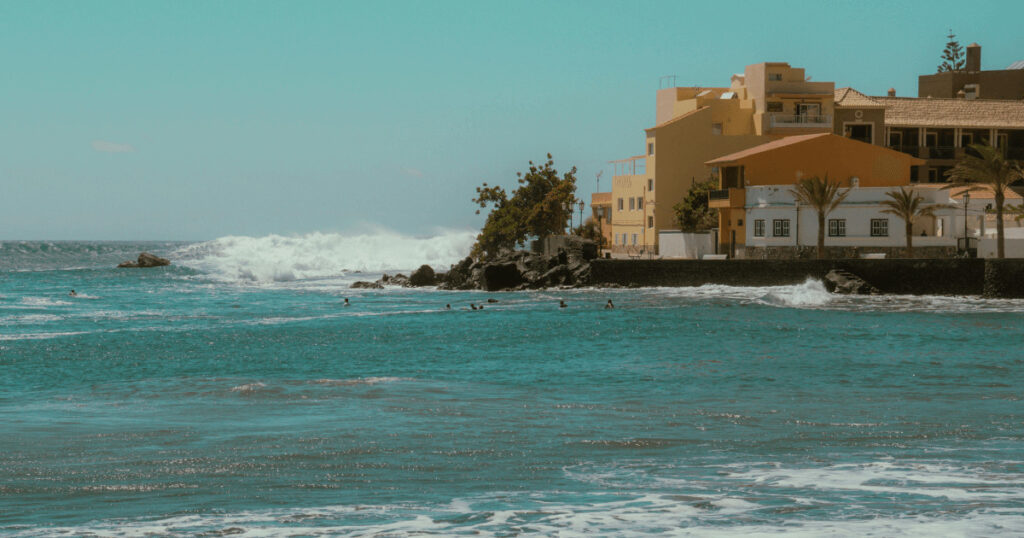
Most visitors stay within Punta Cana, La Romana, or Puerto Plata, and while these areas are lovely, they offer only one version of the island. With just a short drive or a small boat ride, everything shifts. What travelers often overlook is that the Dominican Republic is full of hidden beaches with no hotels or sunbeds in sight, waterfalls deep in the jungle accessible only by horseback or narrow hiking trails, cool mountain towns that feel worlds away from the Caribbean heat, and tiny coastal villages where life moves at a slow, easy rhythm.
Which hidden gem matches your travel style?
Not every hidden gem suits every traveler. Here is a quick guide to help you choose based on what you are looking for.
| Travel Style | Best Hidden Gems | Why |
|---|---|---|
| Romantic couples | Playa Rincón, Las Terrenas, El Limón | Empty beaches, jungle waterfalls, boutique atmosphere |
| Adventure seekers | Laguna El Dudú, Jarabacoa, Playa Frontón | Cliff jumping, river rafting, remote hiking |
| Nature lovers | Los Haitises, Bahía de las Águilas, El Limón | Protected ecosystems, wildlife, untouched coastline |
| Culture seekers | Los Haitises, Las Terrenas, Jarabacoa | Taíno history, local markets, authentic Dominican life |
| Snorkeling and diving | Isla Catalina, Playa Frontón | Protected reefs, crystal-clear water, minimal boat traffic |
| First-time to DR off-resort | Las Terrenas, Playa Rincón | Easiest access, some infrastructure, still authentic |
Not sure which region of the Dominican Republic is right for you?
If you are a couple planning your trip, our Dominican Republic Honeymoon Matcher quiz will tell you in 6 questions whether Punta Cana, Samaná, Las Terrenas, or Bayahibe suits your style best. Many of the hidden gems in this guide fall within the Samaná and Bayahibe results.
1. Playa Frontón: the most beautiful hidden beach in the Dominican Republic
What is Playa Frontón? Playa Frontón is a remote beach on the far edge of the Samaná Peninsula, framed by towering limestone cliffs with the ocean shifting between deep turquoise and emerald green. There are no resorts, no beach clubs, and no crowds: just raw nature at its most dramatic. It is one of the most genuinely secret beaches in the entire Caribbean and can only be reached by boat or a demanding hike.
Playa Frontón represents a completely different side of the island: wild, dramatic, and deeply peaceful. This beach feels worlds away from the polished image many people associate with the Punta Cana resort area. It is the perfect stop for travelers planning a romantic beach getaway or a quiet, nature-focused Dominican vacation where the experience comes from the journey as much as the destination itself.
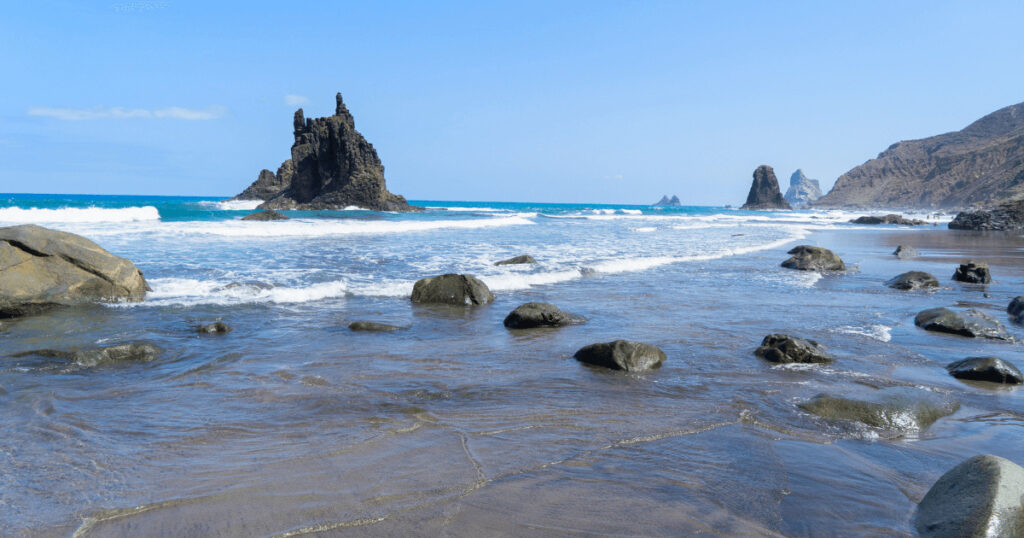
Why Playa Frontón remains a true secret beach: Playa Frontón has stayed off the radar precisely because it is not easy to reach. Unlike resort beaches, there is no paved road leading directly to the shore. Visitors must either take a boat from Las Galeras or hike through rugged terrain, a natural filter that keeps mass tourism away.
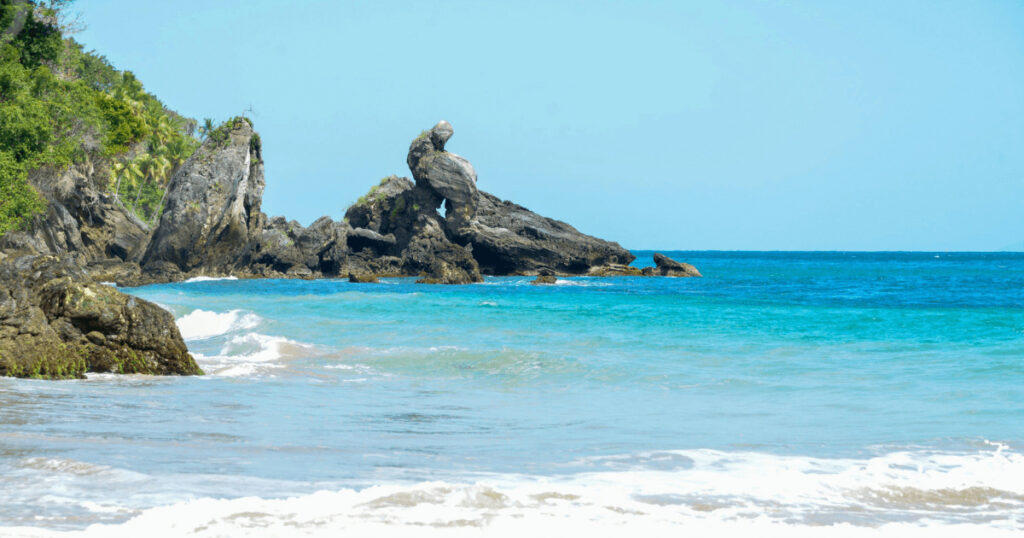
What makes this place one of the most authentic hidden Dominican gems is its untouched atmosphere: no large resorts or beach vendors, minimal human impact on the surrounding landscape, crystal-clear water ideal for swimming and snorkeling, and a sense of total escape rarely found in Caribbean destinations.
How to reach Playa Frontón: The easiest way is by boat from the small fishing village of Las Galeras. Local guides know the area well and can arrange a round-trip transfer, often combined with nearby beaches like Playa Madama. For more adventurous travelers, a guided hike offers a rewarding alternative, but proper shoes, water, and sun protection are essential. Arrive early and bring everything you need as there are no facilities on-site.
Playa Frontón is proof that some of the best places to visit in the Dominican Republic are not marked by signs. They are discovered by those willing to go a little further.
2. Los Haitises National Park: a secret world of mangroves and ancient caves
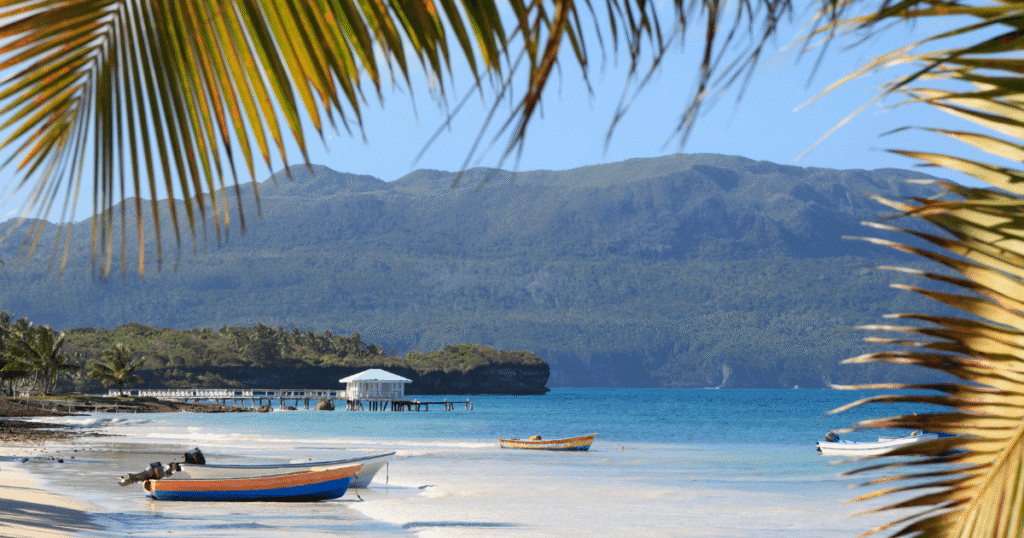
What is Los Haitises National Park? Los Haitises is a protected coastal reserve covering over 1,600 square kilometers of mangroves, limestone formations, dense jungle, and ancient Taíno cave art on the northeastern coast of the Dominican Republic. It can only be visited by boat and represents one of the most ecologically and historically significant places in the entire Caribbean.
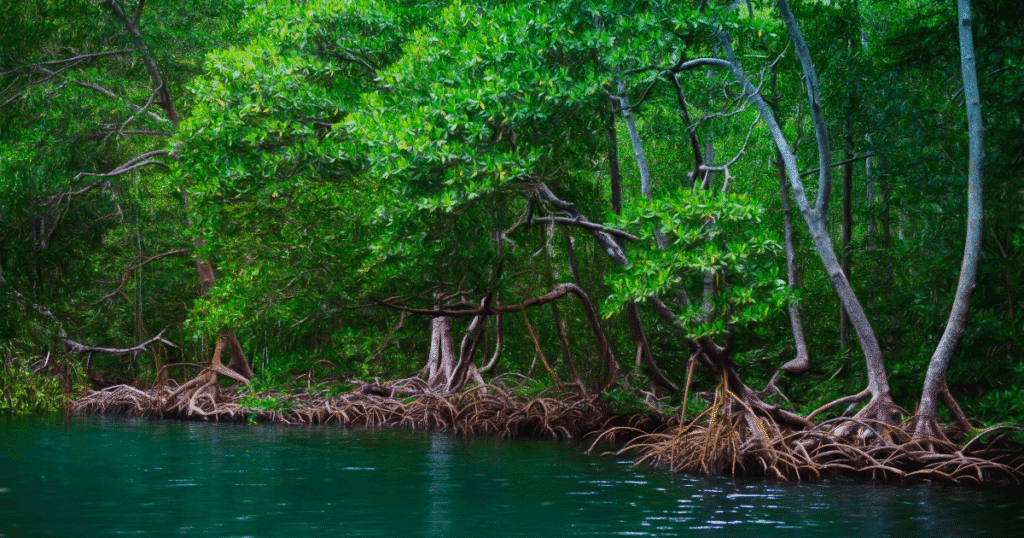
Located along the northeastern coast, this protected area is one of the most atmospheric Dominican Republic destinations beyond Punta Cana, where towering limestone formations rise from emerald-green mangroves. This is not a classic beach stop. Instead, Los Haitises offers a deeper connection to Dominican culture, nature, and history. Ancient caves, hidden waterways, and dense rainforest landscapes make it one of the most fascinating hidden Dominican gems for travelers looking to experience the island beyond the coast.
Unique wildlife and caves you will not find anywhere else: Los Haitises is home to one of the richest ecosystems in the Caribbean. Mangrove forests stretch for miles, creating natural tunnels where birds, fish, and marine life thrive. The park shelters dozens of bird species including pelicans, frigatebirds, and herons.
The park’s caves add another layer of mystery. Inside, you will find ancient Taíno petroglyphs and pictographs carved into stone walls, offering a rare glimpse into the island’s pre-Columbian past. These sacred spaces are a powerful reminder that Dominican culture existed long before modern tourism shaped the coastline.
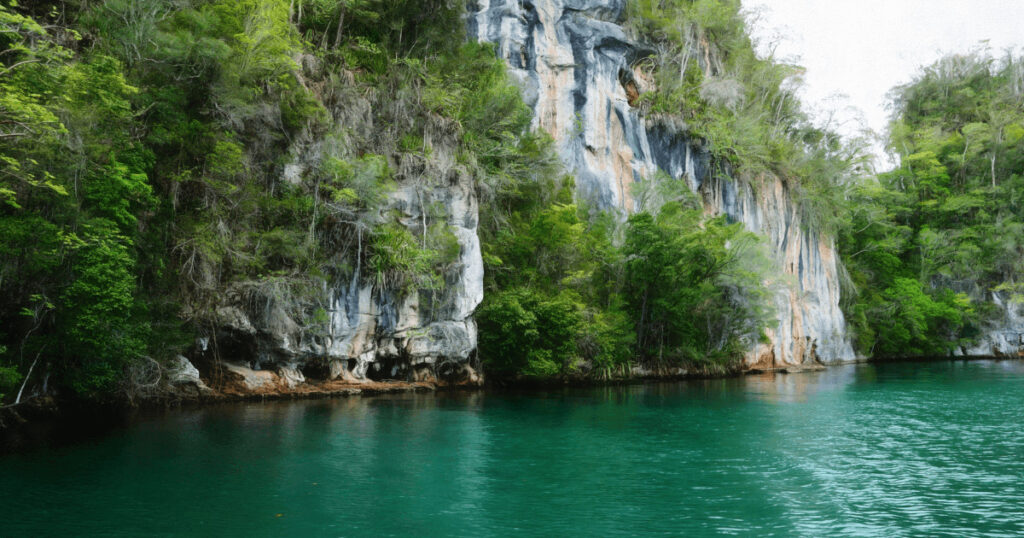
Best way to explore Los Haitises: The best way to experience Los Haitises is by guided boat tour, usually departing from Samaná or Sabana de la Mar. Floating through mangrove channels and gliding across calm waters is both peaceful and educational. One of the most important travel tips here is to choose an early-morning tour. The light is softer, wildlife is more active, and the park feels quieter and more intimate.
While Los Haitises is not a traditional beach destination, it pairs beautifully with nearby hidden beaches and coastal villages, creating a balanced itinerary of nature, culture, and relaxation. For travelers who want to go beyond postcard beaches and truly understand the soul of the island, Los Haitises is an unforgettable stop.
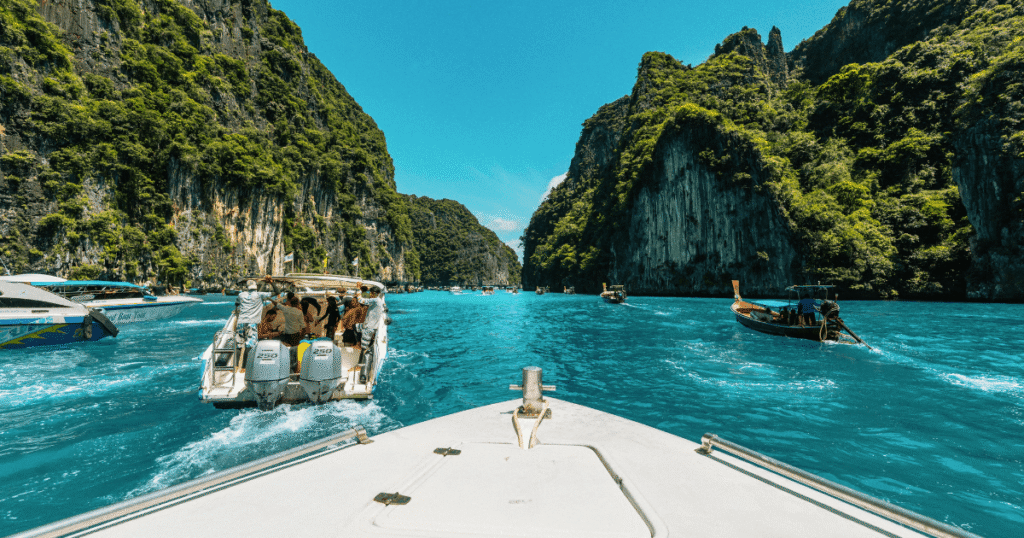
3. Bahía de las Águilas: one of the most breathtaking hidden Dominican gems
What is Bahía de las Águilas? Bahía de las Águilas is a six-mile stretch of completely undeveloped white-sand beach inside Jaragua National Park in the remote southwest of the Dominican Republic. There are no resorts, no beach bars, and no crowds. It is one of the most pristine natural beaches in the entire Caribbean and is protected by both its remote location and its national park status. It is also the destination where the Places to Visit article and this guide overlap intentionally: both mention it because it genuinely is the most beautiful beach in the country.
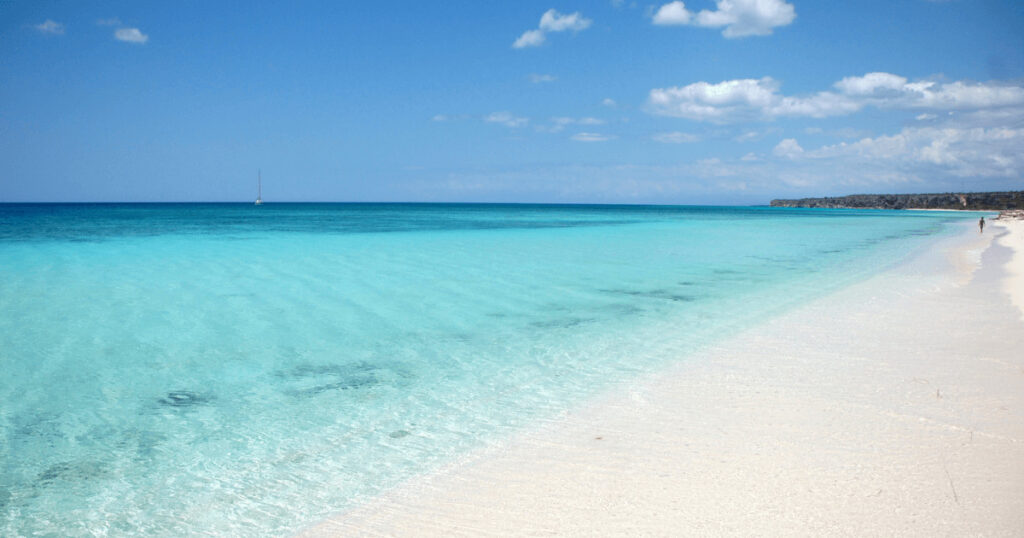
What makes Bahía de las Águilas truly special is its sense of scale and isolation. The beach stretches for several kilometers, yet it feels completely private. Even during high season, you will often find long sections of sand where it is just you, the ocean, and the wind. Couples in particular are drawn here for a romantic beach getaway that feels intimate and unspoiled.
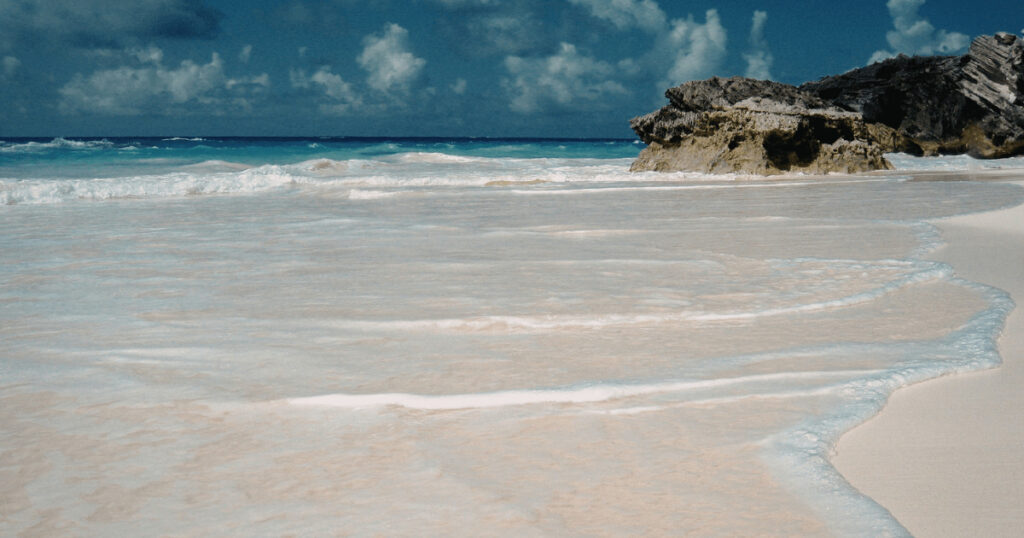
Without distractions, the experience becomes about simple moments: swimming in impossibly clear water, walking along empty shores, and watching the sun melt into the sea. Among all Dominican Republic destinations beyond Punta Cana, this beach stands out as a reminder that some of the most unforgettable places are not built. They are preserved.
How to visit: Most visitors access the beach by boat from the small village of La Cueva or through guided tours departing from Pedernales. Bring plenty of water, sunscreen, and snacks. There are no facilities or resorts nearby. Go early in the day for calmer seas and softer light. This area is protected so leave no trace.
4. Laguna El Dudú: a cliff-jumping paradise among the most adventurous hidden Dominican gems
What is Laguna El Dudú? Laguna El Dudú is a freshwater lagoon hidden deep in the lush greenery of the northern coast near Cabrera, surrounded by jungle, palm trees, and limestone formations. It is one of the most exciting hidden Dominican gems for travelers who love combining adventure with natural beauty. The contrast here is striking: calm, crystal-clear water below, and dramatic cliffs above.
Unlike resort-style attractions, El Dudú keeps its raw charm, making it a favorite among locals and adventurous travelers exploring Dominican Republic destinations beyond Punta Cana. You can float peacefully in turquoise freshwater, explore small caves, or jump from natural platforms into deep pools, all within a protected natural setting.
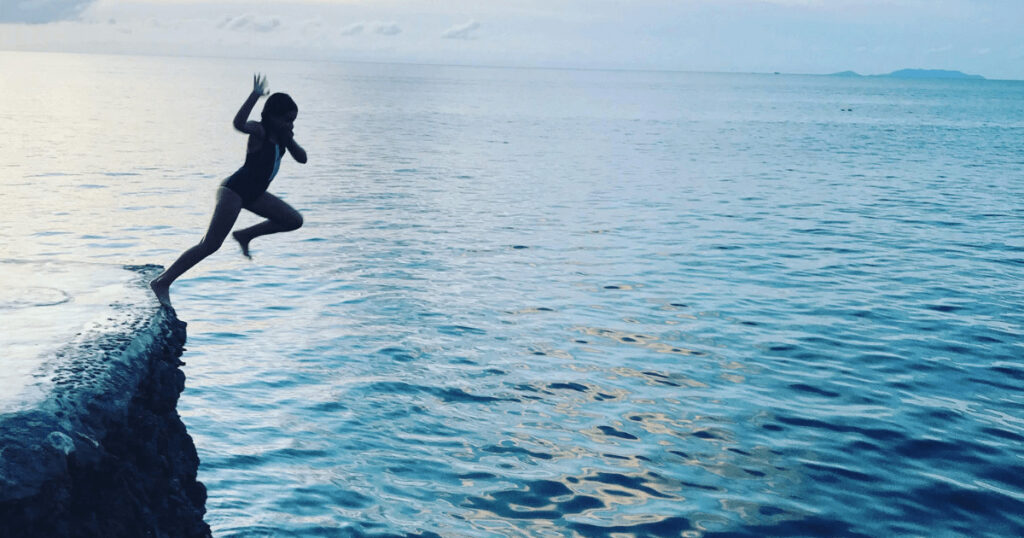
What truly elevates El Dudú is the atmosphere. There is no rush, no loud crowds, and no artificial setup. Instead you will find shaded jungle areas perfect for cooling down, natural rock formations ideal for cliff jumping, freshwater swimming spots surrounded by greenery, and a relaxed vibe that attracts couples and solo travelers alike. For couples, this stop adds a playful, adventurous twist to a Dominican vacation, especially when paired with quieter beach days elsewhere on the island.
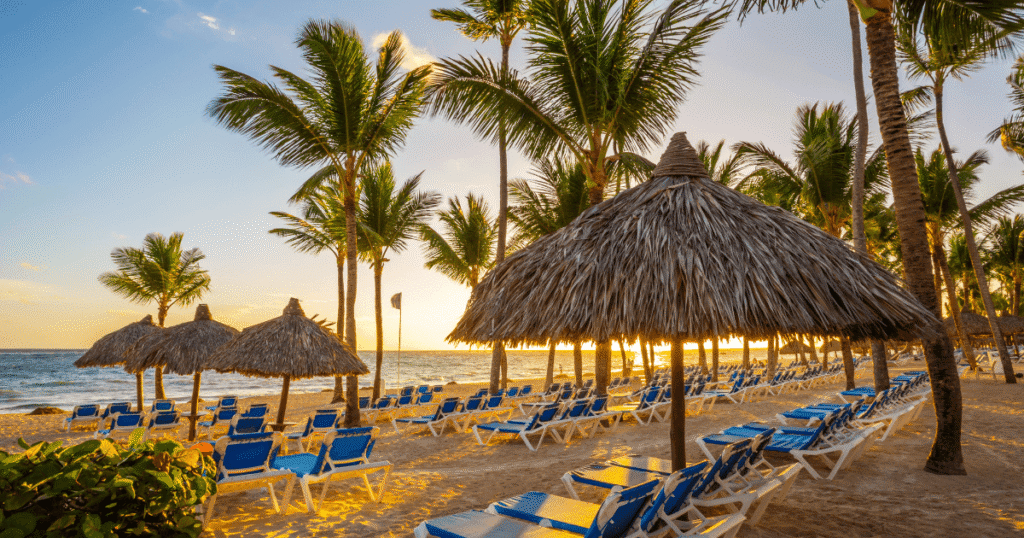
Practical tips: Laguna El Dudú is privately managed with a small entrance fee. Opening hours typically run from morning until late afternoon. Wear water shoes or sturdy sandals for rocky areas. Bring cash for the entrance fee and arrive earlier in the day for a quieter experience. Combine your visit with nearby coastal spots on the north coast for a full day.
5. Cascada El Limón: a secret waterfall worth the journey
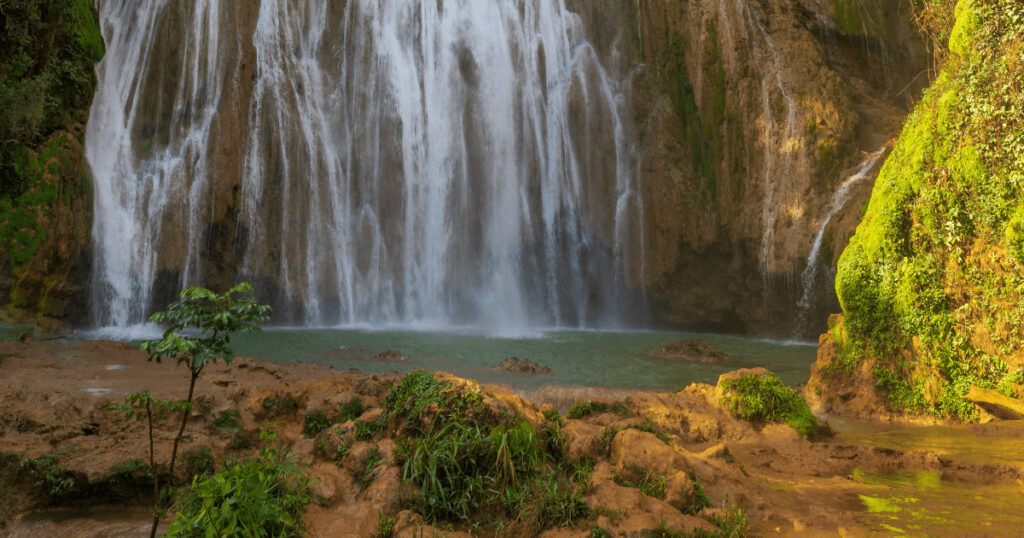
What is Cascada El Limón? Cascada El Limón is a 40-meter waterfall hidden in the lush hills of the Samaná Peninsula, reached by a guided trail through tropical forest, small rivers, and local farmland. It is one of those hidden Dominican gems that feels earned rather than simply visited. Unlike crowded viewpoints or quick roadside stops, El Limón invites you to slow down.
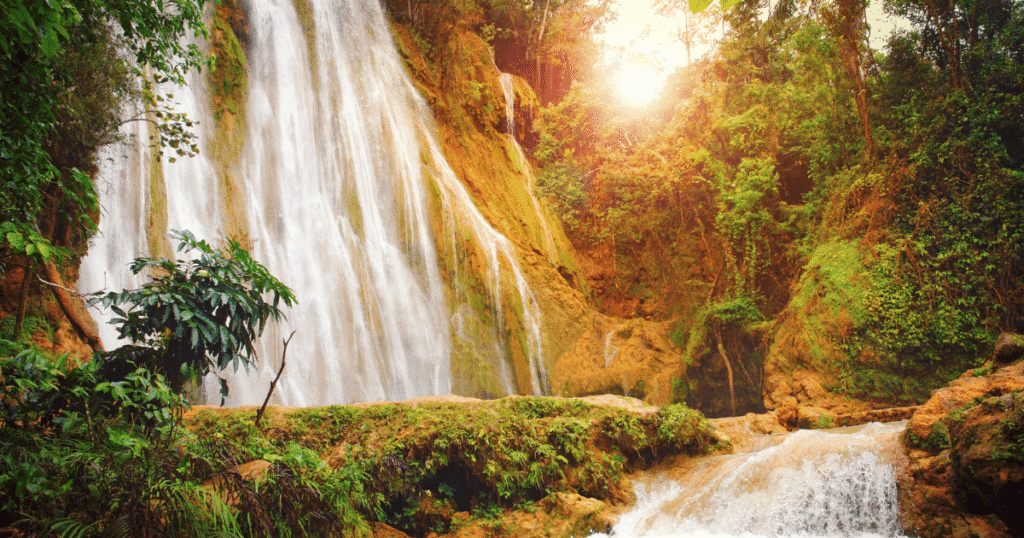
The sound of rushing water grows louder with every step, until the trail opens up to reveal a powerful waterfall cascading into a natural pool below. It is a refreshing contrast to the island’s beaches and a beautiful reminder of how diverse the Dominican Republic truly is. The most rewarding route is the guided trail starting near El Limón village, where local guides lead visitors along shaded paths through jungle vegetation and small rural communities, offering glimpses into everyday Dominican culture along the way.
When to visit: Early mornings are ideal if you want a calm, almost meditative atmosphere. Later in the day, especially during high season, the area becomes busier as tour groups arrive. The waterfall flows year-round but is most impressive after periods of light rain, when the surrounding jungle feels alive and vibrant. Horseback rides to the waterfall are available for travelers who prefer not to hike. Proper shoes and water are essential regardless of your route.
6. Isla Catalina: a quiet snorkeling escape among the most peaceful hidden Dominican gems
What is Isla Catalina? Isla Catalina is a small uninhabited island just off the southeastern coast near La Romana, surrounded by clear turquoise water and vibrant coral reefs in a protected marine area. It is a calmer, more intimate alternative to the busier catamaran trips, and one of the most serene hidden Dominican gems for snorkeling couples and underwater nature lovers.
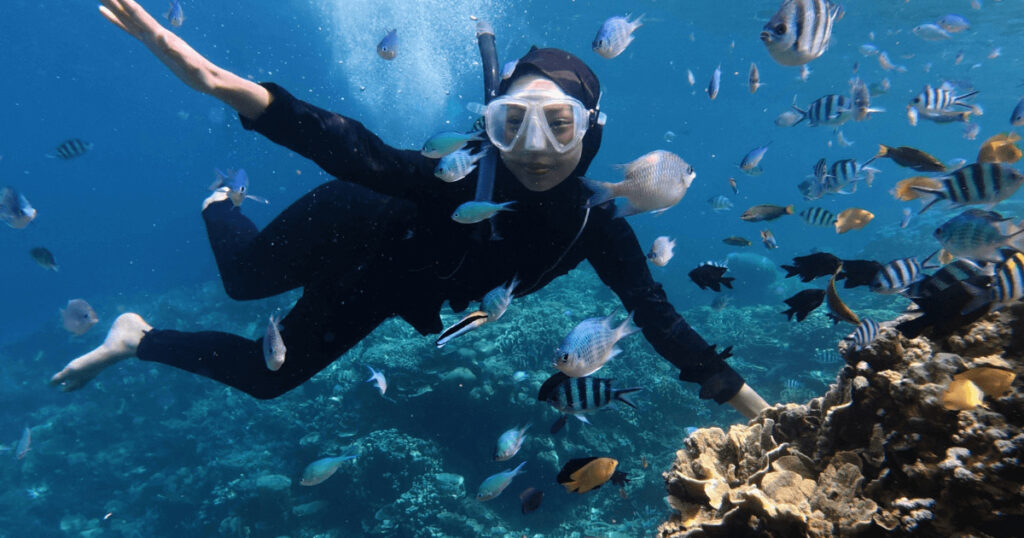
The waters surrounding Isla Catalina are part of a protected marine area, making them ideal for snorkeling. Coral formations sit close to the surface, and the visibility is often excellent even for beginners. Colorful fish move through the reefs, and the calm conditions make it easy to spend long, unhurried moments in the water. Tours usually limit visitor numbers, which helps preserve both the reefs and the experience itself.
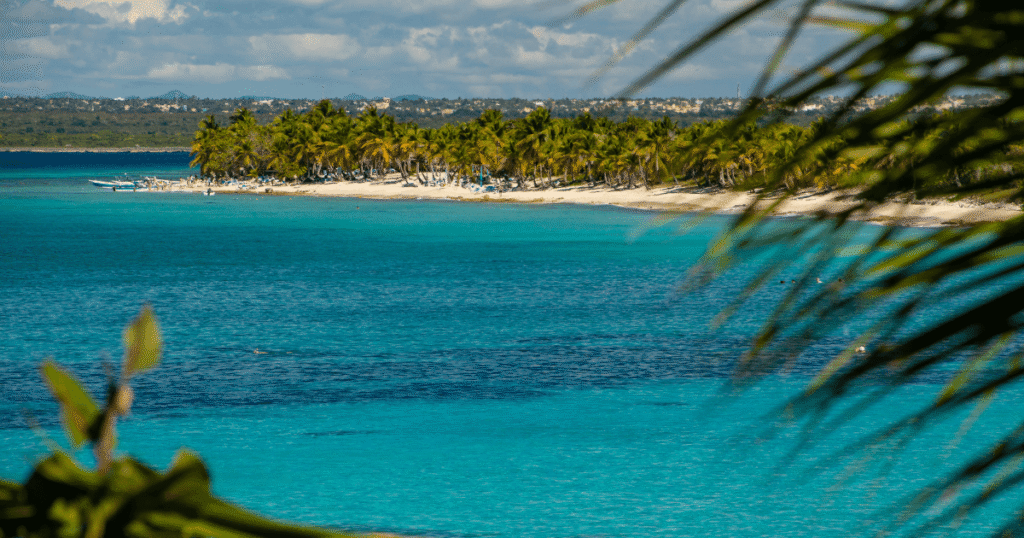
What makes Isla Catalina truly special is how effortlessly it balances accessibility and tranquility. It is easy to reach by boat from La Romana, yet it feels worlds away from the resort-heavy image often associated with the Punta Cana region. Couples in particular appreciate the peaceful atmosphere, which turns a simple beach day into a meaningful shared experience. For a broader look at the island’s best destinations including nearby Bayahibe, read our guide to the 10 Best Places to Visit in Dominican Republic.
7. Las Terrenas: a laid-back town full of soul and untouched beaches
What makes Las Terrenas a hidden gem? Las Terrenas is set on the northern edge of the Samaná Peninsula and is one of those hidden Dominican gems that quietly wins people over. At first glance it feels relaxed and unassuming, but spend a day here and you will quickly understand why so many travelers extend their stay. Unlike resort-heavy areas, Las Terrenas blends golden beaches, palm-lined streets, and a strong local rhythm shaped by decades of French expat influence and Dominican warmth.
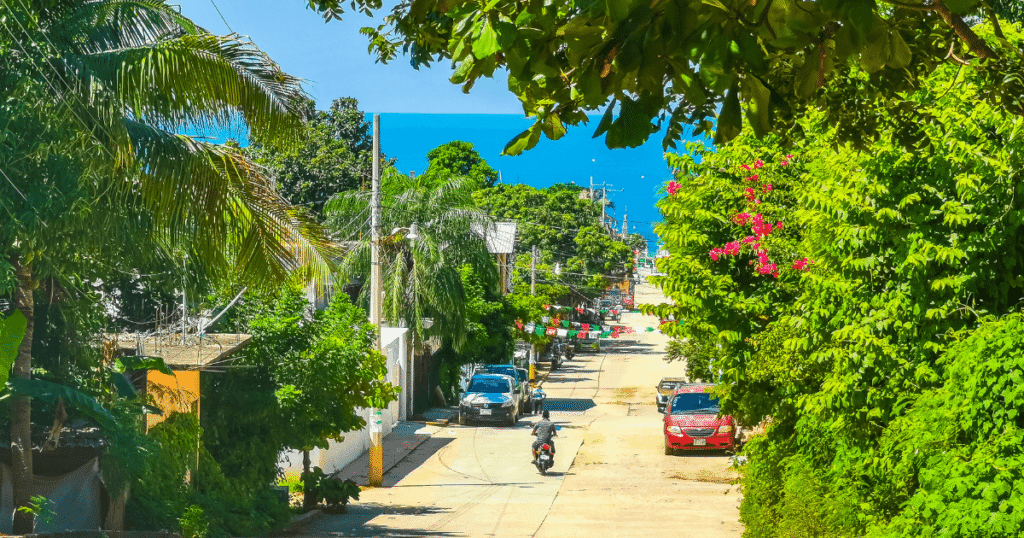
Among Dominican Republic destinations beyond Punta Cana, Las Terrenas stands out for its balance of comfort, authenticity, and effortless beauty. It is a place where barefoot walks, long lunches, and sunset swims feel completely natural. For couples, Las Terrenas offers the ideal setting for a romantic beach getaway: peaceful without feeling isolated, charming without feeling staged.
What truly elevates Las Terrenas among other coastal towns is the variety of nearby beaches, many of which remain surprisingly quiet. Just minutes outside the town center, you will find long stretches of sand backed by jungle, coconut palms, and small beach cafés that feel more local than touristic. Playa Cosón stretches for miles with barely a soul in sight. Playa Bonita is ideal for couples who want a swim before dinner.
Las Terrenas has a distinctly international feel, shaped by European influences and local Dominican traditions. Boutique hotels, beachside cafés, and open-air restaurants create a lifestyle-driven destination that still feels deeply connected to Dominican culture. Couples often fall in love with the simplicity here: mornings by the sea, afternoons exploring nearby beaches, and evenings enjoying fresh seafood with ocean views. For official information about coastal regions and sustainable tourism initiatives, visit the Dominican Republic Ministry of Tourism.
8. Jarabacoa: the Dominican Alps and hidden mountain trails
What is Jarabacoa? Jarabacoa is a mountain town in the central highlands of the Dominican Republic, often called the “Dominican Alps” for its cooler temperatures, pine forests, rivers, and waterfalls. It sits at around 500 meters above sea level in the Cordillera Central and offers a completely different experience from anything on the coast. It is one of the most refreshing hidden Dominican gems to explore, and one that most beach-focused visitors completely miss.
Jarabacoa shows just how diverse the Dominican Republic truly is. While many visitors associate the country only with beaches, this region proves that mountains, fresh air, and green valleys are just as much a part of the experience. It is a destination that feels grounding, peaceful, and deeply connected to nature. The area is filled with hiking trails leading to hidden waterfalls, panoramic viewpoints, and river valleys where time seems to slow down.
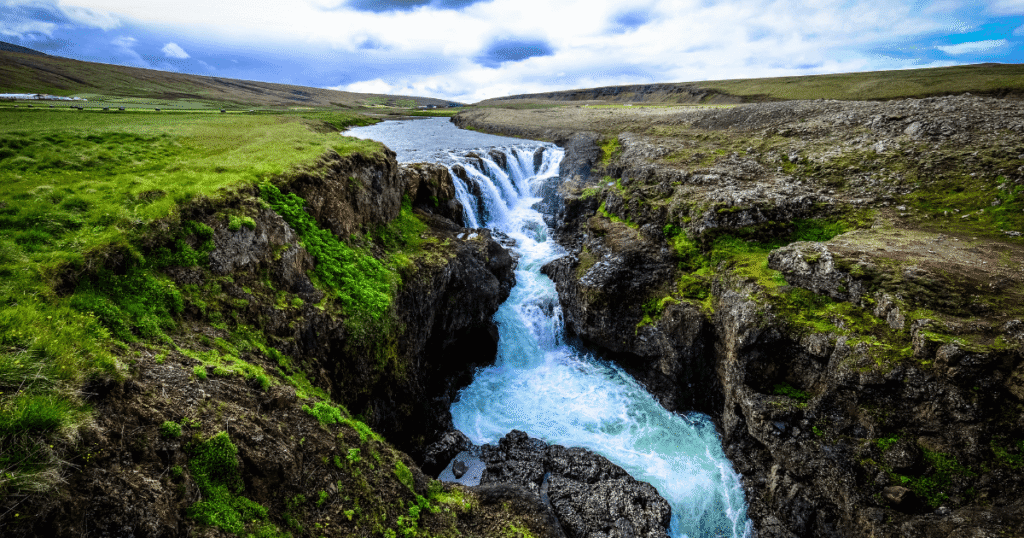
Swimming beneath waterfalls, walking along mountain paths, or simply enjoying the silence becomes part of the experience. For couples, these quiet moments add depth to a Dominican vacation, offering shared experiences beyond the typical beach routine. Jarabacoa also offers insight into Dominican culture away from the tourist trail: local markets, family-run eateries, and community life feel authentic and welcoming.
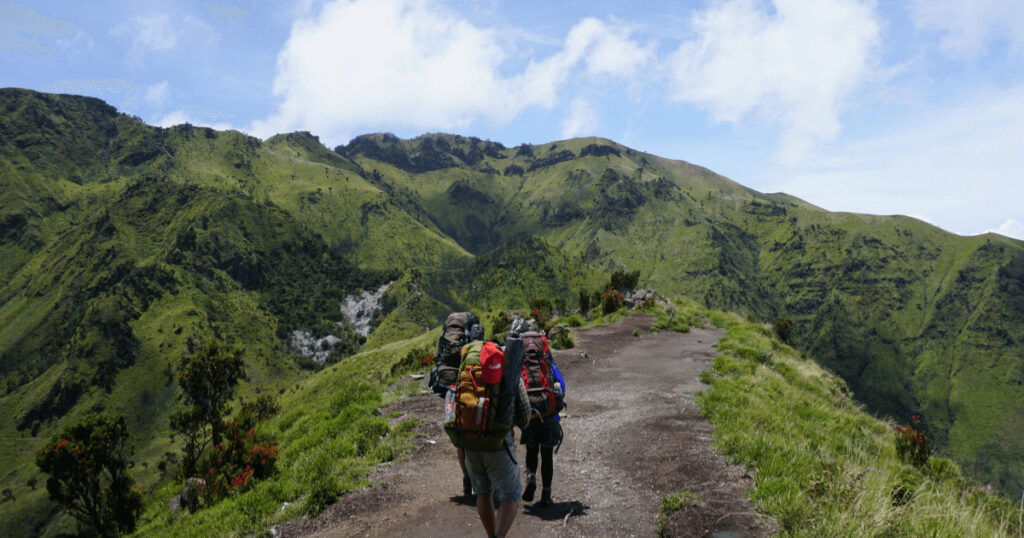
As one of the most unexpected hidden Dominican gems, Jarabacoa is ideal for travelers who want contrast in their itinerary: mountains after beaches, cool air after tropical heat, and reflection after adventure. It is proof that some of the best places to visit in the Dominican Republic are not found along the shoreline, but high above it.
9. Playa Rincón: a secret tropical bay for pure relaxation
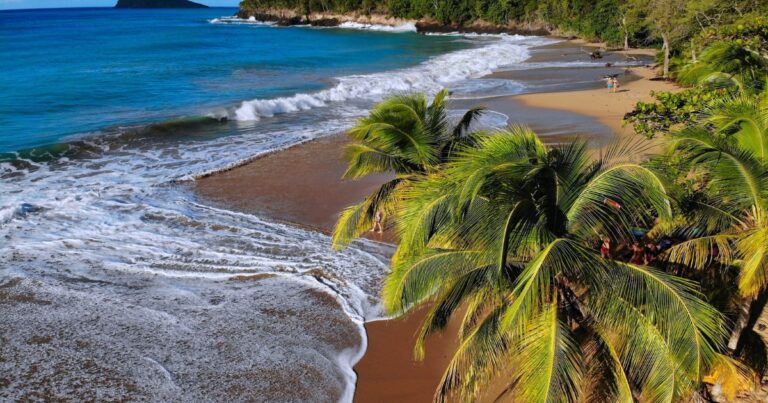
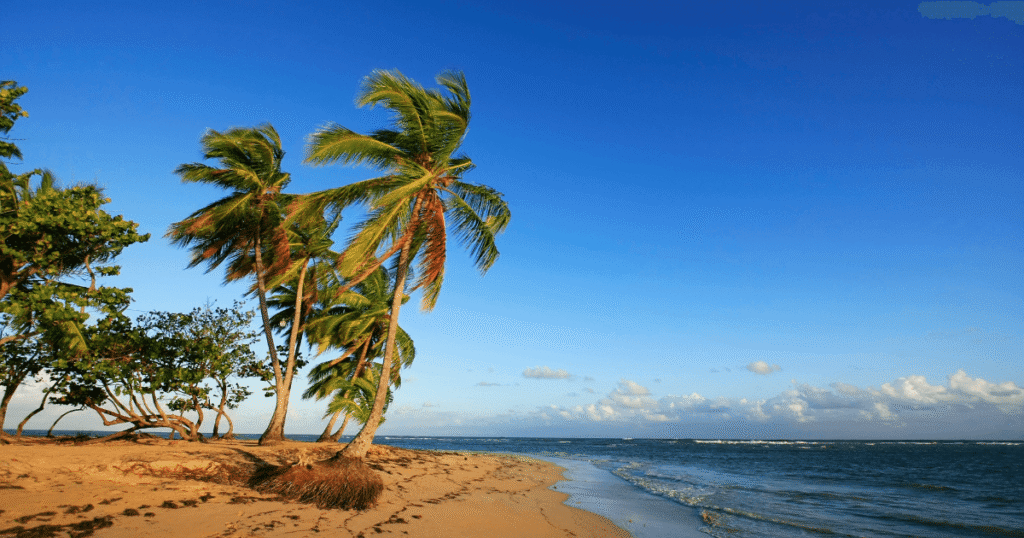
What is Playa Rincón? Playa Rincón is a long, curved bay on the northeastern edge of the Samaná Peninsula, consistently ranked among the most beautiful beaches in the Caribbean. It combines soft golden sand, calm turquoise water, and lush green hills in the background. No towering resorts, no loud crowds, just nature, space, and an effortless sense of calm. It is spacious, quiet, and refreshingly free from large-scale development.
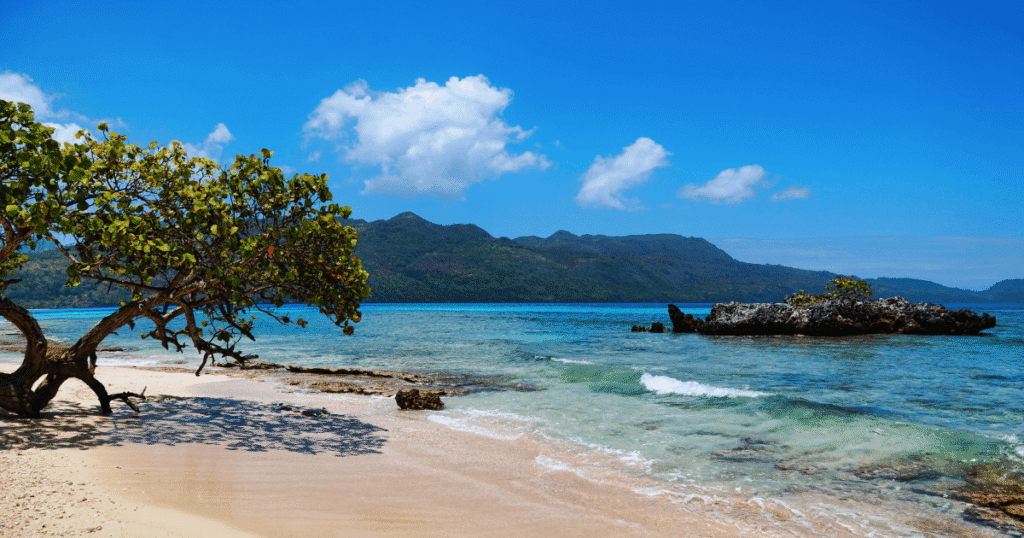
What makes Playa Rincón so special is how untouched it feels despite its reputation. The beach stretches for kilometers, which means even when a few visitors arrive, it never feels crowded. Palm trees line the shore, small local restaurants sit discreetly at one end of the bay, and the water remains shallow and inviting. This is one of those hidden beaches Dominican Republic travelers often dream about when imagining a true Caribbean escape.
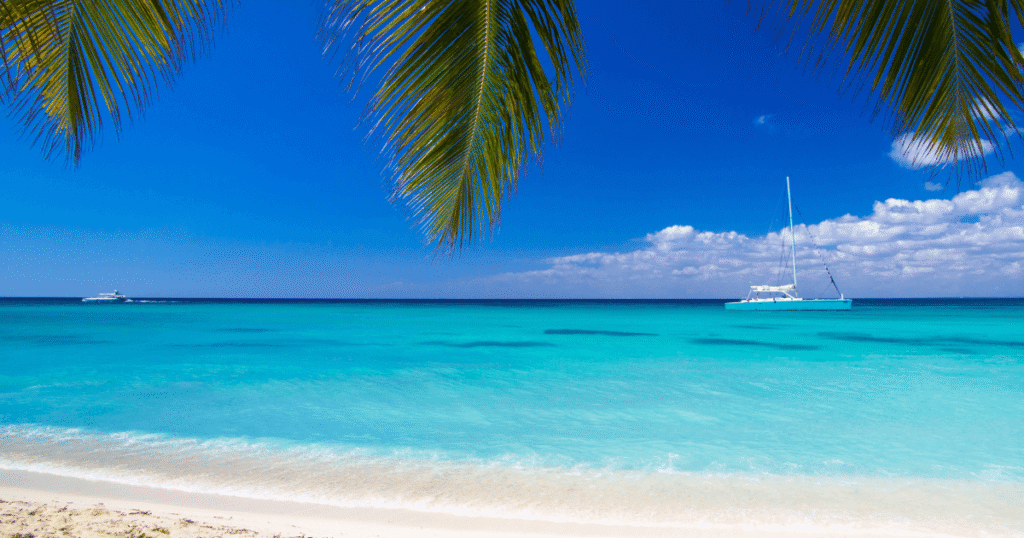
Couples are especially drawn here for a romantic beach getaway: long walks, quiet swims, and uninterrupted time together become the highlight of the day. Reaching Playa Rincón requires a bit of effort. Most travelers arrive either by boat from Las Galeras or via a rough road that winds through countryside and hills. Bring water, sunscreen, and cash for local food. There are no luxury facilities, but that is exactly what preserves its magic.
10. Cabo Francés Viejo: a dramatic clifftop escape
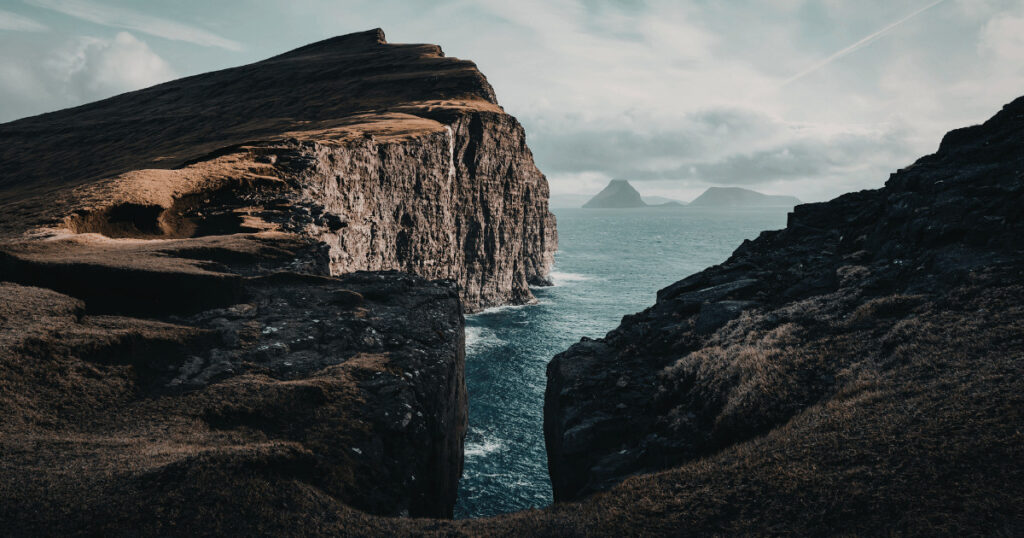
What is Cabo Francés Viejo? Cabo Francés Viejo is a remote clifftop lighthouse on the island’s northern coast, perched high above the Atlantic Ocean where steep green cliffs plunge into deep blue water and the horizon seems endless. This is not a beach destination. It is a place of wind, waves, and wide-open space that invites reflection and offers a completely different kind of beauty from anywhere else in the Dominican Republic.
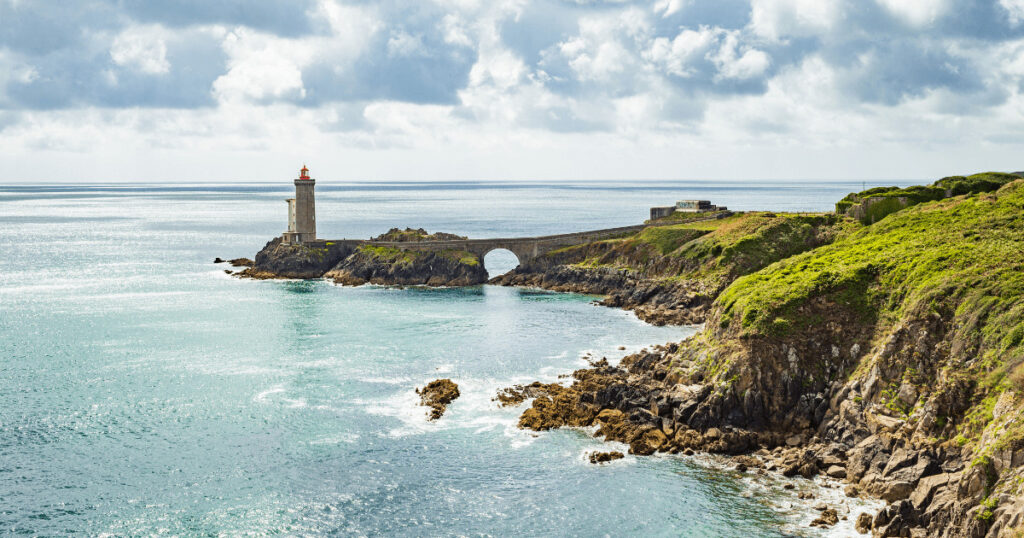
Cabo Francés Viejo has long served as a navigational landmark for sailors traveling along the northern coast. The lighthouse itself stands as a quiet reminder of the Dominican Republic’s maritime history: functional, simple, and shaped by necessity rather than tourism. This area has never been developed into a mainstream attraction, which is exactly why it remains one of the most authentic hidden Dominican gems. Locals know it, fishermen respect it, but few travelers ever make the journey here.
The views from Cabo Francés Viejo are nothing short of breathtaking. On clear days, the contrast between emerald cliffs and dark blue ocean creates scenes that feel straight out of a travel magazine. Sunset is the golden hour here. For couples, it is a quiet, meaningful stop: less about romance in the traditional sense, and more about shared silence and awe.
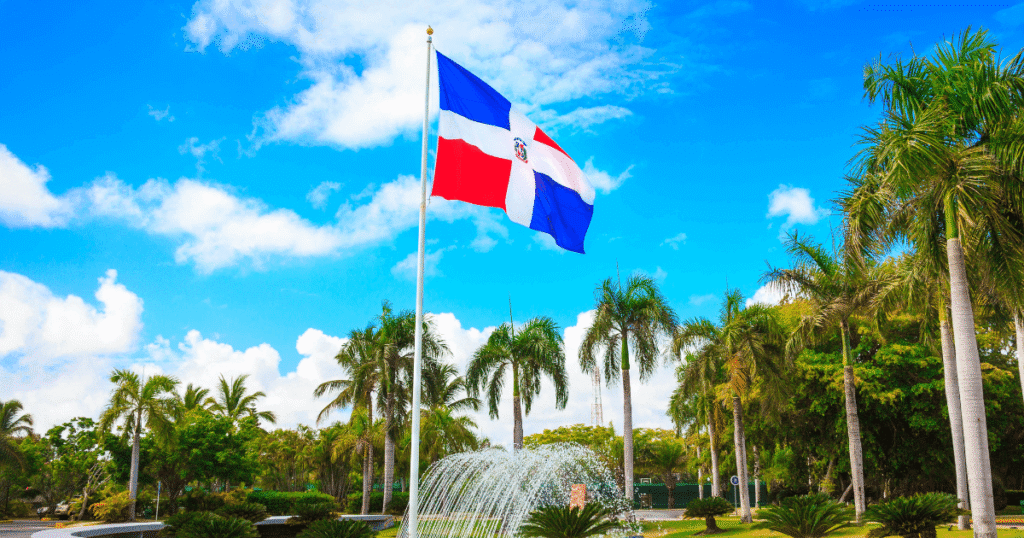
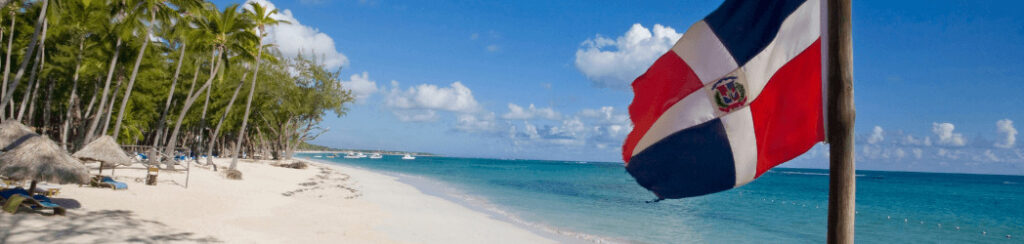
Seeing the Dominican Republic flag waving near the cliffs against the ocean backdrop is a powerful visual moment, one that captures pride, identity, and the island’s connection to the sea. It is a fitting final chapter for a journey through the island’s most unforgettable hidden Dominican gems.
How to visit these hidden gems safely and comfortably
Exploring hidden Dominican gems often means leaving the comfort of well-known tourist routes, and that is exactly what makes the experience so special. With a bit of preparation and common sense, visiting these lesser-known places is both safe and deeply rewarding.
Transportation: Many hidden beaches and natural spots are best reached by local boats, guided tours, or rental cars rather than organized resort excursions. Hiring local guides not only makes navigation easier but also supports nearby communities and offers valuable insight into Dominican culture.
Safety: Stick to daylight hours, carry enough water, and let someone know your plans when visiting remote areas. These simple precautions go a long way in ensuring a relaxed and worry-free experience.
Best time to visit hidden gems in the Dominican Republic: The best months are December to April, when dry weather and calm seas create ideal conditions. For a full breakdown of timing by region and travel style, read our Best Time to Visit Dominican Republic guide with month-by-month matrix.
The rainy season usually runs from late summer to early fall, bringing lush landscapes but also occasional downpours. For fewer crowds and pleasant weather, late spring and early winter offer a perfect balance, especially if you are seeking Dominican Republic destinations beyond Punta Cana. Late April and May in particular are excellent for hidden gem visits: conditions are still good, prices drop, and you will share these places with very few other tourists.
What to pack for hidden beaches and waterfalls: Bring sturdy sandals or water shoes, reef-safe sunscreen, insect repellent, a reusable water bottle, and a lightweight daypack. Carry cash as many of these locations have no card payment options. Bring your own food and water for the most remote spots. These basics make exploring the hidden side of the Dominican Republic far more enjoyable.
Why travelers fall in love with these hidden Dominican gems
Beyond the landscapes, it is the feeling that stays with you. These places invite you to slow down, disconnect, and experience the island on a deeper level, away from schedules, crowds, and expectations. Hidden gems naturally encourage slower travel. Days are shaped by light, weather, and curiosity rather than itineraries, creating space for genuine connection and discovery.
Whether it is a quiet swim at sunset, a jungle trail shared with locals, or standing above the ocean with the wind in your hair, these moments turn a simple trip into something personal. That is why hidden Dominican gems so often become the highlights of an unforgettable Dominican vacation for couples or solo travelers alike.
The Dominican Republic is more than a destination. It is a feeling. When you step away from the resorts and explore its quieter corners, you discover places that stay with you long after the journey ends. These hidden Dominican gems are not about ticking locations off a list. They are about slowing down, following curiosity, and creating moments that feel personal and real. Whether you are planning a romantic escape or simply searching for deeper travel experiences, this side of the island invites you to see the Dominican Republic differently.
For more inspiration on planning your trip, read our guides to the 10 Best Places to Visit in Dominican Republic and the perfect Dominican Republic Honeymoon.
Frequently Asked Questions: Hidden Gems Dominican Republic
What are the best hidden gems in the Dominican Republic?
The best hidden gems are Playa Frontón (remote clifftop beach, boat access only), Los Haitises National Park (mangroves and Taíno cave art), Bahía de las Águilas (six miles of pristine untouched coastline), Laguna El Dudú (freshwater cliff-jumping lagoon), Cascada El Limón (40-meter jungle waterfall in Samaná), Isla Catalina (quiet snorkeling island near La Romana), Las Terrenas (cosmopolitan beach town with French Caribbean soul), Jarabacoa (mountain town with waterfalls and pine forests), Playa Rincón (one of the most beautiful beaches in the Caribbean), and Cabo Francés Viejo (dramatic clifftop lighthouse above the Atlantic).
What is the most beautiful hidden beach in the Dominican Republic?
Bahía de las Águilas is the most beautiful hidden beach: six miles of pristine white sand inside Jaragua National Park with no hotels or facilities. Playa Frontón in Samaná is a close second, with dramatic limestone cliffs and boat-only access. Playa Rincón on the Samaná Peninsula is consistently ranked among the most beautiful and least crowded beaches in the entire Caribbean.
What is the difference between this hidden gems guide and the places to visit guide?
The places to visit guide covers the best overall destinations for first-time visitors including popular and accessible spots. This hidden gems guide focuses specifically on lesser-known, harder-to-reach, more locally authentic destinations that require more effort but reward that effort with genuine solitude and authenticity. These are for repeat visitors, slow travelers, and anyone who wants to go beyond the all-inclusive resort circuit.
How do you reach Playa Frontón?
Playa Frontón is reached by boat from Las Galeras (20 to 30 minutes) or by guided hike through rugged terrain. Local guides in Las Galeras arrange round-trip transfers, often combined with nearby Playa Madama. There are no facilities at the beach so bring everything you need.
What is the best time to visit the hidden gems in the Dominican Republic?
December to April for the most reliable conditions. April and early May are particularly good: weather remains excellent while prices drop and crowds thin significantly. Avoid August and September at remote locations due to hurricane season risk. Read the full Best Time to Visit Dominican Republic guide for a month-by-month breakdown.
Which hidden gems are best for couples?
The best hidden gems for couples are Playa Rincón (most beautiful uncrowded beach), Las Terrenas (cosmopolitan boutique atmosphere), Cascada El Limón (romantic horseback ride to a jungle waterfall), Bahía de las Águilas (total isolation and white sand), and Laguna El Dudú (adventurous freshwater lagoon). Use the Honeymoon Matcher quiz above to find which DR region suits your couple profile best.
Is Jarabacoa worth visiting?
Absolutely. Jarabacoa sits at 500 meters above sea level in the Cordillera Central with cooler temperatures, pine forests, mountain waterfalls, river rafting on the Yaque del Norte, and hiking trails toward Pico Duarte (3,098 meters, the highest peak in the Caribbean). It pairs beautifully with two to three beach days in Samaná or Punta Cana as part of a longer Dominican Republic trip.
Are the hidden gems in the Dominican Republic safe to visit?
Yes, with basic precautions: stick to daylight hours, hire a local guide for remote areas and boat trips, carry enough water and supplies, and let someone know your plans at very remote locations. The Dominican Republic welcomed over 5.6 million tourists in the first five months of 2026, and areas like Samaná, Las Terrenas, and Jarabacoa have well-established local tourism infrastructure even if they feel off the beaten path.