
Last Updated: July 2026
Affiliate Disclosure: Beyond the Coast participates in affiliate programs including Booking.com, Viator, GetYourGuide, and Sandals Resorts. If you purchase through links on our site, we may earn a small commission at no extra cost to you.
10 Life-Changing Dominican Republic Travel Tips for 2026 (From Someone Who’s Been)
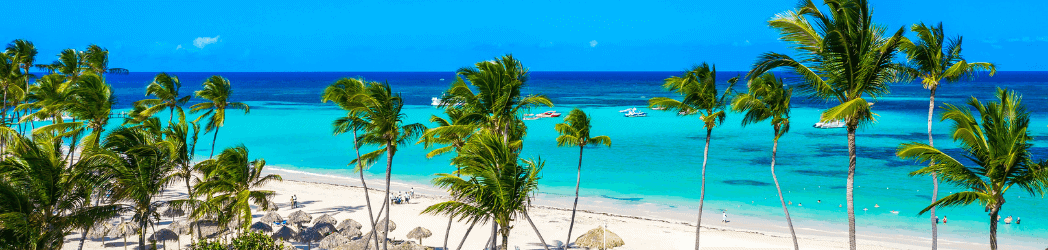
The Dominican Republic isn’t just a place, it’s an awakening. Between turquoise coastlines, dancing palms, and mountain hideaways, every moment invites you to slow down and truly feel. This guide covers everything you actually need to know before you go: when to visit, how to budget, where to stay, how to get around, what to pack, and the mistakes that trip up almost every first-timer. If you want inspiration instead — the best beaches, the most breathtaking viewpoints, the hidden corners few tourists find — those live in our Breathtaking Places to Visit and Hidden Gems guides. This one is your practical playbook.
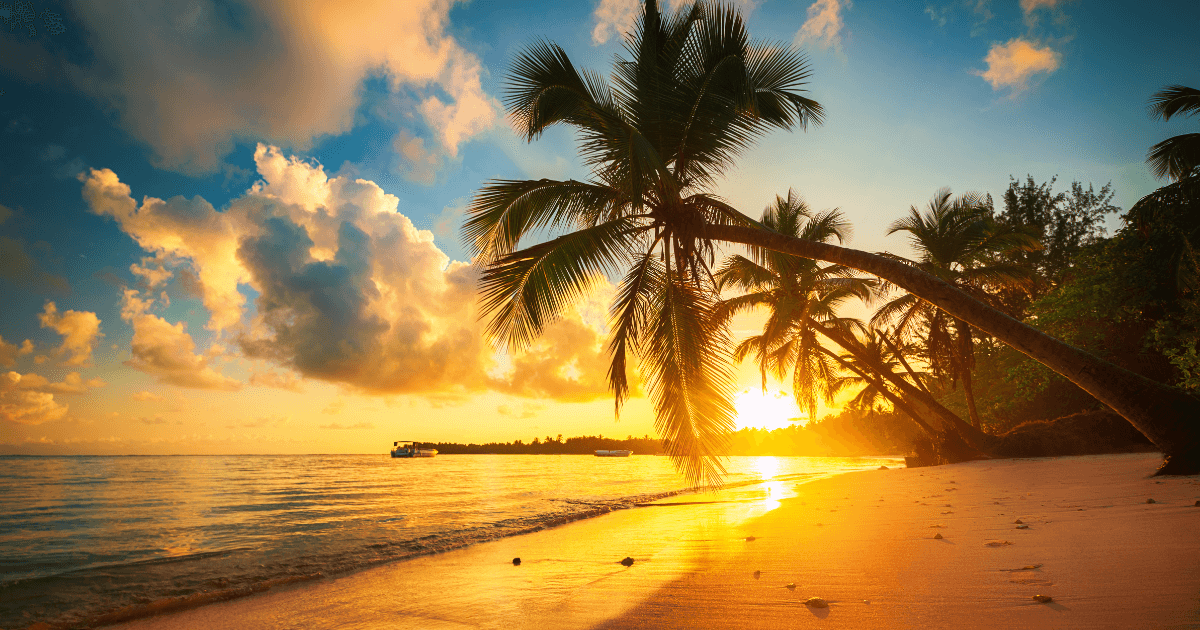
Expert Summary
The Dominican Republic’s dry season (December–April) offers the calmest seas and sunniest days, but May–November brings lower prices, fewer crowds, and lush green landscapes — hurricane risk peaks August–October. Budget roughly $80–150/day for a comfortable mid-range trip, less if you stay outside the Punta Cana resort bubble. Renting a car gives the most freedom, but private transfers and Caribe Tours buses are safe, affordable alternatives. Pack light, breathable fabrics, reef-safe sunscreen, and a rain jacket regardless of season. Book accommodation 2–3 months ahead for the December–April peak, and consider a locally-owned guesthouse over an all-inclusive chain for a more authentic (and community-supporting) trip.
Planning the whole trip? This guide focuses on practical, before-you-go essentials. For destination inspiration and full itineraries, browse our complete Dominican Republic hub.
When Is the Best Time to Visit the Dominican Republic?

Quick answer: December through April is the dry season — sunny, low humidity, calm seas, and the busiest (and priciest) time to visit. May through November is the wet season, with warm afternoon showers, noticeably lower prices, and far fewer crowds, but with hurricane risk concentrated in August, September and October.
| Season | Months | Best For | Watch Out For |
|---|---|---|---|
| Dry season | Dec–Apr | Honeymoons, beach days, festivals | Higher prices, book early |
| Shoulder months | May, Nov | Value + good weather balance | Occasional afternoon rain |
| Green season | Jun–Jul | Budget travel, lush landscapes | Humidity, short showers |
| Hurricane peak | Aug–Oct | Deepest discounts | Storm risk, travel insurance essential |
Whichever season you choose, the Dominican Republic rarely disappoints. Between December and April, the island glows under near-constant blue skies, ideal for beach lovers and honeymooners chasing winter sun. From May through November, showers arrive mostly in short afternoon bursts, the rainforests turn a deeper green, and you’ll see the everyday rhythm of Dominican life without the crowds.
If your trip is flexible, aim for late November or early May: you get dry-season weather without dry-season prices. For a month-by-month cost and crowd breakdown, we’re building a dedicated Best Time to Visit the Dominican Republic guide — check back soon, or follow along on Pinterest for the update.
Getting There & Entry Requirements
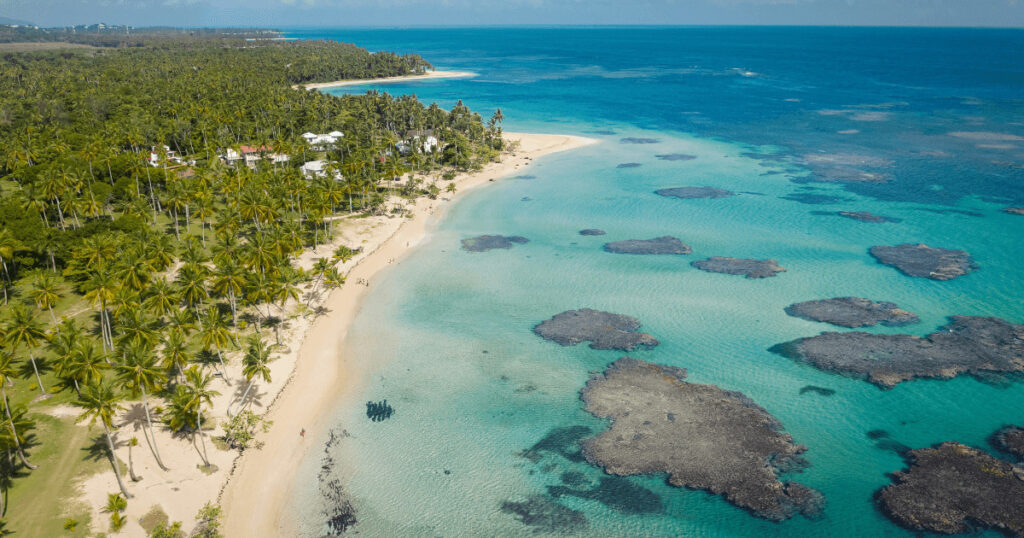
Most international visitors fly into one of the country’s main airports: Punta Cana International Airport (PUJ) for the eastern resort coast, Las Américas International Airport (SDQ) near Santo Domingo, or Puerto Plata (POP) and El Catey (AZS) for the north coast and Samaná.
- Tourist card / entry: Most nationalities (including EU, UK, US and Canadian passport holders) no longer need to pay a separate tourist card — it’s built into the airfare or collected automatically on arrival. Always confirm current requirements on the official government travel advisory before you fly, since entry rules can change.
- Passport validity: Keep at least six months of validity remaining from your entry date.
- Flight time: Roughly 8–9 hours from most European hubs, and 3–4.5 hours from the US East Coast.
- Airport transfers: Pre-book a transfer or arrange a taxi through your hotel if you’re landing after dark — it’s the easiest way to avoid haggling with unofficial drivers at arrivals.
Staying Connected: SIM Cards & Wi-Fi
Resort and hotel Wi-Fi is generally reliable in Punta Cana, Santo Domingo, and Santiago, but it can be patchy in Samaná, Las Terrenas, and more rural inland areas. Picking up a local prepaid SIM at the airport, or an eSIM before you fly, is the most reliable way to stay connected for maps, ride-share apps, and translation tools once you’re outside the resort bubble. If you’re combining the Dominican Republic with other trips this year, an eSIM you can top up remotely is worth the small extra cost, especially useful for the offline-map gaps mentioned in the Safety section below.
Money & Budget: What Does a Dominican Republic Trip Really Cost?
The Dominican Peso (DOP) is the local currency, though US dollars are widely accepted in tourist zones — you’ll usually get a better rate paying in pesos. ATMs are common in cities and resort areas; withdraw pesos rather than exchanging cash at the airport, where rates are weakest.
| Travel Style | Daily Budget (per person) | What’s Included |
|---|---|---|
| Budget / backpacker | $40–70 | Guesthouse, local eateries, public buses |
| Mid-range | $80–150 | Boutique hotel, mix of local & tourist dining, some tours |
| Luxury | $250+ | Beachfront resort, private transfers, excursions |
A few money-saving habits make a real difference: eat where locals eat rather than at hotel buffets, use registered taxis or ride-share apps instead of flagging unmetered cars, and travel between towns by Caribe Tours or Metro bus rather than private transfer when your schedule allows. Tipping around 10% is customary in restaurants (check if a service charge is already included), and small tips for tour guides and drivers are always appreciated.
Curious what a full honeymoon budget looks like, resort-by-resort? That breakdown is coming soon in our Dominican Republic Honeymoon Cost guide — in the meantime, see How to Plan the Perfect Dominican Republic Honeymoon.
The Best Way to Get Around the Island
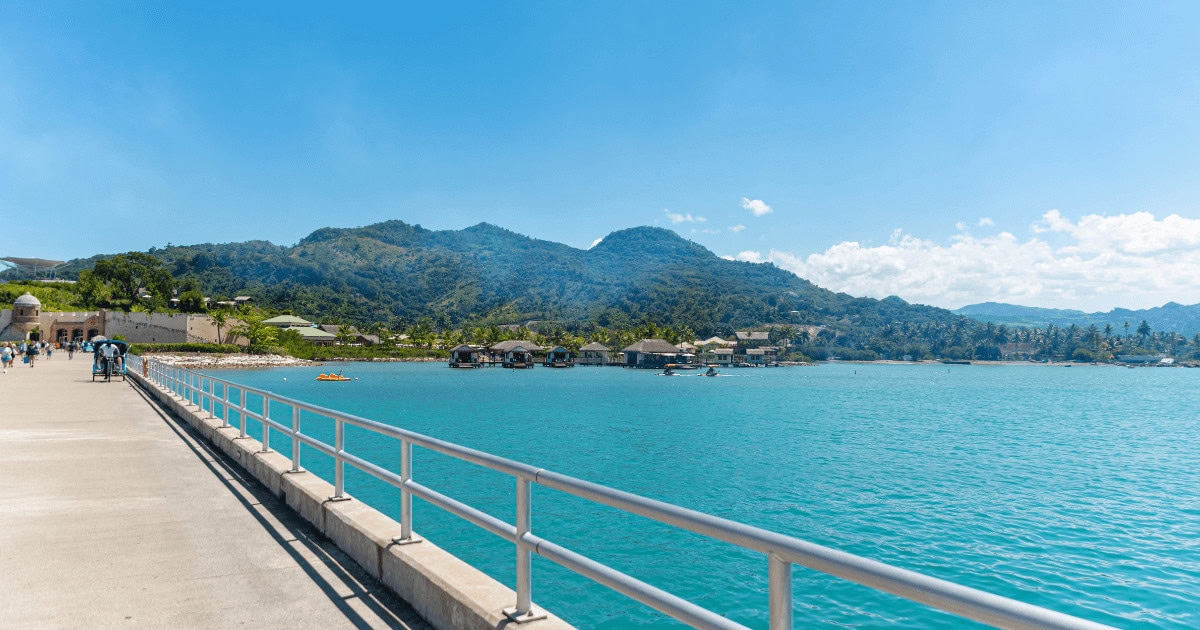
To truly experience the Dominican Republic, you need to see it beyond resort walls. Choosing how to get around is more than logistics, it’s the key to unlocking the island’s freedom.
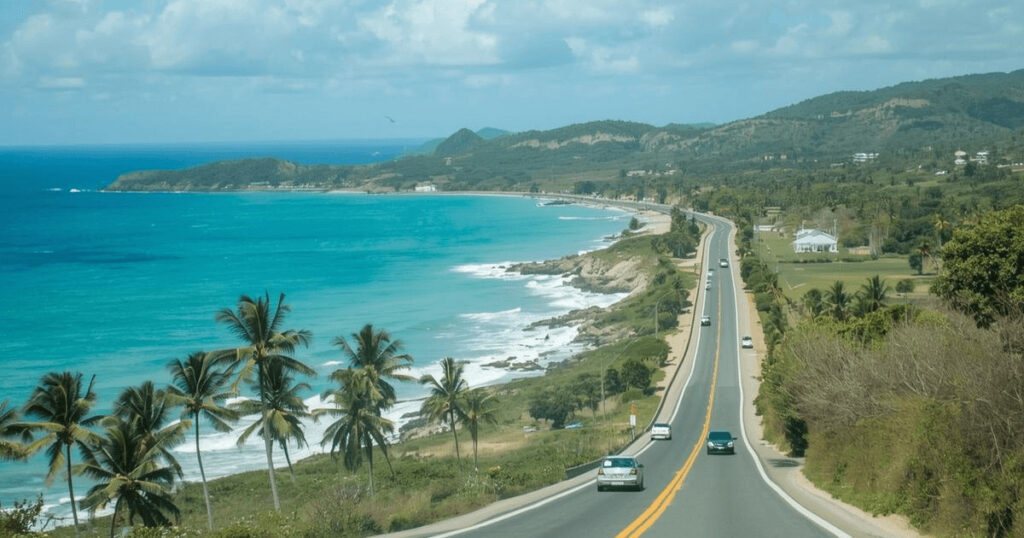
For travelers seeking flexibility, renting a car is often the best way to experience the country on your own terms. Major highways connect Punta Cana, Santo Domingo, and Santiago efficiently, making self-driving an easy way to reach places like Jarabacoa or Las Terrenas at your own pace. Plan routes in advance, rely on offline maps, and avoid driving after dark outside urban areas.
If you’d rather not drive, private transfers and hotel-organized shuttles are safe and comfortable, especially for airport-to-resort routes. For longer distances between cities, Caribe Tours and Metro buses are affordable, air-conditioned, and well-maintained. For short hops within a town, motoconchos (motorbike taxis) are everywhere — always agree on the price before you get on. In tourist zones, taxis are plentiful but unmetered, so confirm the fare upfront or use a ride-share app for transparency.
| Option | Best For | Approx. Cost |
|---|---|---|
| Rental car | Independent travelers, multi-region trips | $35–60/day |
| Private transfer | Airport runs, families, comfort | $60–120 one-way |
| Caribe Tours bus | City-to-city budget travel | $5–12 per route |
| Motoconcho | Short local trips | $1–3 |
Where to Stay: Comparing the Island’s Best Regions
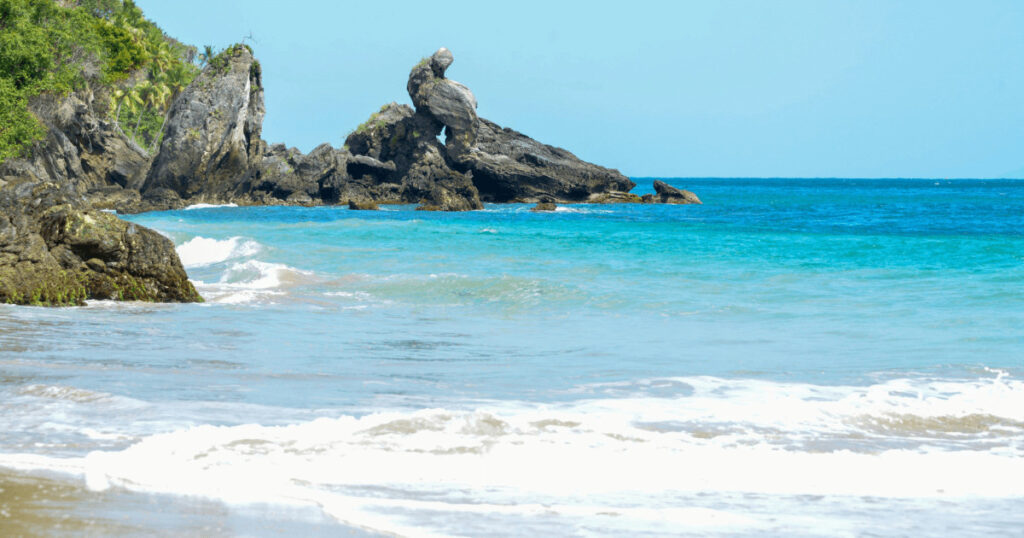
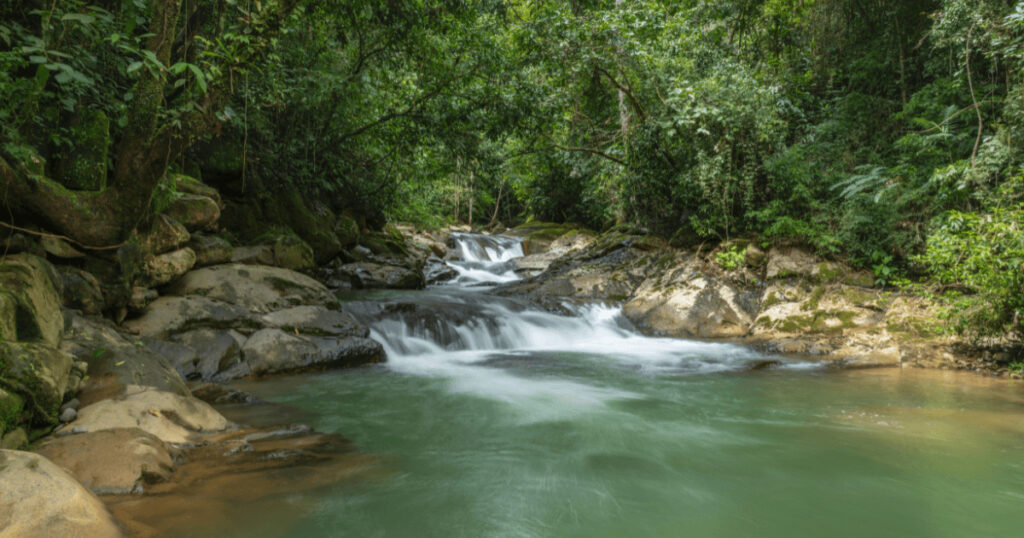
Every traveler dreams differently, some crave the quiet hum of the ocean, others the sound of tropical rain on a jungle roof. Here’s how the main regions compare:

| Region | Vibe | Best For |
|---|---|---|
| Punta Cana / Bávaro | Beachfront resorts, all-inclusive | First-timers, honeymooners, easy logistics |
| Samaná Peninsula | Eco-lodges, whales, waterfalls | Nature lovers, quieter escapes |
| Las Terrenas | French-Caribbean beach town | Boutique stays, laid-back luxury |
| Bayahibe / La Romana | Diving, Saona Island access | Snorkelers, island-hopping trips |
| Santo Domingo | Colonial city, culture, nightlife | History lovers, city + beach combos |
border-radius:8px; padding:16px 22px; margin:20px 0; background:#F8F5F0;”>
Booking tip: [BOOKING.COM AFFILIATE LINK — TO BE ADDED] — Book your Dominican Republic stay through Booking.com’s free-cancellation options during hurricane season (Aug–Oct) so you’re not locked into a non-refundable rate.

Look for stays that celebrate the island’s rhythm: boutique hotels owned by local families, eco-resorts running on solar energy, or mountain retreats offering farm-to-table dining. They’re not only more sustainable, they’re more memorable. Book 2–3 months ahead for the December–April peak season, especially around Christmas, New Year’s and Easter week.
Safety and Smart Travel Tips
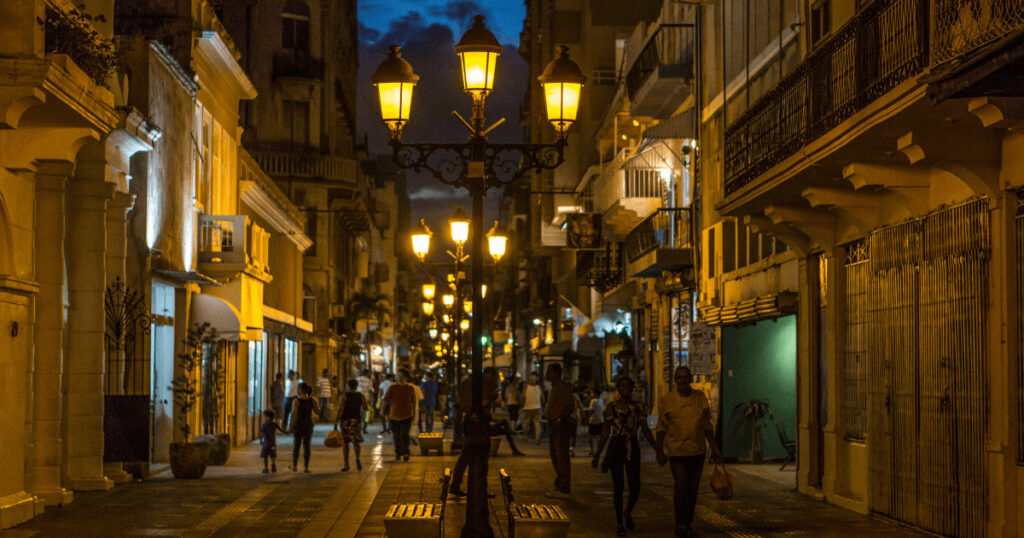
The Dominican Republic is a safe, welcoming destination, but the best trips happen when you know how to move wisely. In crowded areas, especially near beaches, bus stations, and markets, keep valuables tucked away and use your hotel safe. Dominicans are famously warm and hospitable, a simple “buenos días” opens more doors than any guidebook.

- Check the official government travel advisory before departure for current entry and safety guidance.
- Drink bottled or filtered water, and use sunscreen year-round.
- Use registered taxis or ride-share apps rather than flagging unmarked cars, especially at night.
- Carry a photocopy of your passport, not the original, when out exploring.
- Dress modestly in rural towns and churches, and learn a few basic Spanish phrases — locals deeply appreciate the effort.
- Download offline maps in advance, Wi-Fi can be unreliable outside major cities and resorts.
- Buy travel insurance that explicitly covers hurricane-season disruptions if you’re traveling August–October.
Essential Packing Tips
Packing for the Dominican Republic means thinking light, smart, and local. The climate is warm year-round with humidity that calls for breathable fabrics. Lightweight cotton or linen keeps you cool on the coast and comfortable inland.

- Clothing: Breathable cotton/linen, a light layer for air-conditioned spaces, modest cover-ups for rural towns and churches.
- Footwear: Comfortable sandals for beach towns, sturdy shoes if your itinerary includes waterfall hikes or jungle trails.
- Rain protection: A packable rain jacket — tropical showers arrive fast, particularly May–November.
- Sun protection: High-SPF, reef-safe sunscreen, a wide-brimmed hat, and polarized sunglasses.
- Water essentials: A quick-dry towel and a waterproof pouch for your phone.
- Sustainability extras: A reusable water bottle, a compact day bag for markets, and eco-friendly toiletries.

If you want a full, checkable packing list, our Zanzibar packing guide covers many of the same tropical-travel essentials, from power banks to the one extra swimsuit you’ll always be glad you brought.
Experiencing Real Dominican Culture
To truly know the Dominican Republic, go where life moves to its own rhythm, beyond resort walls and tour buses. It’s in the scent of street food at dawn, the sound of laughter through neighborhood plazas, and merengue drifting from a corner bar.

Merengue and bachata, both recognized by UNESCO as Intangible Cultural Heritage, are more than performances, they’re living stories of community and joy. A few ways to experience it firsthand:
- Visit a morning market before the cruise-ship crowds arrive, sample cacao and fresh sugar-cane juice, chat with vendors.
- Join a bachata class, or simply watch locals dance in a plaza after dusk.
- Attend a fiesta patronal in a small pueblo, drumming, food stalls, and community celebration.
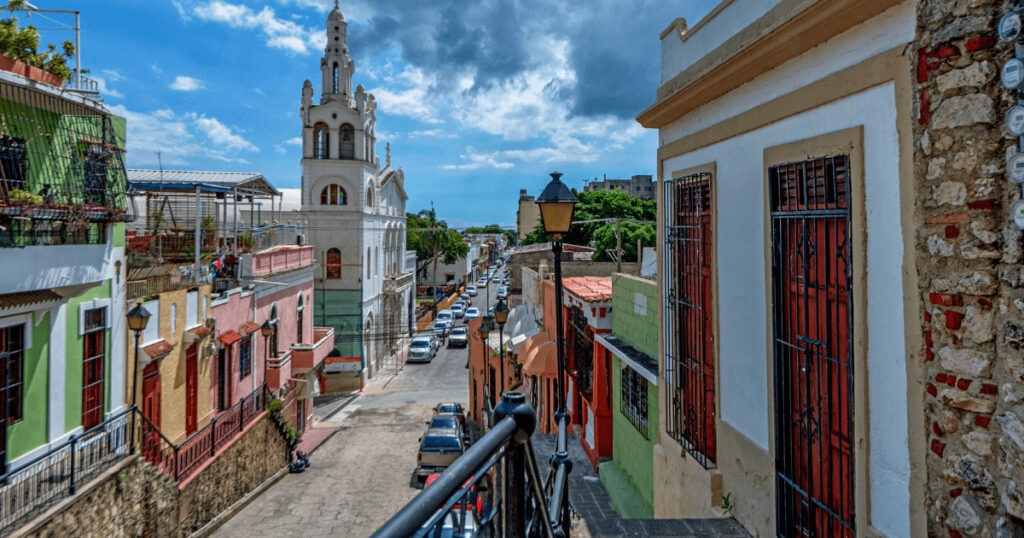
Leaning into these unscripted moments, rather than just photo-ops, is what turns a good trip into an unforgettable one.
Dominican Food & Flavors You Shouldn’t Miss
Dominican cuisine blends Spanish, African, and Taíno influences into something rich, colorful, and deeply comforting.
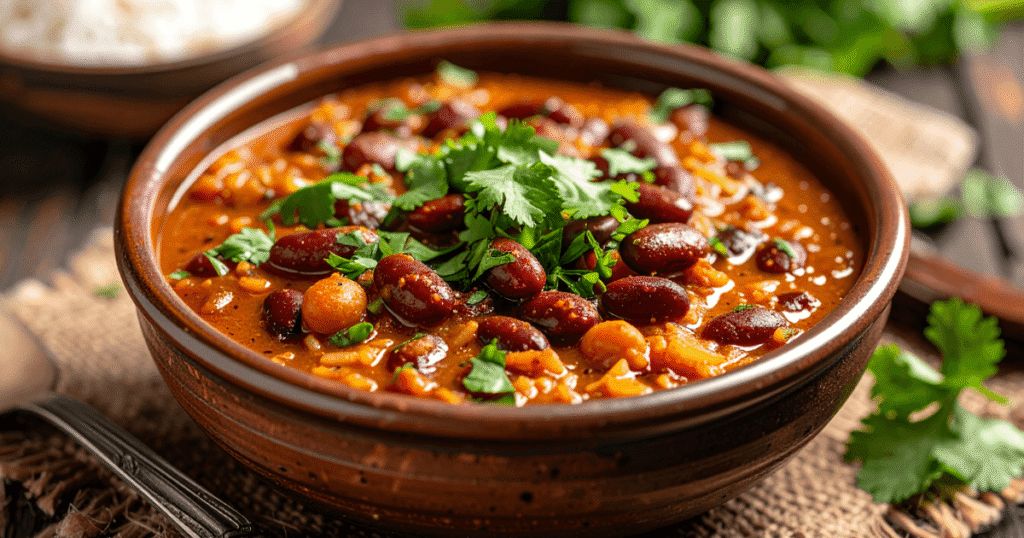
- La Bandera Dominicana: the national dish, rice, beans, and stewed meat with fried plantains — best tasted at a small family-run “comedor.”
- Mangú: a smooth mashed-plantain breakfast paired with onions, fried cheese, eggs and salami (“los tres golpes”), best with strong Dominican coffee.
- Fresh seafood: head to the north coast for grilled fish or pescado frito in beach towns like Las Terrenas and Cabarete.
- Tropical fruit: guava, passion fruit, and tamarind, best found at morning markets.

For a deeper dive, cooking classes in Santo Domingo and Samaná let you learn directly from locals. Ask where they eat, skip the hotel buffet when you can, and be curious, the best meals are often found in the most unassuming places.
Don’t skip dessert either: dulce de leche cortada (curdled milk sweet), habichuelas con dulce (a sweet cream made from red beans, traditionally eaten during Lent), and fresh coconut water straight from a roadside vendor are all worth seeking out. And if you drink, a glass of Dominican rum, Brugal and Barceló are the most widely available, sipped neat or in a simple Cuba Libre, pairs perfectly with a beachside sunset.

Traveling Responsibly in the Dominican Republic
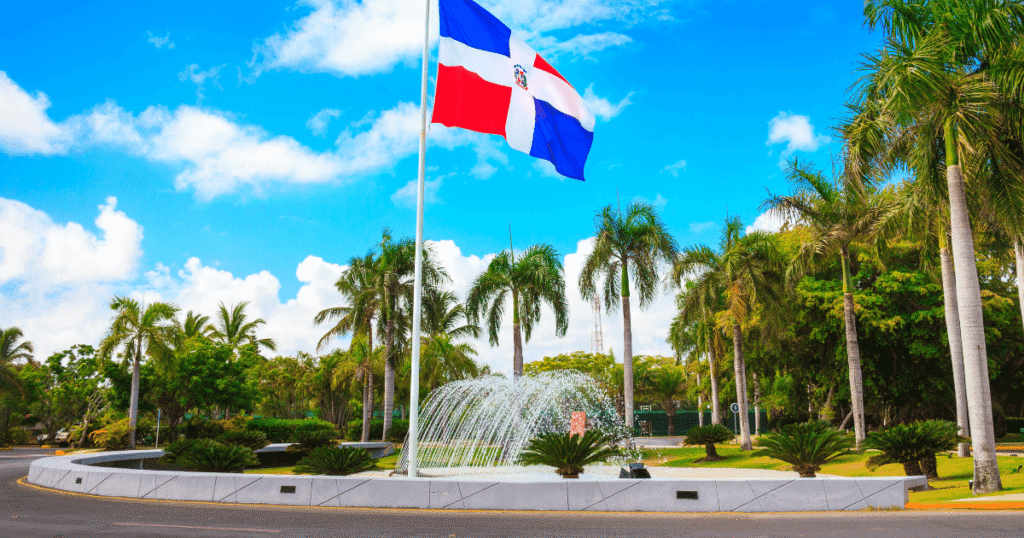
The true beauty of the Dominican Republic isn’t found only in its beaches or mountains, it’s in the people who call this island home. A few ways to travel with purpose:
- Choose locally-owned accommodations over large international chains, boutique hotels and family-run guesthouses reinvest directly in their communities.
- Eat at local eateries instead of global franchises whenever you can.
- Book excursions with guides who live in the region, your participation sustains jobs and preserves traditions.
- Ask how your visit benefits the community, the best tour operators are transparent about their impact.
- Learn a few Spanish phrases, ask before photographing people, and take time to listen to their stories.

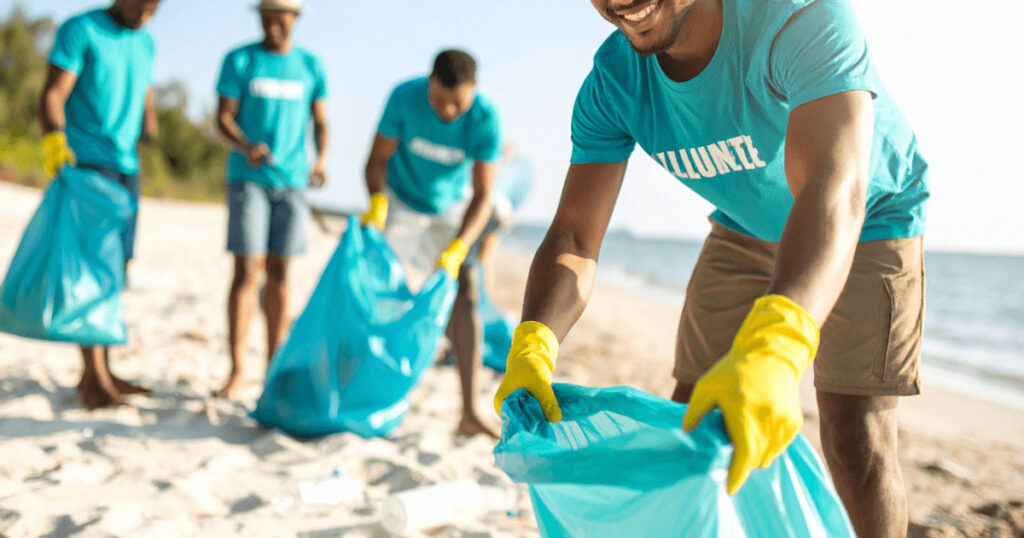
Many non-profit organizations welcome short-term visitor volunteering, beach cleanups, school visits, mangrove planting. Even a few hours can become one of the most memorable parts of your trip.
7 Mistakes First-Time Visitors Make (and How to Avoid Them)

- Never leaving the resort. Punta Cana’s all-inclusives are beautiful, but the real island, Samaná’s waterfalls, Santo Domingo’s colonial streets, is worth at least one day trip.
- Exchanging cash at the airport. Rates are weakest there — use an ATM in town instead.
- Booking during hurricane season without flexible cancellation. August–October brings the best prices but also the highest storm risk.
- Not agreeing on taxi or motoconcho fares upfront. This is the single most common tourist frustration on the island.
- Underestimating distances. The island is bigger than it looks on a map, Punta Cana to Santo Domingo is a 3+ hour drive, and to Samaná it’s closer to 4.
- Packing only beachwear. Inland trips to Jarabacoa or the mountains can be noticeably cooler and require sturdier shoes.
- Skipping travel insurance. Given the hurricane season and the value of prepaid excursions, insurance is one of the cheapest forms of peace of mind you can buy.
Frequently Asked Questions
Is the Dominican Republic safe for tourists?
Yes, the Dominican Republic is generally safe for tourists who take standard precautions: use registered transport, keep valuables secured, and avoid poorly lit areas at night. Millions of visitors travel there safely every year.
Do I need a visa to visit the Dominican Republic?
Most visitors from the EU, UK, US, and Canada don’t need a separate visa or tourist card for short stays, but requirements can change, so always confirm on the official government travel advisory before booking.
What is the best month to visit the Dominican Republic?
December through April offers the most reliable dry, sunny weather. For a balance of good weather and lower prices, aim for late November or early May.
How many days do you need in the Dominican Republic?
A week is enough to enjoy one region deeply (like Punta Cana or Samaná). Ten days to two weeks lets you combine a beach base with a couple of day trips or a second region.
Is it better to rent a car or use transfers in the Dominican Republic?
Renting a car gives the most freedom for exploring multiple regions, but private transfers or Caribe Tours buses are safer, less stressful options if you’re not comfortable with island driving conditions.
How much money do I need per day in the Dominican Republic?
Budget travelers can get by on $40–70/day, mid-range travelers should plan for $80–150/day, and luxury travel typically starts around $250/day per person.
Is the Dominican Republic all-inclusive resorts worth it, or should I stay local?
All-inclusive resorts are convenient and great for a first visit, but locally-owned boutique hotels and guesthouses offer a more authentic experience and put more money directly into the community.
What should I pack for the Dominican Republic?
Breathable cotton or linen clothing, comfortable sandals plus sturdy shoes for hikes, a packable rain jacket, reef-safe sunscreen, and a waterproof pouch for electronics near the water.
Is tap water safe to drink in the Dominican Republic?
No, stick to bottled or filtered water, including for brushing your teeth in more remote areas.
What’s the difference between this guide and your other Dominican Republic articles?
This guide covers practical planning essentials, timing, budget, safety, packing, and logistics. For destination inspiration and specific places to add to your itinerary, see our Breathtaking Places to Visit and Hidden Gems guides, and for honeymoon-specific planning, see How to Plan the Perfect Dominican Republic Honeymoon.

If this guide helped you plan your Dominican Republic trip, you’ll find more region-specific guides, itineraries, and hidden gems across our Dominican Republic collection. And if the Caribbean has you dreaming of another island escape entirely, our Zanzibar hub is where it all began.
What’s the difference between this guide and your “Places to Visit” guide?
This guide focuses on practical preparation: money, safety, transport, and cultural etiquette you’ll need before and during your trip. For a region-by-region breakdown of where to actually go, see our guide to the best places to visit in the Dominican Republic.