
Last Updated: June 2026
Affiliate Disclosure: Beyond the Coast participates in affiliate programs including Booking.com, Viator, GetYourGuide, and Sandals Resorts. If you purchase through links on our site, we may earn a small commission at no extra cost to you. This helps keep our travel guides free and supports our research.
Zanzibar travel tips from someone who actually lived them: I spent two and a half weeks on the island, stayed in Nungwi and Kendwa, got caught in tropical downpours, had a tuk-tuk accident, nearly got scammed on accommodation in Jambiani, and came home with the kind of knowledge that no travel brochure will ever give you. These Zanzibar travel tips cover everything from what to pack and how to get around, to local customs, food safety, money, and the small daily details that make or break a first trip.
If you only read one section, go straight to Tip 3 on transport. It’s the one most first-timers get badly wrong, and it cost me more than I’d like to admit.
📍 This guide is part of our complete Zanzibar Travel Guide Hub — beaches, honeymoon tips, itineraries and hidden gems, all in one place.
Jump to a Section
|
Tip 1: What to pack for Zanzibar |
Planning a trip to Zanzibar for the first time? These Zanzibar travel tips are the kind of things you’re always glad you knew before you arrived, from navigating the island and choosing where to stay, to understanding local customs and what daily life in Zanzibar is really like.
I searched high and low for honest Zanzibar travel tips before my trip and wished I had found a post like this. So here it is: practical, honest, and straight from experience. From smart packing and transport to hidden beach tips and food safety, this is your go-to Zanzibar travel tips guide for making the most of your island escape. For official entry requirements before you read further, the Tanzania Immigration Department has the most current visa information.
Tip 1: What to Pack for Zanzibar
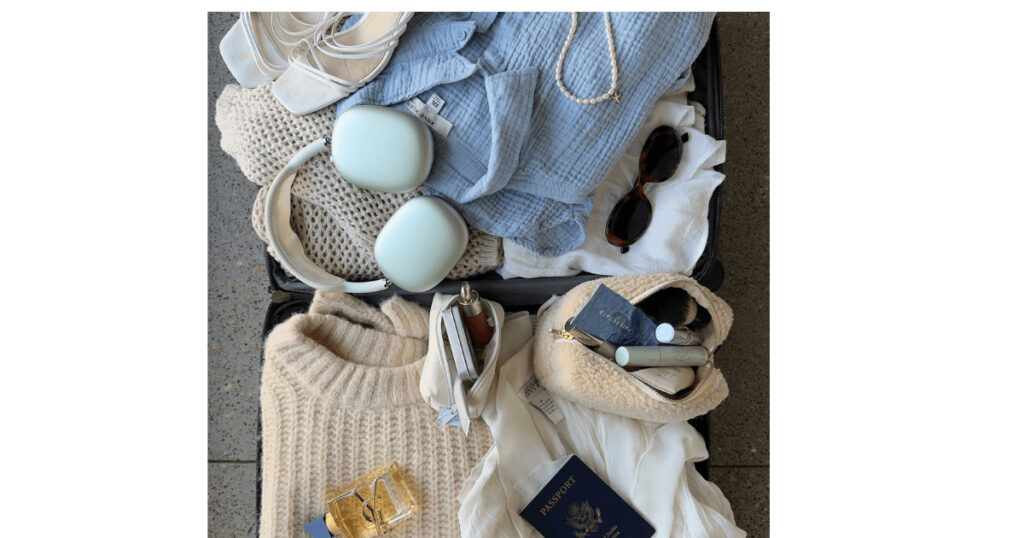
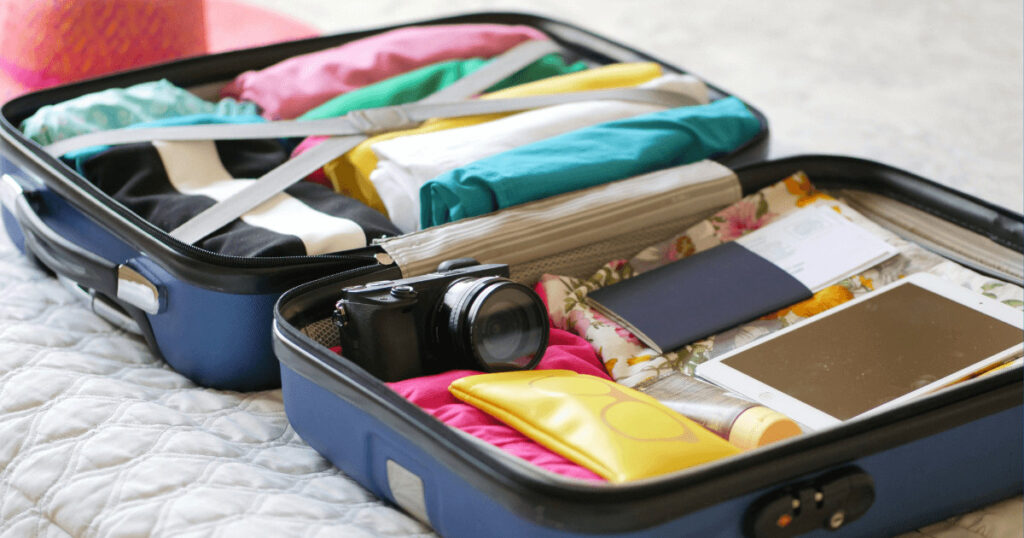
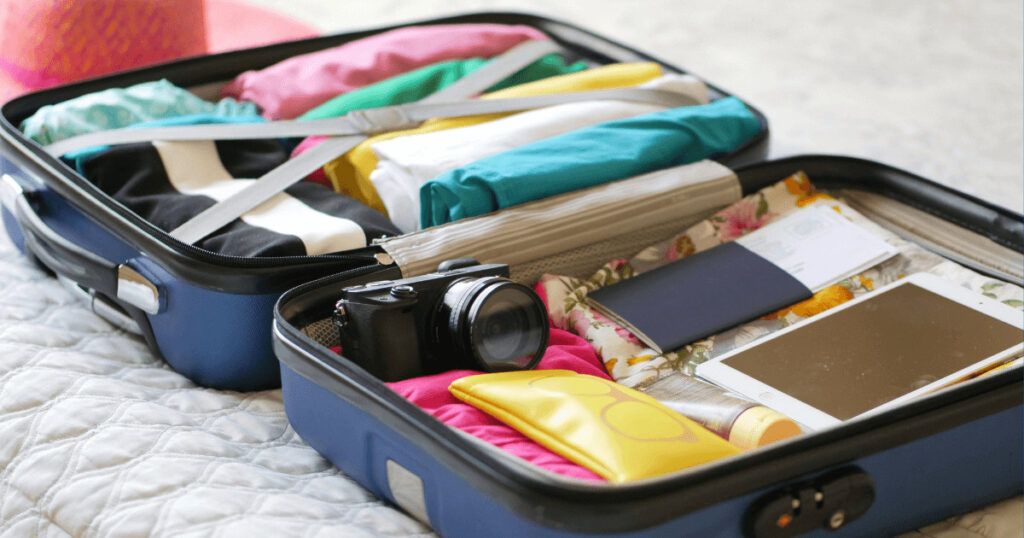
One of the most common questions before heading to Zanzibar is simple but important: what should I actually bring? I had the same question before my trip, so here’s everything I took with me and what I wish I had or hadn’t packed. This first Zanzibar travel tip alone would have saved me a checked bag full of regret.
A waterproof phone pouch became my best friend during boat rides, and I used a light beach bag or small backpack every single day. Hand sanitizer, basic medications, and offline maps with saved places (restaurants, beaches, accommodation) turned out to be essential more than once. I downloaded Maps.me and Google Maps offline before leaving, and they genuinely saved me several times. It’s also worth checking the CDC’s Tanzania travel health page a few weeks before departure for current vaccination and malaria prevention guidance.
A travel adapter and power strip were also essential since many hotel rooms had very few outlets. Sunscreen was non-negotiable even on cloudy days, the sun was far more intense than I expected. Water shoes came out almost daily, especially on rocky beach stretches. A basic snorkel mask was worth every euro of luggage space, since Zanzibar has so many great spots to explore independently without a guide.
One thing I didn’t bring but will next time: a GoPro or waterproof camera. The underwater views were stunning, and my phone just wasn’t enough to capture them properly.
Zanzibar packing checklist (essentials):
Reef-safe sunscreen, waterproof phone pouch, dry bag, water shoes, reef-safe snorkel mask, lightweight cover-up dress or scarf, power adapter, power bank, probiotics (start 2 weeks before travel), bottled water for teeth brushing, offline maps downloaded before departure, small bills in USD and Tanzanian shillings, basic first aid kit.
Tip 2: What I Regret Taking on My Zanzibar Trip
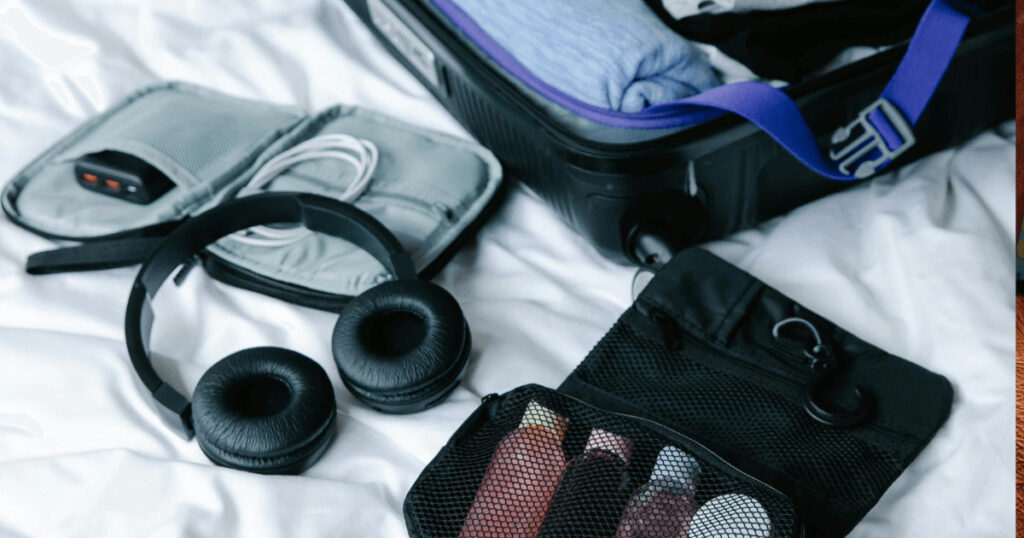
Looking back, I definitely overpacked in several categories, and these Zanzibar travel tips on what NOT to bring might save you more suitcase space than the packing list above. I brought expensive clothes, shoes, and jewelry, none of which I used. The same goes for my full makeup kit. I wore makeup twice during three weeks. And hair styling tools were completely useless: the humidity and sudden tropical rain showers on the island made them pointless within minutes of using them.
If you’re a woman, I recommend packing at least one or two outfits that cover your shoulders and knees, especially for cultural excursions into villages or Stone Town. And remember: walking around in a swimsuit is not acceptable in public areas away from the beach. Always throw on a cover-up or dress the moment you leave the hotel or beach zone.
Other things I’d skip next time: a formal outfit (never needed one), multiple pairs of sandals (I wore the same two pairs every day), and a heavy hair dryer. Pack light. You will not regret it.
Tip 3: Getting Around Zanzibar (Read This One Carefully)
One of the biggest challenges during my trip was figuring out how to get around Zanzibar. There aren’t many public transport options like you might expect in Europe, so you’ll mostly rely on taxis, tuk-tuks, or pre-arranged transfers, and not all of them are created equal. If you only remember one Zanzibar travel tip from this entire guide, make it this section.
We used taxis for longer distances and booked organized transfers for excursions and the airport. Taxis were by far the most reliable and comfortable option: private, usually air-conditioned, and easy to arrange through your accommodation. We booked our airport transfer in advance, which made arrival smooth and completely stress-free.
Tuk-tuks: I strongly advise against them. I had a serious accident while riding in one, and I will never use them again. The roads are often unpaved or in poor condition, traffic is chaotic, and there is no real sense of road safety or enforcement. Motorcycles and scooters carry the same risk: they might look adventurous on Instagram, but the roads on this island are genuinely dangerous by European standards.
Renting a car: also not recommended. Driving in Zanzibar is nothing like Europe. Road conditions, lack of traffic rules, and overall vehicle quality can be shocking if you are used to Western standards. Unless you have experience driving in East Africa, a car rental will bring more stress than freedom. Stick to pre-arranged private taxis or transfers organized through your hotel, especially for excursions to the south or east of the island.
Typical 2026 taxi prices:
Airport to Nungwi: $40 to $55. Stone Town to Nungwi: $25 to $40. Nungwi to Kendwa: $10 to $15. Stone Town to Jozani Forest: $20 to $30 each way.
A lesson learned the hard way: after my tuk-tuk accident, I was genuinely grateful to have travel insurance in place. Zanzibar’s road conditions and lack of formal traffic enforcement mean accidents do happen, and local medical facilities are limited outside Stone Town. If anything goes wrong, you want to know you can get proper care or be evacuated if needed. Compare travel insurance plans for Tanzania →
Tip 4: Best Beaches in Zanzibar You Will Not Want to Miss
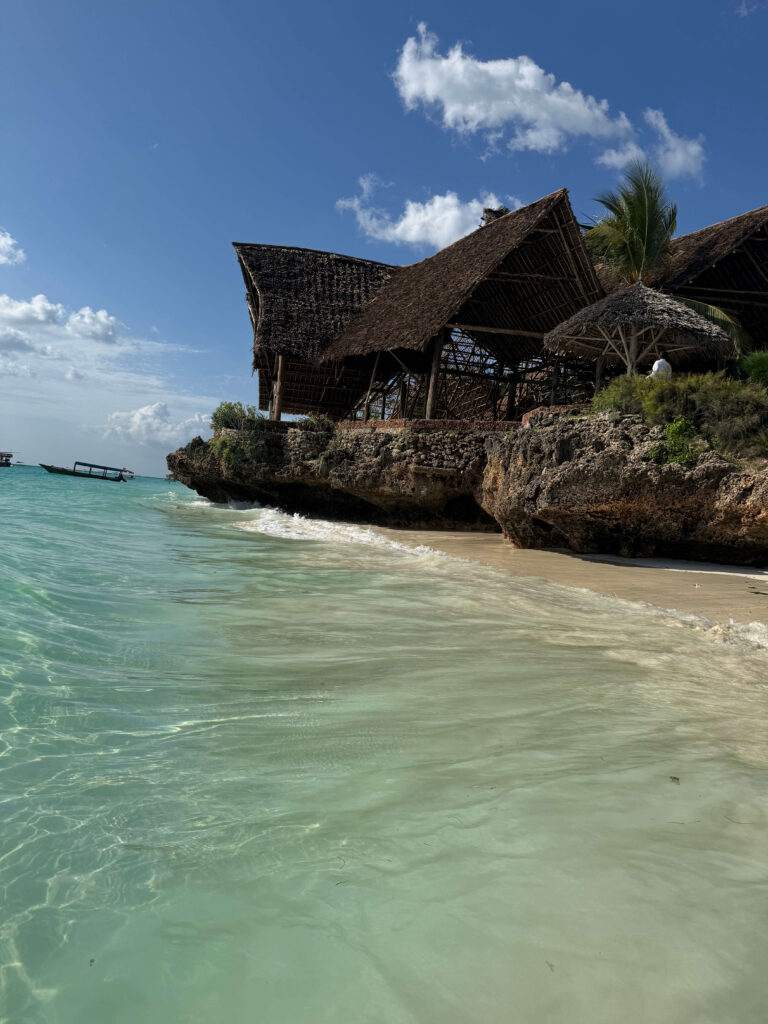
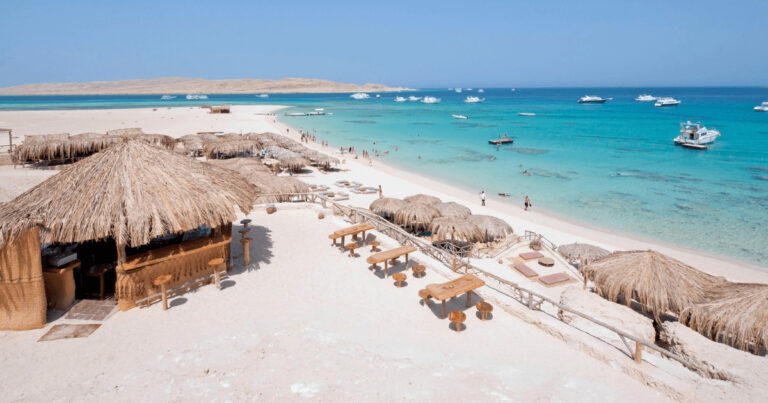
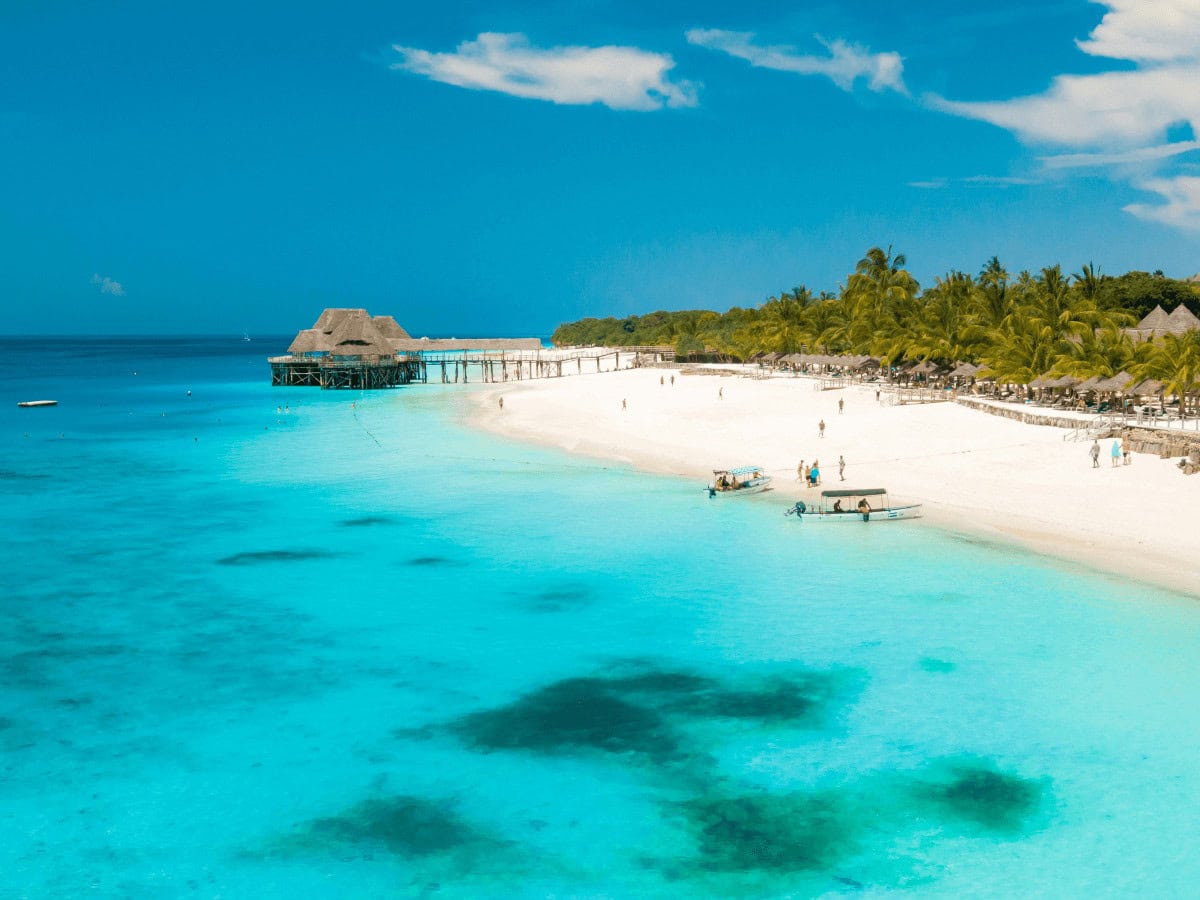
If there is one thing you cannot miss in Zanzibar, it is the beaches. This Zanzibar travel tip is the one I repeat most to friends planning their first visit: I personally found the northern part of the island the most breathtaking. Kendwa and Nungwi offer soft white sand, calm turquoise water, and picture-perfect sunsets. Unlike the east coast, the tides here are minimal, meaning you can swim at any point in the day without getting stranded on a mudflat.
The east coast (Paje, Bwejuu, Jambiani) has a different character: kite-surfers, a slightly hippie vibe, and more visible tidal movement. Beautiful, but not ideal if you want a swim-anytime beach without planning around the tide schedule.
Quick Comparison: North Coast vs East Coast Zanzibar
| North Coast (Nungwi/Kendwa) | East Coast (Paje/Jambiani) | |
|---|---|---|
| Tides | Minimal, swimmable all day | Strong, tide planning needed |
| Vibe | Lively, varied, resort-friendly | Relaxed, kite-surfing, bohemian |
| Excursion access | Excellent (Mnemba, dhow cruise) | More limited, longer transfers |
| Sunset views | Spectacular every evening | Sunrise side, no ocean sunsets |
| Best for | First-timers, couples, families | Kite-surfers, solo travelers |
For a full breakdown of every beach with honest pros and cons, see our complete guide to the best beaches in Zanzibar.
Tip 5: Best Time to Visit Zanzibar
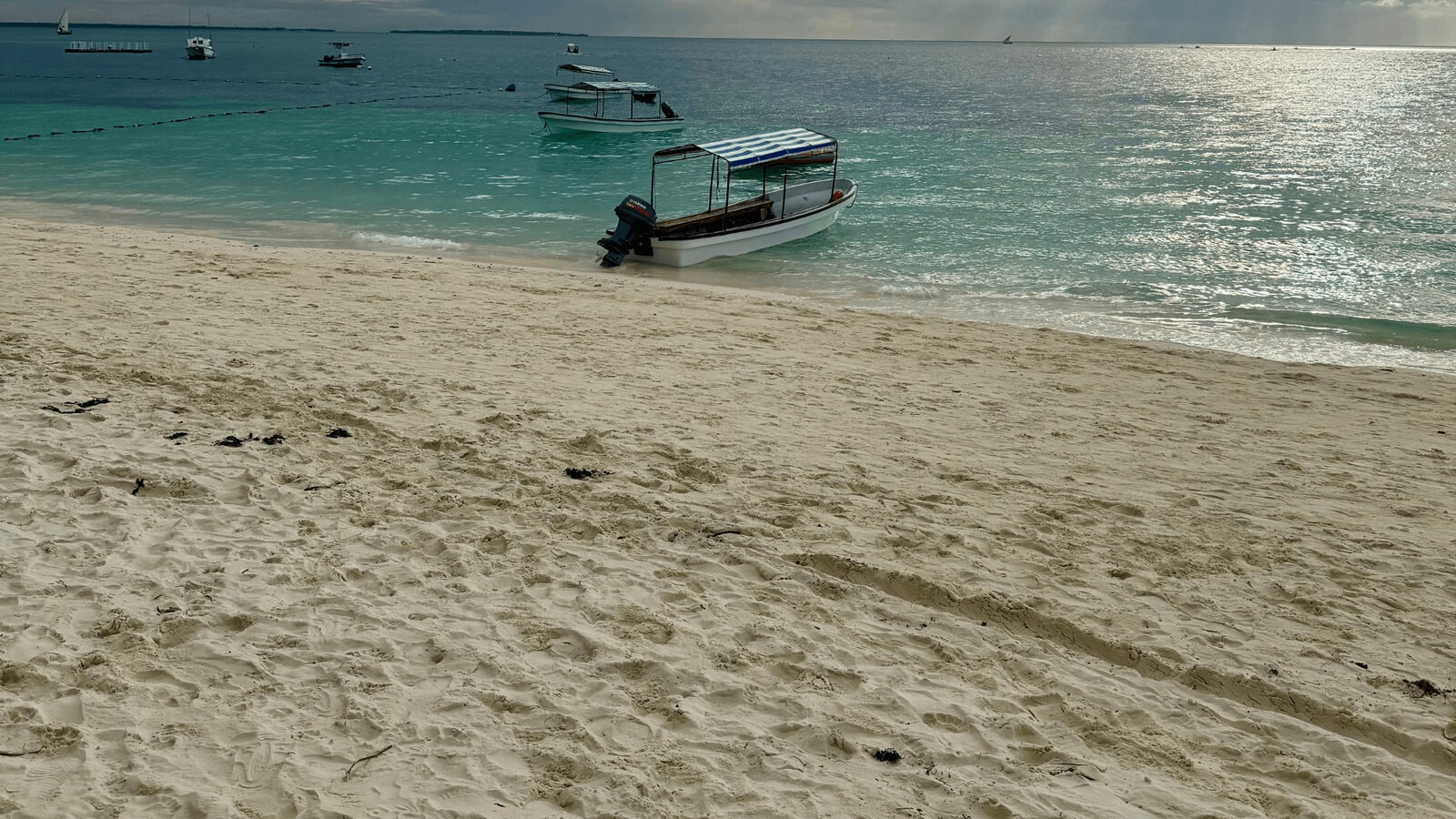
Before traveling to Zanzibar, I assumed it would be sunny and tropical every day. I was quickly corrected. Of all the Zanzibar travel tips in this guide, timing your trip is the one most people underestimate.
We visited in late May through mid-June, staying for about two and a half weeks. The temperature was perfect, between 27 and 29 degrees Celsius most days, and the humidity was lower than I expected. What did surprise me was the frequent rain: tropical showers arrived almost daily, sometimes sudden and heavy. Sunny hours every day, yes, but always with clouds building somewhere on the horizon. If you are expecting endless unbroken beach weather, the shoulder season will occasionally disappoint.
The upside: fewer tourists. For most of our stay, we enjoyed quiet beaches, uncrowded restaurants, and a relaxed atmosphere. It was only around mid-June that we started to notice more travelers arriving.
Best months by travel style:
June to October (dry season): reliably sunny, busiest period, book early. November: shoulder season, good value, some showers. December to February: excellent weather, popular for Christmas and New Year, prices peak. March to May: long rains, not recommended for beach travel. Late May to early June: shoulder season sweet spot, good weather returning, quieter and cheaper.
If I were to return, I would consider December: locals consistently recommended it as the single best month on the island. Drier, calmer seas, and beautiful light.
Tip 6: Where to Stay in Zanzibar for an Easy First Trip
Choosing where to stay in Zanzibar can feel overwhelming: so many beautiful areas, so many accommodation types. If it is your first time, here is what I learned from my own experience.
We stayed in Nungwi and Kendwa, two of the most popular areas on the north coast, and I absolutely loved both. I chose the north because I wanted to avoid the strong tides that affect the east coast, and also be close to excursions and water activities. The sea in the north is swimmable all day long, and the sunsets are spectacular.
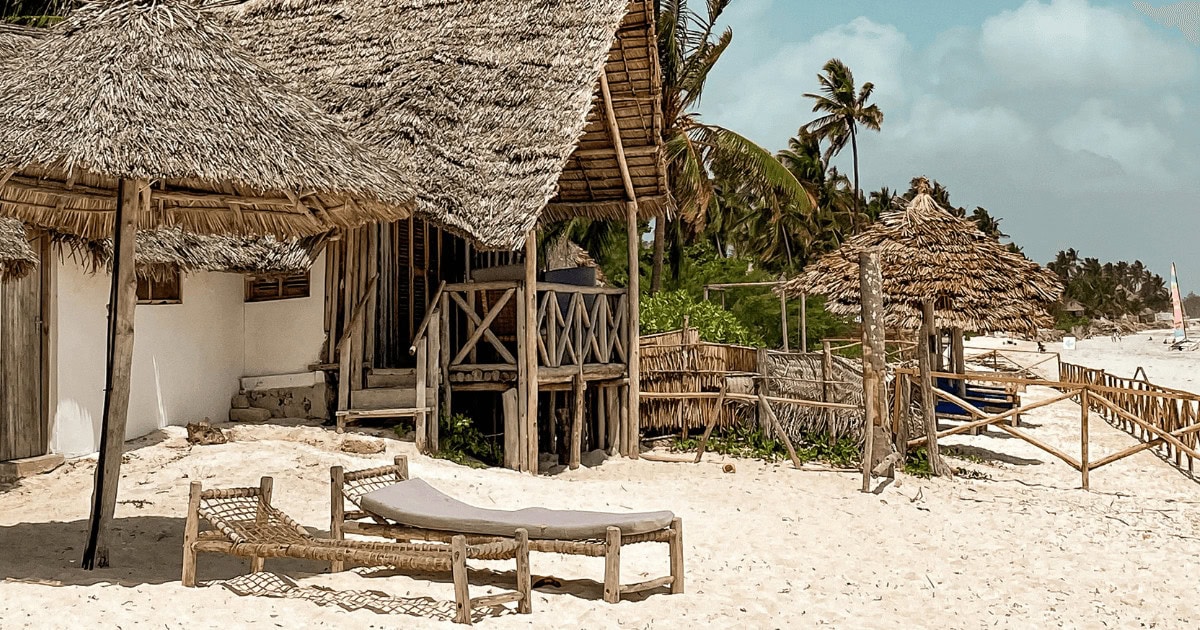
In both areas, we stayed in a mix of hotels and locally run bungalows, and I was genuinely impressed. The bungalows were spotlessly clean, staff came to tidy rooms multiple times a day, and everything felt cozy and well cared for. What I loved most was how authentic and peaceful these places were compared to the larger resort complexes.
A few practical things first-time visitors to Zanzibar should know before booking:
Water pressure and quality: the water quality is not great, the pressure is often low, and the smell can be unusual even for showering. Never drink tap water, and use bottled water for teeth brushing.
Power outages: common, especially in more remote areas. Bring a power bank and always charge devices when you can.
Read reviews carefully: We were originally supposed to stay in Jambiani but ended up nearly being scammed through a third-party platform. I will share the full story in a separate post, but the short version is: always book direct with the property or through a verified platform like Booking.com, and call ahead to confirm your reservation the day before arrival.
Zanzibar travel tip: if you want easy beach access, calm waters, and a mix of activities and relaxation, Nungwi and Kendwa are the easiest first-trip choice. And if you are open to it, try at least one locally run bungalow, you will likely have a more personal, memorable experience than at a large resort.
Where We Actually Stayed
[PLACEHOLDER: Insert name of Nungwi accommodation] in Nungwi, [PLACEHOLDER: 1-2 sentence honest description of this property]. Check current prices and availability →
[PLACEHOLDER: Insert name of Kendwa accommodation] in Kendwa, [PLACEHOLDER: 1-2 sentence honest description of this property]. Check current prices and availability →
Not Sure Which Part of Zanzibar Is Right for You?
Take our 60-second Zanzibar Beach Finder quiz and get a personalized beach match based on your travel style, whether that’s lively Nungwi, peaceful Kendwa, or the kite-surfing vibe of Paje.
Find My Perfect Zanzibar Beach →Tip 7: Local Culture and Dress Code in Zanzibar
Zanzibar is a predominantly Muslim island, and while it is friendly and welcoming to tourists, there are certain rules every traveler should know, some unspoken, some very much enforced. This Zanzibar travel tip might be the single most important one in this entire guide if you want to avoid an awkward (or costly) misunderstanding.
If you are a woman traveling to Zanzibar, pack at least two or three outfits that cover your shoulders and knees. This is especially important when walking through villages, visiting cultural or religious sites, or going on excursions away from the beach. During our stay, we actually saw a tourist get fined for walking through a town in just a bikini. Yes, you can be penalized. The local government has placed signs in popular areas reminding visitors to dress modestly, and locals take it seriously.
On the beach and at your hotel pool, swimwear is completely fine. The moment you step outside that space, throw on a light dress or sarong. I packed a lightweight scarf that I could throw over my shoulders or tie as a wrap skirt, it came in handy almost every single day. A long, airy maxi dress worked perfectly for both beach strolls and dinner in town.
Beyond clothing, a few other cultural tips: don’t photograph locals without asking first. Don’t eat or drink in public during Ramadan. Say “Jambo” (hello) and “Asante” (thank you) in Swahili wherever you can. People genuinely appreciate it, and it opens doors in a way that arriving with a tourist attitude simply doesn’t. If you’re visiting Stone Town specifically, the UNESCO World Heritage listing has helpful background on the site’s history and etiquette expectations.
Tip 8: What to Know About Food in Zanzibar Before You Eat Out
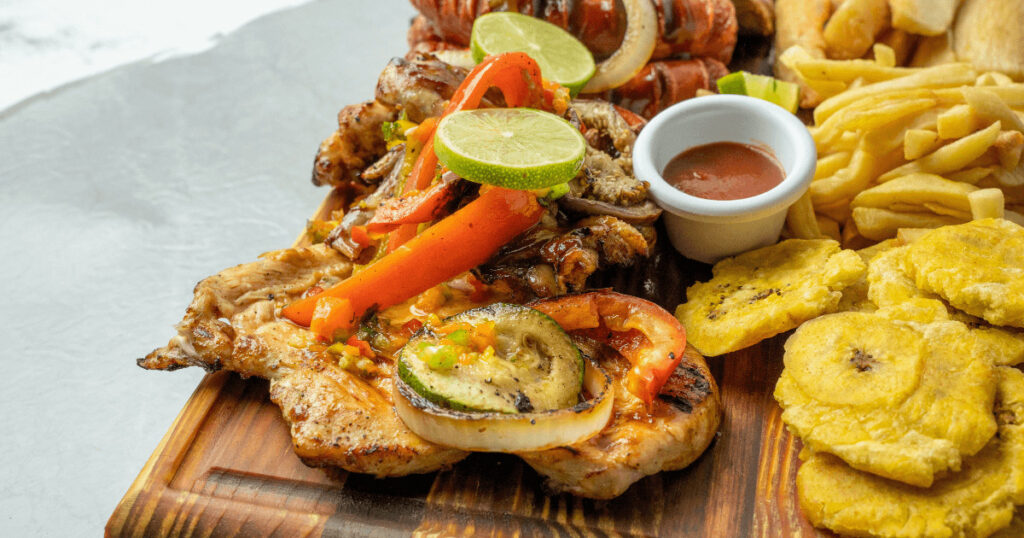
Before my first trip, one of my biggest worries was the food in Zanzibar. Would it be safe? Would I enjoy it? I had read so many mixed opinions online, especially about water safety and local hygiene, and most Zanzibar travel tips I found online were either overly cautious or not specific enough to actually be useful.
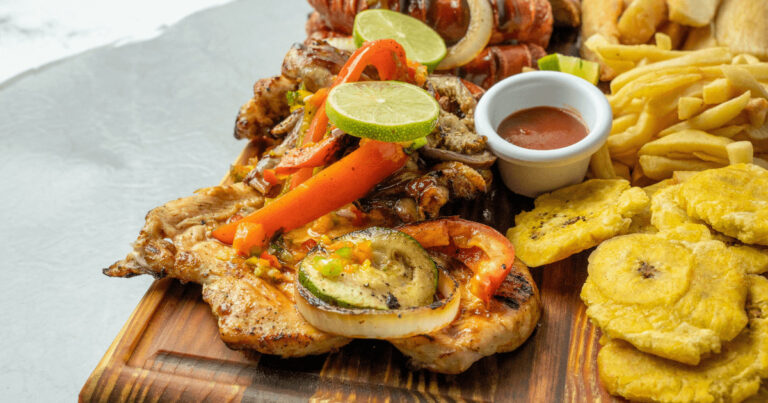
After spending over two weeks on the island and eating out almost every day, I can honestly say: you can eat safely and enjoy amazing meals, with just a little preparation. Zanzibar’s local cuisine is genuinely delicious: coconut rice, grilled seafood straight off the boat, tropical fruits, and Swahili spice-infused dishes that you won’t find anywhere else.

My honest food safety rules from 2+ weeks on the island:
Avoid ice in smoothies or soft drinks since many places use regular tap water for ice. Never brush your teeth with tap water, always use bottled water even in hotels. Start taking probiotics two weeks before travel and continue throughout the trip (this genuinely helped me avoid stomach issues). Only buy fresh fruit from street vendors, nothing cooked at an unverified stall. Stick to restaurants and cafes with good recent reviews and visibly clean kitchens.
The one restaurant guide that saved us from bad decisions: our own research combined with local recommendations from our hotel staff. For the full list of places we tried and loved, see our Zanzibar restaurant guide.
Tip 9: Money, SIM Cards, and Smart Travel Habits in Zanzibar
Whether it’s your first time in Zanzibar or not, these small practical Zanzibar travel tips make a big difference once you arrive.
Currency and payments: you can pay with Tanzanian shillings or US dollars, but prices are easier to negotiate in local currency. Many shops and restaurants charge an extra fee (sometimes 3 to 5%) for card payments. We only paid by card at places where no extra fee was clearly posted. Always exchange money at official currency exchange offices, never with someone approaching you on the street. I used Wise to check exchange rates on the spot, it was quick and helped avoid overpaying significantly.
Typical 2026 prices to know:
Local SIM card with data: around $10. Street snack or local meal: $2 to $5. Beach massage (45 minutes): $6 to $12. Bottled water (1.5L): $0.50 to $1. Taxi Stone Town to airport: $15 to $20.
SIM cards: if you plan to explore independently, buy a local SIM card right after arrival from a licensed shop. They will ask for your passport and register your number properly. We paid around $10 for a SIM with enough data to get started, and topping up later was easy at most convenience stores. A local SIM is essential for navigation, booking transport on the fly, and staying connected when your hotel Wi-Fi inevitably lets you down.
Faster option, an eSIM before you land: if you’d rather skip the airport SIM shop entirely, an eSIM lets you activate data the moment you land, no passport registration, no queue. Compare Zanzibar eSIM plans →
Bargaining: haggling is completely normal and expected at beach vendors, local markets, and souvenir shops. You will almost always get a better price if you are friendly, patient, and genuinely respectful about it. Start at around half the initial asking price and work from there. It is part of the cultural experience, and when done with a smile it is one of the most enjoyable parts of island shopping.
Tip 10: The Honest Final Zanzibar Travel Tip
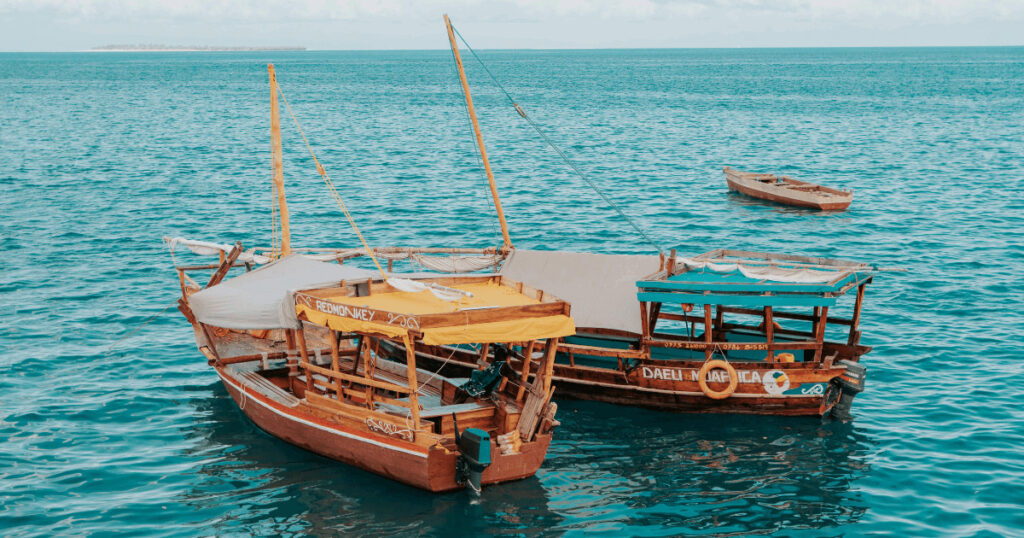
There’s only so much you can learn from travel blogs and generic brochures. What really helped me on my trip were the small, real-life details, the kind of things only someone who has actually been there can tell you. If this guide gave you nothing else, let this final Zanzibar travel tip be the one that sticks.
So here it is: don’t overplan, don’t overpack, and don’t spend your whole trip trying to optimize every hour. Zanzibar has a rhythm of its own, slow, warm, and slightly unpredictable, and the best moments usually arrived when I stopped trying to control the schedule.
Plan something exciting every two or three days. Between excursions, let yourself just be there. Swim, sit, eat slowly, talk to people. The island rewards presence more than planning. I came home feeling like I had genuinely rested for the first time in years, and I think that’s the highest compliment you can pay a destination.
I hope these Zanzibar travel tips help you feel more prepared, less stressed, and genuinely excited for your tropical adventure. Whether it is your first time in Zanzibar or a return visit, I promise: this island has something unforgettable waiting for you.
More Zanzibar Travel Tips and Guides to Keep Exploring
→ 10 best things to do in Zanzibar for beach lovers and culture seekers
→ 10 best Zanzibar day trips to hidden island gems
→ 10 best Zanzibar beaches for couples, swimmers and first-time visitors
Ready to Plan Your Zanzibar Trip Day by Day?
Use our free Zanzibar Trip Planner to build a personalized itinerary based on your trip length, budget, and travel style. Takes about 2 minutes.
Build My Zanzibar Itinerary →Frequently Asked Questions About Zanzibar Travel Tips
A few more Zanzibar travel tips in quick Q&A form, covering the questions I get asked most often.
Is Zanzibar safe for first-time visitors?
Yes, Zanzibar is generally safe for tourists, particularly in the main resort areas of Nungwi, Kendwa, and Stone Town. The main risks are petty theft, scams around accommodation or unofficial tour operators, and transport-related accidents (tuk-tuks and motorbikes are the biggest hazard). Book accommodation through verified platforms, use pre-arranged taxis, and you will have very few problems.
Do I need a visa to visit Zanzibar?
Zanzibar is part of Tanzania, so the Tanzania e-visa covers entry to the island. Most nationalities can obtain a single-entry tourist visa online in advance for $50 USD. Check the official Tanzania immigration portal for your specific country before traveling, as requirements do change.
What is the best area to stay in Zanzibar for a first trip?
Nungwi or Kendwa on the north coast. The tides are minimal so the sea is swimmable at any time of day, the sunsets are spectacular, and you have easy access to the main excursions like Mnemba Atoll and Nakupenda sandbank. The east coast is beautiful but better suited to kite-surfers and travelers who don’t mind planning around tide times.
Is the food safe in Zanzibar?
Yes, with basic precautions. Never drink tap water and use bottled water even for brushing teeth. Avoid ice in drinks at local establishments. Take probiotics starting two weeks before your trip. Stick to restaurants with good recent reviews and you will eat extremely well without issues. The local seafood, coconut rice, and tropical fruit are genuinely outstanding.
How much spending money do I need per day in Zanzibar?
A comfortable mid-range budget runs $80 to $150 per person per day, covering accommodation in a quality bungalow or 3-star hotel, meals at decent restaurants, bottled water, and one excursion every two or three days. Luxury travelers at 4 to 5 star resorts should budget $200 to $400 per person per day. Budget backpackers can get by on $40 to $60 but accommodation options at that price point require careful vetting.
Can I use a credit card in Zanzibar?
In some places, yes, but many restaurants and shops charge a 3 to 5% surcharge for card payments and some don’t accept cards at all. Always carry Tanzanian shillings and US dollars in small bills. Exchange at official offices only, never on the street. Wise is useful for checking live exchange rates.
What should women pack for Zanzibar?
In addition to beach wear: at least two outfits that cover shoulders and knees for villages, Stone Town, and excursions. A lightweight scarf doubles as a shoulder cover and a wrap skirt. A long maxi dress works for both beach strolls and evening dinners. Leave the expensive clothes, full makeup kit, and hair tools at home. These Zanzibar travel tips for women specifically have saved more than one reader from an awkward situation at a cultural site.
Is Zanzibar good for a honeymoon?
Absolutely. Zanzibar consistently ranks among the top honeymoon destinations in the Indian Ocean, particularly Nungwi and Kendwa for beach luxury, and the private sandbank experiences at Nakupenda for romance. See our Zanzibar honeymoon guide for a full breakdown.
What is the currency in Zanzibar and how much should I exchange?
The official currency is the Tanzanian shilling (TZS), though US dollars are widely accepted and often preferred for larger payments. Exchange only at official currency exchange offices. For a one-week trip, exchanging $200 to $300 in local currency covers daily expenses comfortably alongside card payments where accepted.
Can I drink alcohol in Zanzibar?
Yes, alcohol is available at hotels, resorts, and most tourist-facing restaurants, though Zanzibar is a predominantly Muslim island and alcohol is not served at local establishments or during Ramadan. Drink responsibly and avoid being visibly intoxicated in public areas out of respect for local customs.