Last Updated: July 2026

What are the most useful Egypt beach tips for the Red Sea? Visit between October and April for the most comfortable weather, base yourself in Soma Bay or Sahl Hasheesh for a quieter trip or Hurghada for a livelier one, pack reef-safe sunscreen, and plan beach time around sunrise or late afternoon to avoid the midday heat. The rest of this guide covers exactly when to go, what the coast actually feels like, and the small mistakes worth avoiding before you book anything.
Seven tips, one unforgettable stretch of coastline.
Expert Summary
Egypt’s Red Sea beaches stay open year round, but the season changes the experience completely. Winter (December to February) is mild and quiet, ideal for honeymooners. Spring (March to May) brings steady wind and calm water, perfect for Soma Bay’s kitesurfing scene. Summer (June to August) runs hot, often past 35°C, so plan beach time for early morning or evening. Autumn (September to November) keeps warm water with softer heat, and is one of the best windows for diving trips to the Qulaan Islands. Visibility along the coast can reach 30 meters, making it one of the clearest stretches of water most travelers will ever swim in.
Jump to Section
Best Time to Visit Egypt’s Red Sea Beaches
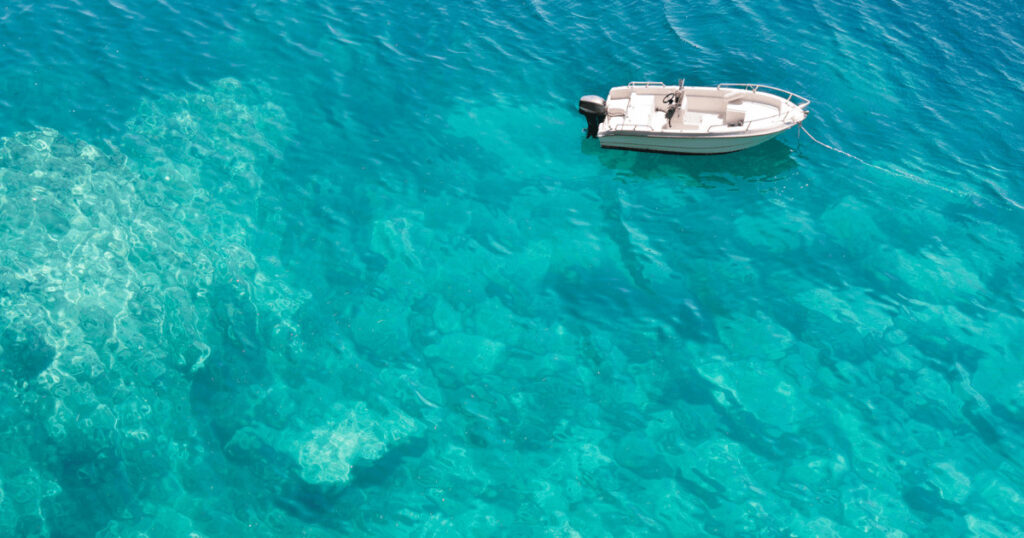
Egypt’s beaches are open all year, but each season feels genuinely different, and picking the right one changes the whole trip.
| Season | Temperature | Best for |
|---|---|---|
| Winter (Dec to Feb) | 22 to 26°C | Quiet escapes, honeymoons, fewer crowds |
| Spring (Mar to May) | Mild, steady coastal wind | Kitesurfing, calm turquoise water in Soma Bay and Sahl Hasheesh |
| Summer (Jun to Aug) | 35°C+ | Beach towns with sea breeze like Hurghada or El Gouna; plan around early morning and evening |
| Autumn (Sep to Nov) | 28 to 32°C | Diving trips to the Qulaan Islands, sunset strolls along the Red Sea Riviera |
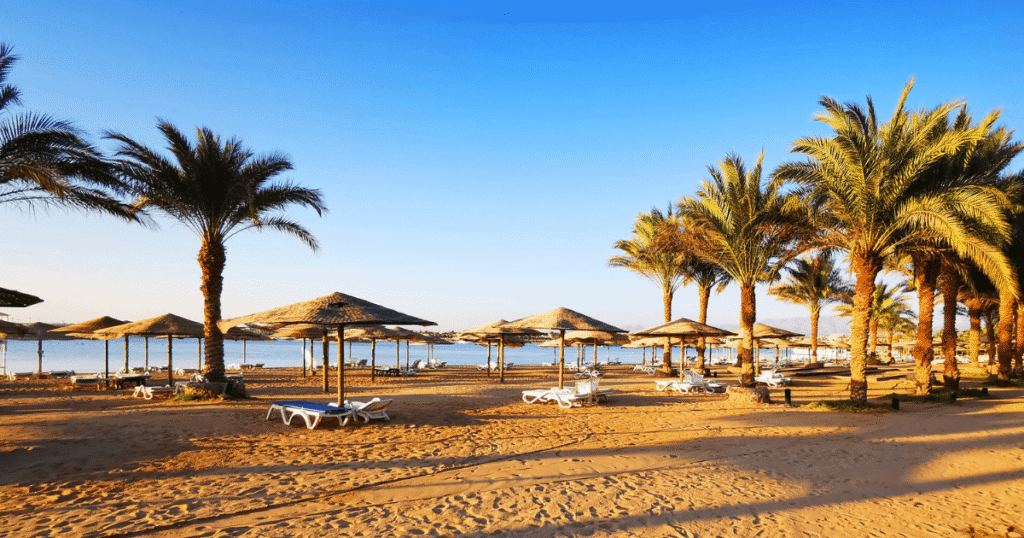
Whichever season you land in, the coast rarely disappoints. The real decision is matching the season to your travel style, calm and quiet in winter, windy and active in spring, hot and social in summer, or warm and golden in autumn.
What to Expect from the Red Sea Coast
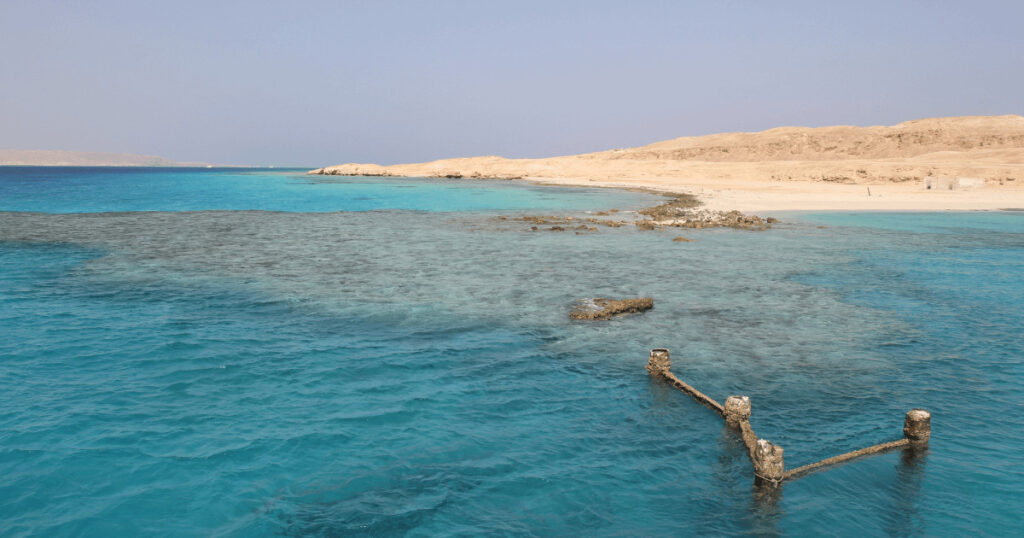
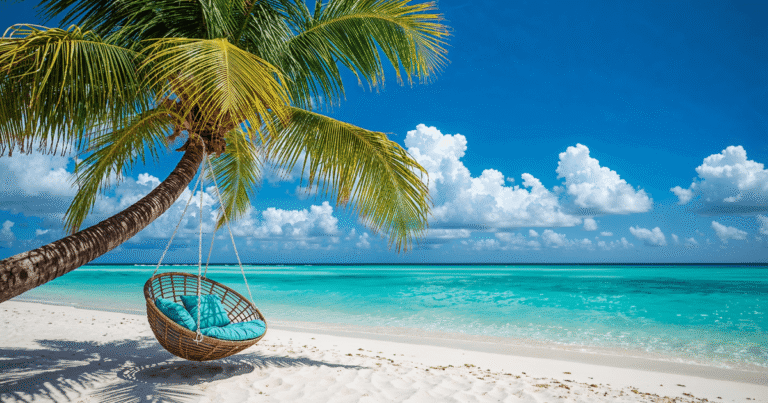
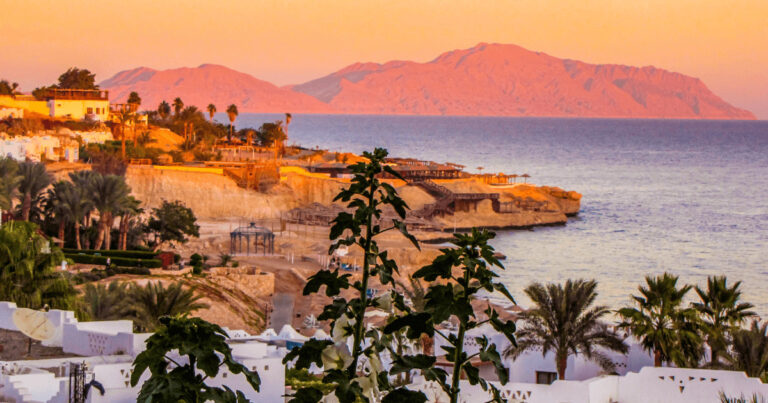
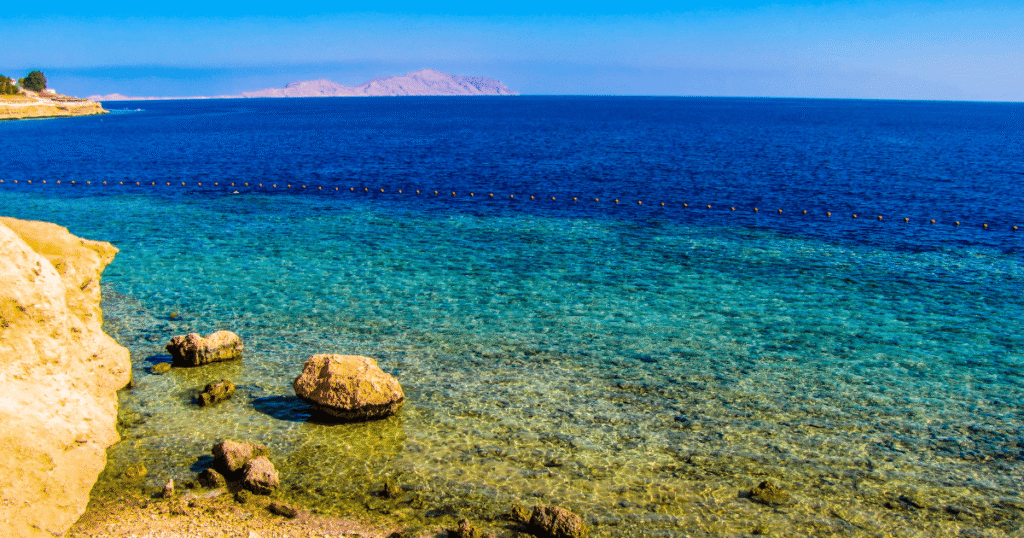
The first thing most people notice is the clarity of the water. The Red Sea is regularly compared to the Maldives or Seychelles for visibility, often at a fraction of the cost, with underwater visibility reaching up to 30 meters. That means you can spot coral and fish while standing waist-deep, which makes the coast equally good for first-time snorkelers and experienced divers.
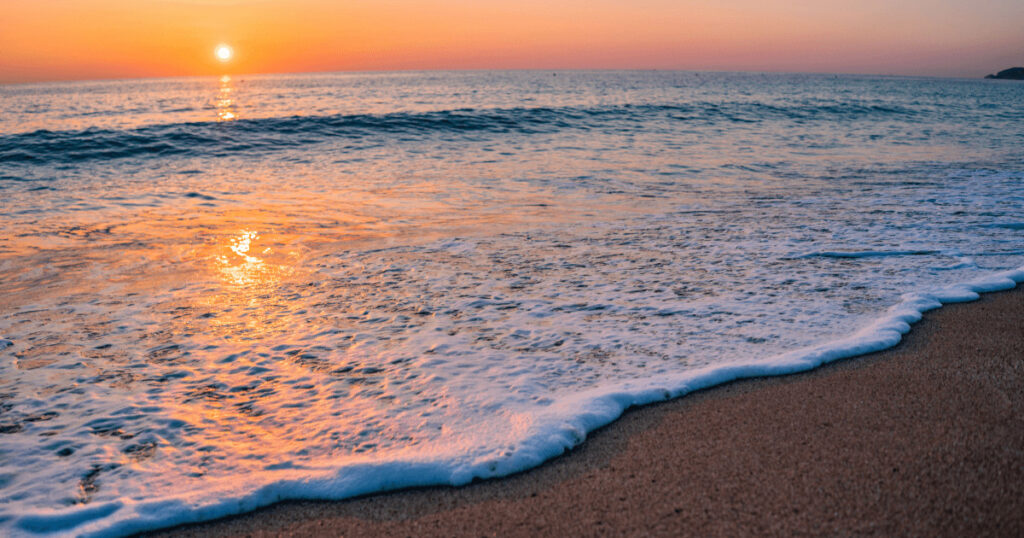
The coastline itself varies a lot more than people expect. Hurghada and El Gouna in the north have a lively, social atmosphere with beach clubs and watersports centers. Further south, Soma Bay and Sahl Hasheesh shift toward privacy and upscale resorts. Go further still to Hamata or the Qulaan Islands, and the coast turns genuinely remote, with mangroves and quiet lagoons that feel far removed from any resort strip.
Despite being one of the more accessible tropical coastlines from Europe, it rarely feels overrun. With over 350 sunny days a year, the weather cooperates often enough that a loose plan usually works out fine.
7 Essential Egypt Beach Tips
These are the details that make the difference between a good trip and a genuinely easy one, whether it is your first visit or your fifth.
1. Pack light, but smart
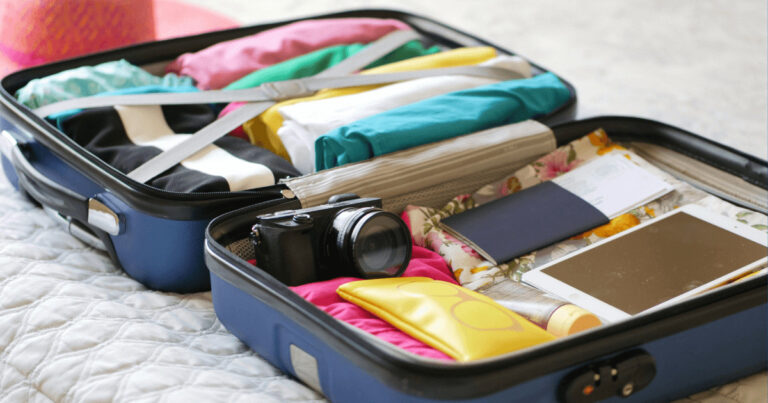
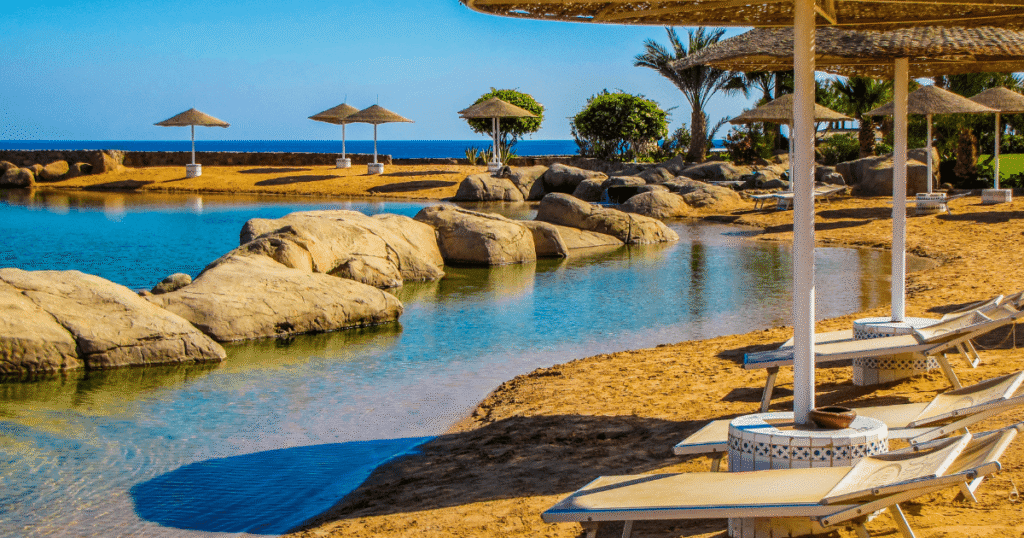
The Egyptian sun is intense, so breathable, natural fabrics work best: linen, cotton, and loose silhouettes. A wide-brimmed hat, reef-safe sunscreen, and polarized sunglasses cover most of what you will actually need.
A few small additions make a real difference too: a lightweight cover-up for walking between the beach and your room, a dry bag if you are heading out on any boat trip, and a reusable water bottle, since staying hydrated matters more here than most travelers expect. Evenings can cool down more than you’d guess, especially between November and February, so one light layer for dinner is worth the small amount of extra luggage space.
2. Time your beach days around the heat
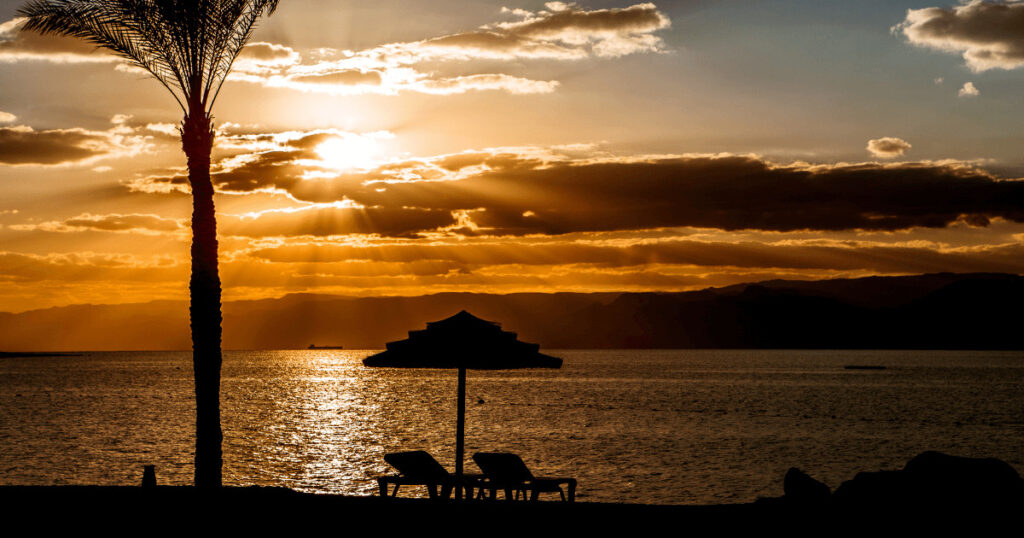
One of the most useful things to know is to avoid the midday heat. Plan beach walks and photos around sunrise or late afternoon, when the light is softer and the temperature drops, and the water tends to look its best too.
3. Try snorkeling, even if you are not a diver
The Red Sea is one of the best places in the world for snorkeling and diving, and colorful coral sits close enough to shore that beginners can enjoy it without a boat trip. For something more involved, a half-day trip to the Qulaan Islands or Giftun National Park is worth booking.
Most resorts rent snorkeling gear directly, and a short lesson from a beach attendant is usually enough to feel comfortable in the water, even for complete first-timers. If you are unsure where to start, ask your hotel’s water sports desk for the calmest nearby reef entry point, since currents and coral density vary a lot even along the same stretch of coast.
4. Choose your base by mood, not just by name
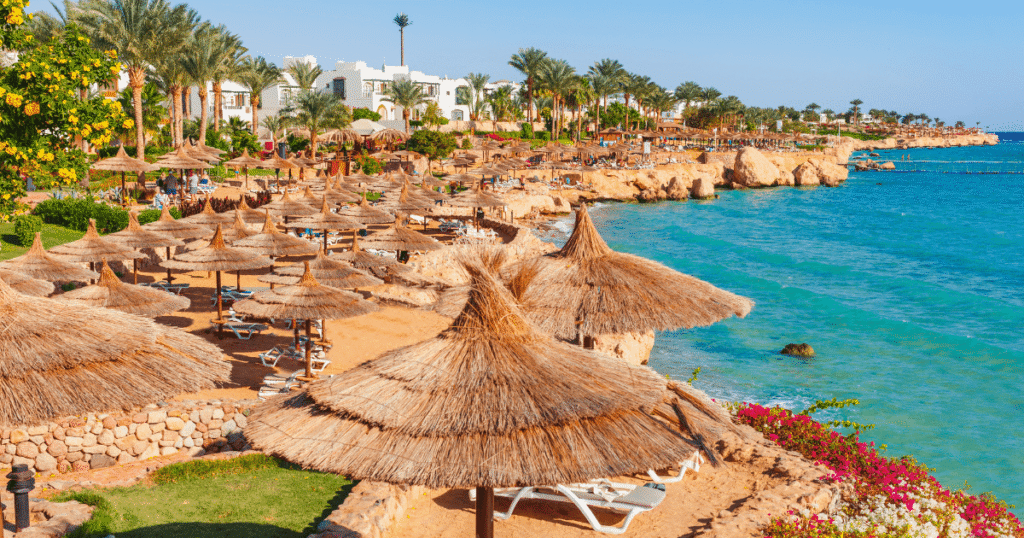
Soma Bay is serene and upscale, Hurghada is lively and social, and Sahl Hasheesh sits somewhere in between with a romantic, polished feel. Matching the town to what you actually want out of the trip matters more than picking the most photographed option.
5. Respect local etiquette outside resort grounds
Beach culture here is relaxed but still rooted in local custom. Pack a light cover-up for when you leave the beach, and dress more modestly in traditional coastal towns.
6. Try one water activity, even if you are not sporty

From kitesurfing in Soma Bay to paddleboarding in El Gouna, the coast makes it easy to try something new. Even a single session is usually enough to understand why so many people come back for the water alone.
7. Put the camera down at least once a day
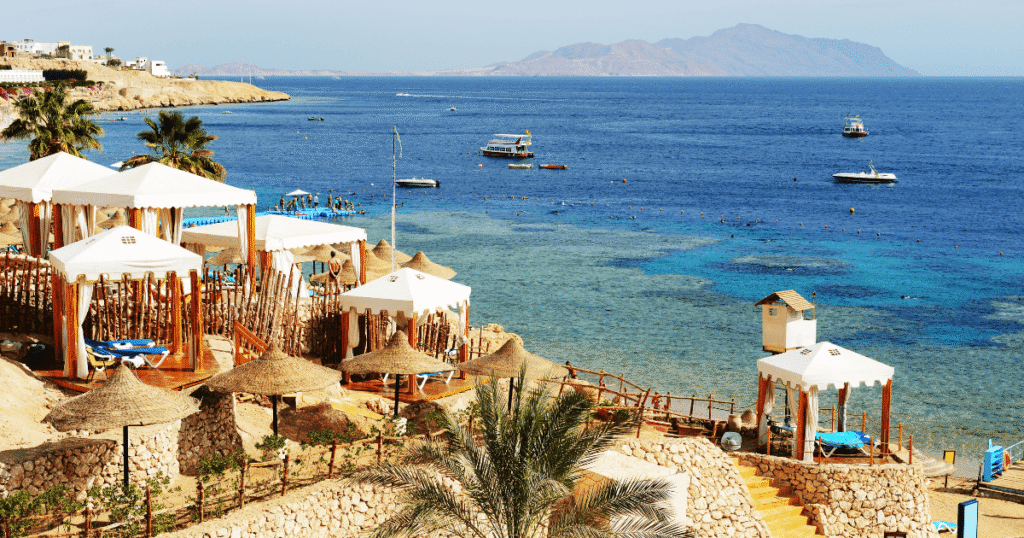
Egypt’s beaches are genuinely photogenic, but the sound of the waves and the smell of salt air are worth experiencing without a screen between you and the view, at least for part of the day.
Beaches You Can’t Miss
Once you know when to go and how to plan your days, these three spots are worth building an itinerary around.
Qulaan Islands: Egypt’s hidden tropical secret
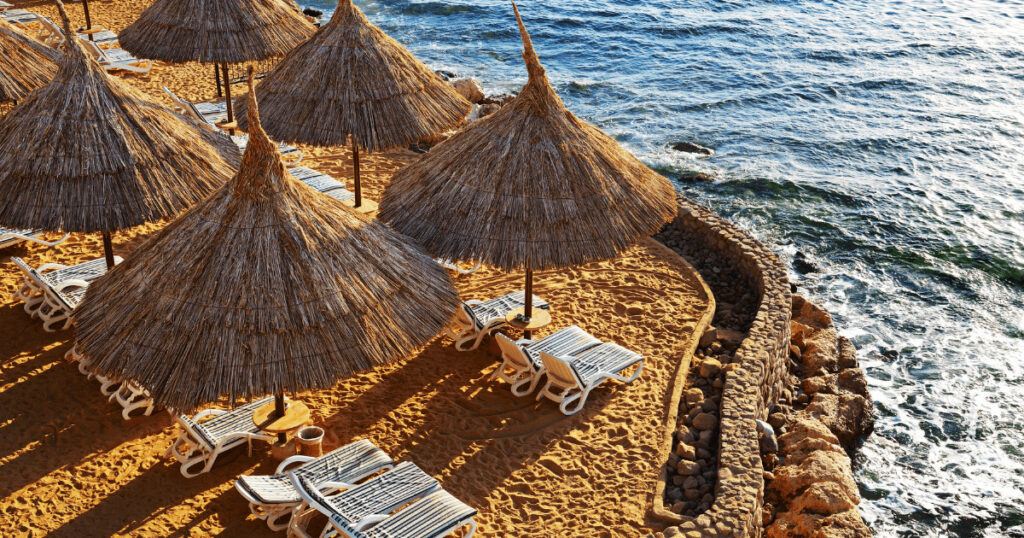
Set inside Wadi El Gemal National Park, these four small islands are reachable by boat from Hamata harbor. There are no resorts and no noise, just mangroves, turquoise lagoons, and shallow water good for snorkeling. It is one of the quieter, more private beach days on this entire coast.
Getting there takes some planning: Hamata sits roughly three hours south of Hurghada by road, so most visitors combine the trip with a stay in Marsa Alam rather than a day trip from further north. Boats typically depart in the morning and include a packed lunch, with the mangrove channels themselves worth exploring by kayak if your tour offers it, since the calm, shallow water here is some of the clearest on the whole coast.
Soma Bay: where luxury meets the Red Sea
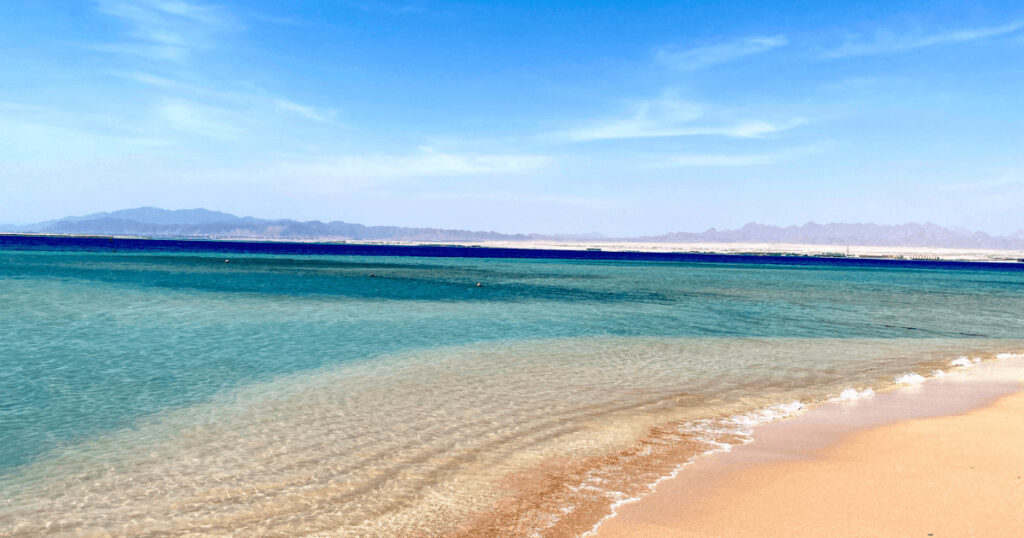
Surrounded by water on three sides about 45 km south of Hurghada, Soma Bay has a genuinely unique setting and reliable wind for water sports. Resorts like The Breakers Diving & Surfing Lodge and Kempinski Hotel Soma Bay are known for their spas and infinity pools. For details on the area’s beaches and watersports, the official Soma Bay guide is a useful resource.
The peninsula’s shape is what makes the wind here so consistent, which is exactly why it has become one of Egypt’s strongest kitesurfing bases. Even for non-surfers, the same geography means calmer, more sheltered swimming spots on the bay’s inner side, so it is worth asking your resort which beach faces which direction before settling on a spot for the day.
Sahl Hasheesh: the Red Sea’s romantic escape
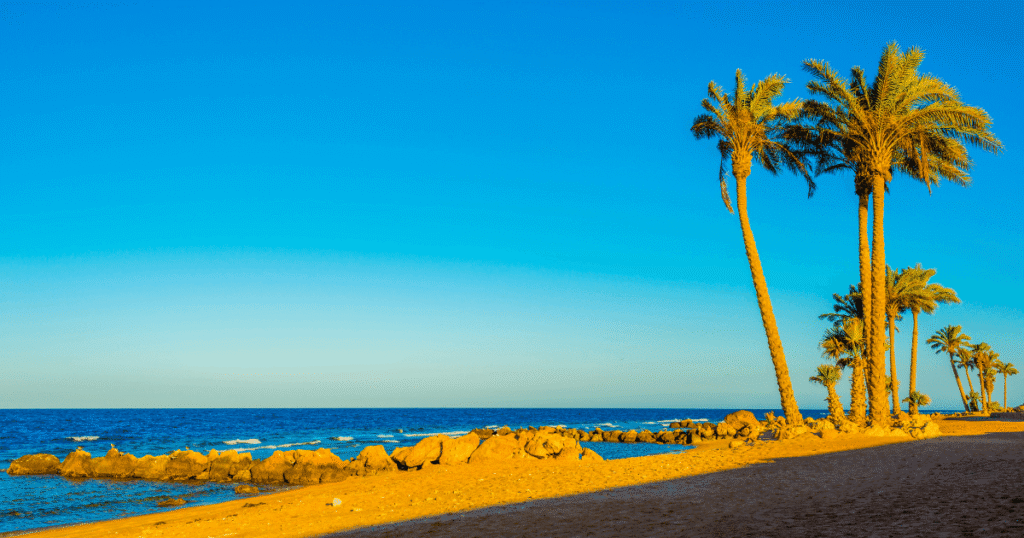
A short drive south of Hurghada, Sahl Hasheesh pairs a long boardwalk with crystal-clear water and upscale resorts such as Oberoi Beach Resort and Baron Palace. Its best-known feature is the Sunken City, an underwater site resembling ancient ruins that draws snorkelers and divers from well beyond Egypt. Sunken City diving trips can be booked directly from the resort area.
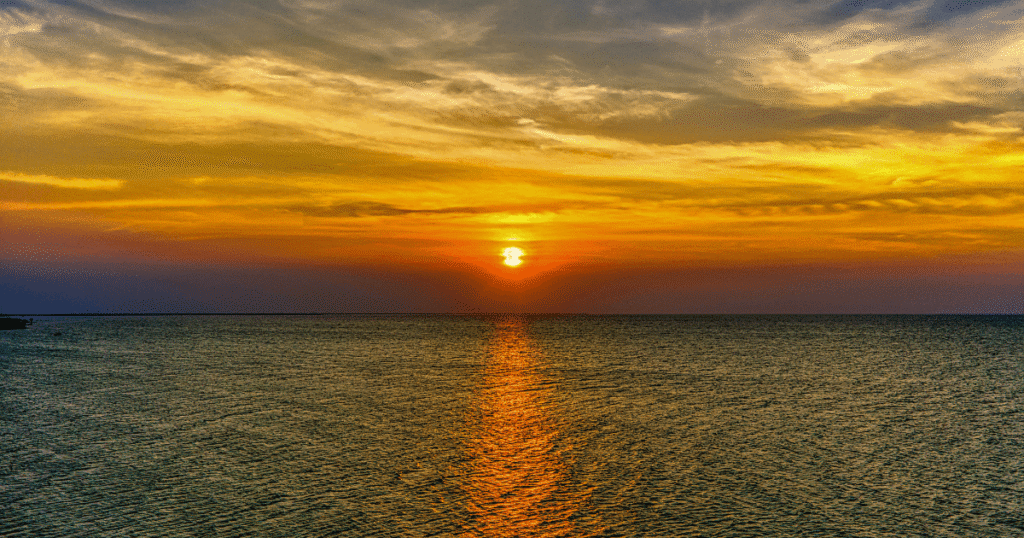
Sunset here is genuinely one of the better ones on this coast, with soft light on the water and palm trees swaying along the boardwalk.
Water Sports and Activities
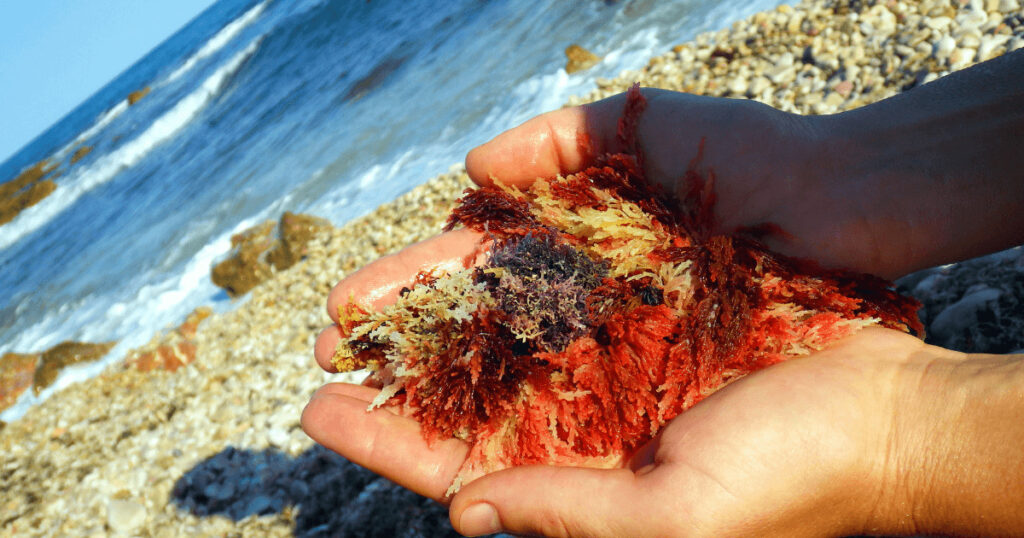
The Red Sea is one of the world’s better spots for water lovers, with warm, clear water and reliable weather for most of the year.
Snorkeling and diving around the Giftun Islands near Hurghada or the Qulaan Islands in Wadi El Gemal National Park regularly turns up butterflyfish, moray eels, and occasionally dolphins. Most resorts run guided snorkeling trips suited to complete beginners.
Kitesurfing and windsurfing center on Soma Bay, where consistent wind and a shallow lagoon suit both first-timers and experienced riders. Several resorts run their own surf centers with lessons and gear rental included.
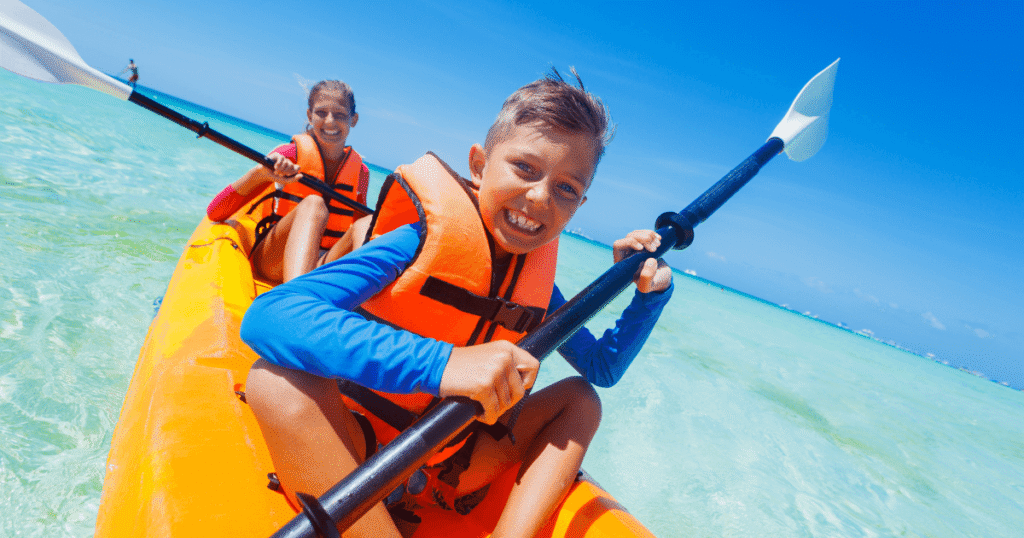
Kayaking, paddleboarding, and sailing at sunrise show the coastline from a different angle, with the water often mirroring the sky in soft pink and gold. Sahl Hasheesh and El Gouna both offer private sailing trips that work well for couples.
How to Get to Egypt’s Red Sea Beaches
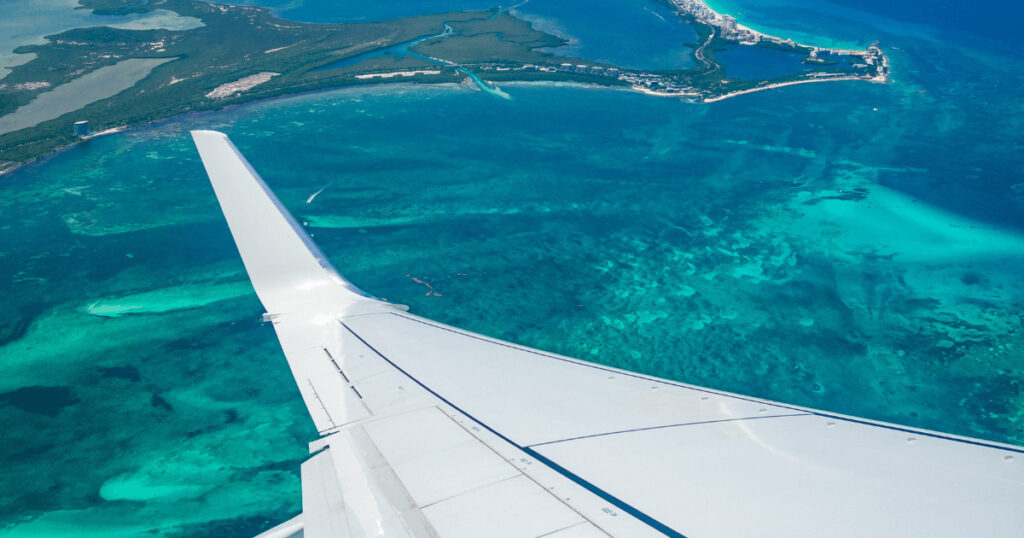
Getting to the coast is more straightforward than most first-time visitors expect.
By air is the fastest route, with direct international flights into Hurghada (HRG), Marsa Alam (RMF), or Sharm El Sheikh (SSH) from major European hubs, plus seasonal charters in summer. From Cairo, a domestic flight takes about an hour, making it easy to combine a few days in the capital with beach time.
Airport transfers are worth arranging in advance rather than sorting out on arrival. Most resorts offer a paid shuttle service, and pre-booking through the hotel or a licensed transfer company tends to be more reliable than negotiating a taxi fare at the arrivals hall, especially late at night when options thin out.
By road, the coastal highway between Hurghada and Marsa Alam passes fishing villages, resorts, and small coves, and rewards travelers with more time than a flight allows. If you rent a car, check resort access roads in advance, since some properties sit down unmarked side roads.
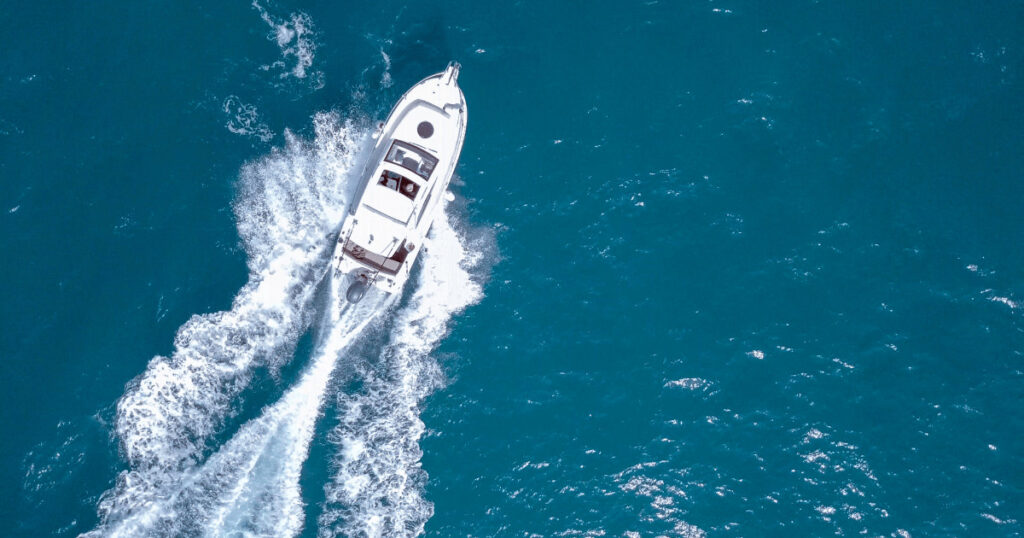
By boat, organized trips from Hurghada or Hamata stop at islands like Giftun or Qulaan, often combining transport with snorkeling or dolphin-watching along the way. If you are visiting multiple destinations, plan your route south from Hurghada toward Marsa Alam or Hamata, since the scenery gets quieter and more untouched the further you go.
Beach Etiquette and Safety Tips
A few local customs and basic precautions go a long way toward a stress-free trip, and most of them take only a moment to plan around before you leave home.
Respect local culture. Resort areas are relaxed, but modest swimwear is appreciated outside beach zones, and a cover-up or kaftan is a good idea in more traditional coastal towns.
Stay safe in the water. Check flags or posted signs for water conditions, especially during windy periods when currents can be strong. Use high SPF sunscreen and hydrate regularly, since the sun stays intense year round.
Protect the marine life. Avoid touching coral while snorkeling, since it is delicate and protected, and stick to reef-safe sunscreen so the reefs that make this coast worth visiting stay intact for the next traveler.
Carry basic health precautions. Medical facilities are solid in major resort areas, but a small first aid kit with antiseptic wipes and motion sickness remedies is worth packing if boat trips are part of your plan, and travel insurance that covers water sports is worth double-checking before you go.
Mind the tide and current changes. Some beaches, particularly around Hurghada’s more sheltered bays, have noticeably calmer mornings than afternoons once the daily wind picks up. If you are swimming with young children or are a less confident swimmer, an early start tends to mean calmer water.
Keep valuables secured. Most resort beaches are safe and well supervised, but a simple waterproof pouch for your phone and cash is worth the small cost, especially on public beaches or during boat excursions where you can’t keep an eye on your bag the whole time.
Whichever combination of these tips you end up using, the overall lesson holds across the whole coast: Egypt’s Red Sea rewards a bit of planning without demanding much of it. A loose itinerary, one or two booked activities, and enough downtime to actually enjoy the water tends to make for the best kind of trip here.
Frequently Asked Questions About Egypt Beach Tips
When is the best time to visit Egypt’s Red Sea beaches?
October to April offers the most comfortable weather overall, with winter best for quiet trips and spring best for wind sports like kitesurfing.
Is the Red Sea good for beginner snorkelers?
Yes. Visibility can reach 30 meters, and coral sits close enough to shore in many spots that beginners can snorkel without a boat trip.
Which Red Sea beach town is best for a quiet trip?
Soma Bay and Sahl Hasheesh both offer a calmer, more private atmosphere compared to the livelier beach clubs of Hurghada.
How do I get to Egypt’s Red Sea beaches?
Fly directly into Hurghada, Marsa Alam, or Sharm El Sheikh from major European hubs, or take a short domestic flight from Cairo.
What should I pack for an Egypt beach trip?
Lightweight natural fabrics, a wide-brimmed hat, reef-safe sunscreen, and polarized sunglasses cover most of what you will need day to day.
Is it safe to swim in the Red Sea?
Generally yes, but always check posted flags or signs for water conditions, particularly during windy periods when currents can be stronger.
What is the Sunken City in Sahl Hasheesh?
It is an underwater site off Sahl Hasheesh resembling ancient ruins, popular with snorkelers and divers and bookable through local dive operators.
Keep Planning Your Trip
More from our Egypt travel guides: