
Last Updated: July 2026
Expert Summary: Best Time to Visit the Dominican Republic
Focus keyword: best time to visit the Dominican Republic
The best time to visit the Dominican Republic is between December and April, when dry conditions, sunny skies, and calm seas create ideal beach weather across the entire island. January through March is peak season and perfect for Punta Cana, Samaná whale watching, and honeymoons. April is the best month for fewer crowds with the same sunshine. May through June offers good value with lush landscapes. August and September carry the highest hurricane risk and are the months most worth avoiding for resort holidays.
- Best overall months: December, January, February, March, April
- Best for whale watching: January to March (Samaná Bay)
- Best for value: May, June, November
- Best for honeymoons: January to April
- Months to approach with caution: August, September (hurricane risk)
- Best for Punta Cana: December to April
- Best for Samaná: January to March
- Best for Bayahibe and Isla Saona: March to May
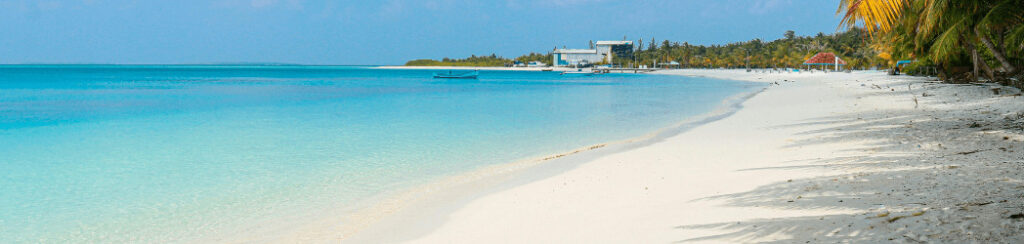
Dreaming of warm turquoise water, soft sand, and days that feel effortlessly perfect?
If you are wondering about the best time to visit the Dominican Republic, this guide will help you plan a tropical getaway that truly matches your travel dreams. Unlike most climate guides that give you a single answer, this one breaks down every month of the year, compares the top regions, and tells you exactly when to go based on your travel style. Keep reading to discover when the weather, atmosphere, and island energy align for the perfect trip.
Table of Contents
Why timing matters for your Dominican Republic trip
The best time to visit the Dominican Republic for perfect weather is between December and April, when dry conditions, sunny days, and calm seas create ideal beach and resort experiences across the whole island.
The Dominican Republic is a true year-round destination and the Caribbean’s most visited country, welcoming over 5.6 million tourists in just the first five months of 2026 according to official Dominican tourism data. But the reality is simple: choosing the right season makes the difference between effortless beach days and navigating tropical downpours, between empty shorelines and packed resort pools.

While the island offers warm tropical weather all year, conditions change enough between seasons to significantly affect beach quality, crowd levels, wildlife encounters, and overall atmosphere. If you are planning a romantic escape, a honeymoon, or a first Caribbean trip, timing is not just a detail. It is the foundation of the experience you imagined.
Understanding Dominican Republic weather throughout the year
Dry season vs rainy season at a glance
The Dominican Republic sits in the tropics and follows two main seasonal patterns that shape everything from beach conditions to prices and crowd levels.
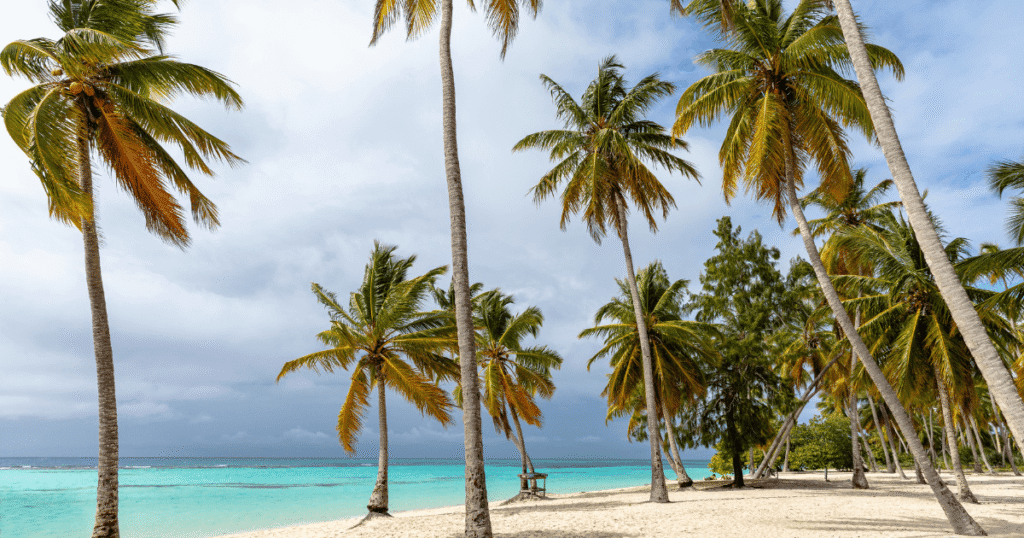
The dry season runs from December to April. It brings lower humidity, clear skies, and calm seas. Average temperatures hover between 24°C and 30°C (75°F to 86°F) across coastal areas. This is when the island feels most like the postcard image most travelers carry in their minds.
The rainy season runs from May to November. It does not mean constant rain. Short tropical showers typically last one to two hours and are often followed by sunshine. Landscapes turn lush and green, prices soften, and beaches become quieter. For flexible travelers, this season still delivers a genuinely rewarding trip.
The north coast (Puerto Plata, Cabarete) and the Samaná Peninsula follow a slightly different rainfall pattern than the south and east coasts (Punta Cana, Bayahibe, La Romana). In practical terms, this means that when Punta Cana is wet, Samaná may be drier, and vice versa. Understanding these regional differences is key to planning a trip that matches your destination of choice.
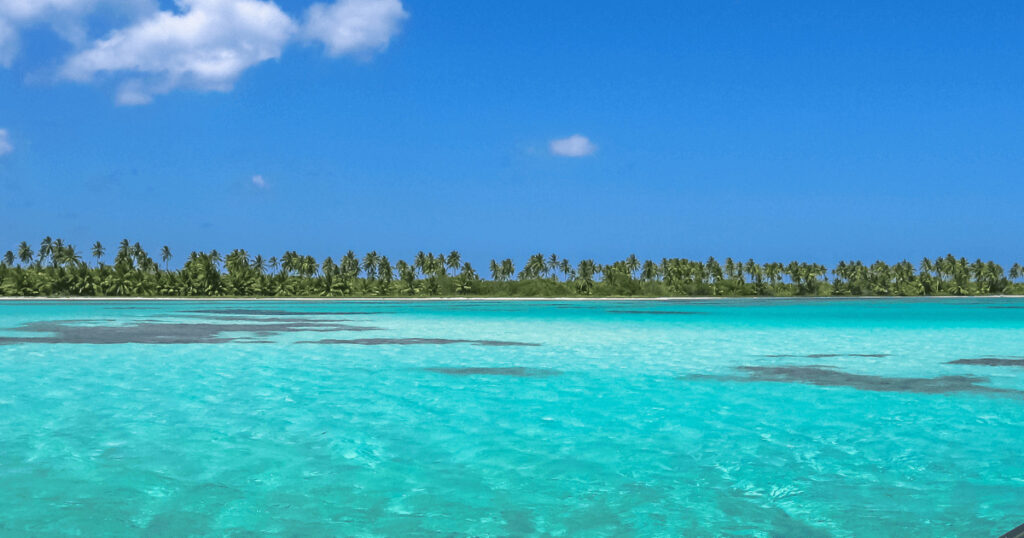
Dominican Republic month-by-month matrix: rainfall, crowds, and value
Use this reference table to compare every month at a glance across the key factors that affect your trip.
| Month | Rainfall | Crowds | Prices | Hurricane Risk | Best For |
|---|---|---|---|---|---|
| January | Very Low | High | High | None | Beaches, honeymoons, whale watching |
| February | Very Low | High | High | None | Romantic couples, whale watching, Samaná |
| March | Low | High | High | None | All travel styles, Isla Saona day trips |
| April | Low | Medium | Medium | None | Best value in dry season, couples |
| May | Medium | Low | Low | Very Low | Budget travelers, lush scenery |
| June | Medium | Low | Low | Low | Cabarete kitesurfing, budget stays |
| July | Medium-High | Medium | Medium | Low-Medium | Flexible travelers, water sports |
| August | High | Low | Low | High | Avoid for resort holidays |
| September | High | Very Low | Very Low | Highest | Generally avoid |
| October | Medium-High | Very Low | Low | Medium | Adventurous solo travelers |
| November | Medium | Low | Low | Low | Early arrivals, budget honeymoons |
| December | Very Low | High | High | None | Luxury resorts, Christmas and New Year |
Month-by-month guide to visiting the Dominican Republic
Each month in the Dominican Republic feels slightly different, from vibrant peak-season energy to slow, sun-drenched days perfect for discovering quieter corners of the island.
Understanding the Dominican Republic weather by month makes it much easier to choose the best time to visit based on your travel style. Here is what to expect in each period of the year.
January to March: peak season and perfect days
What is January to March like in the Dominican Republic? January through March is the peak of the dry season and the most popular window for international travelers. Rainfall is at its annual low, temperatures are warm but comfortable (averaging 26°C to 29°C / 79°F to 84°F on the coast), and the sea is calm and clear. This is the most reliable window for guaranteed sunshine anywhere on the island.
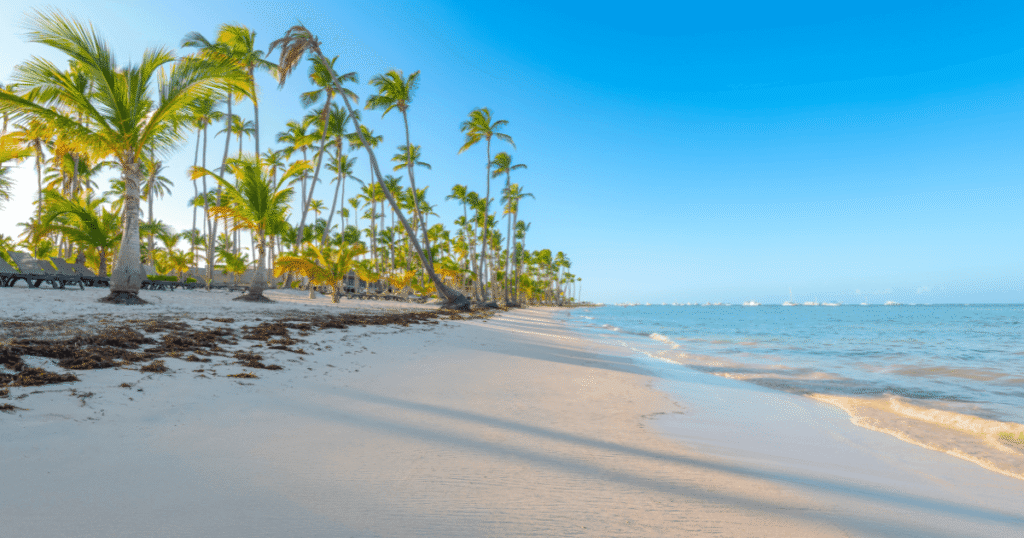
This period is also when humpback whales migrate to Samaná Bay, making January to March the only window of the year to witness one of the Caribbean’s most spectacular natural events. Whale watching tours operate daily from the town of Samaná between mid-January and late March.
The main trade-off is price and crowds. December through March is high season, and resort rates reflect that. Book well in advance, particularly for February travel, which tends to sell out earliest due to Valentine’s Day demand.
Best for: Honeymoons, romantic couples, first-time visitors, whale watching, luxury resort stays, families.
April: the underrated sweet spot
Is April a good time to visit the Dominican Republic? April is consistently one of the best months to visit the Dominican Republic for travelers who want the benefits of dry season weather without peak-season crowds or prices. Sunshine is reliable, sea temperatures are warm, and resorts begin to quiet down noticeably after the school holiday rush of March.
Weather in April in Punta Cana still delivers warm days and calm seas averaging around 29°C (84°F), with very low rainfall. It is an excellent choice for couples seeking a quieter romantic beach experience without sacrificing sunshine. Accommodation prices begin to drop compared to January through March, particularly in the final two weeks of April, making it one of the best value windows in the entire year.
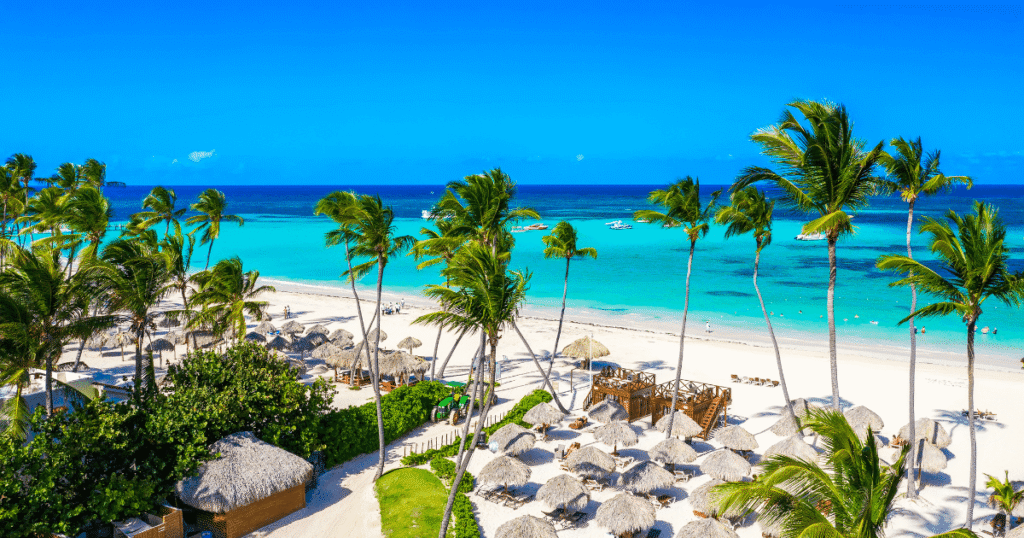
Best for: Couples, value-focused travelers, those who want dry season conditions with smaller crowds. April is also excellent for Bayahibe and Isla Saona day trips before rainy season begins.
May to June: lush landscapes and lower prices
What is May and June like in the Dominican Republic? May and June mark the transition into the rainy season but should not be dismissed. Short tropical showers are common in the afternoons, typically lasting one to two hours before giving way to sunshine. Landscapes are vivid green, waterfalls in Jarabacoa and Samaná are at their most impressive, and resort prices are significantly lower than peak season.
June is also peak season for kitesurfing and windsurfing in Cabarete, where consistent trade winds make conditions ideal for water sports from June through September. If your priority is adventure rather than pure beach relaxation, May and June can be excellent months to visit the north coast.
Best for: Budget travelers, nature lovers, adventurous couples, kitesurfing, exploring Jarabacoa and the mountains.
July to September: tropical heat and hurricane awareness
Should you avoid July to September in the Dominican Republic? July is warmer and more humid than earlier months but remains manageable for beach travel, particularly in the first half of the month. August and September are the most challenging months for resort holidays, with the highest rainfall totals, peak hurricane risk, and lower overall beach quality along exposed coastlines.
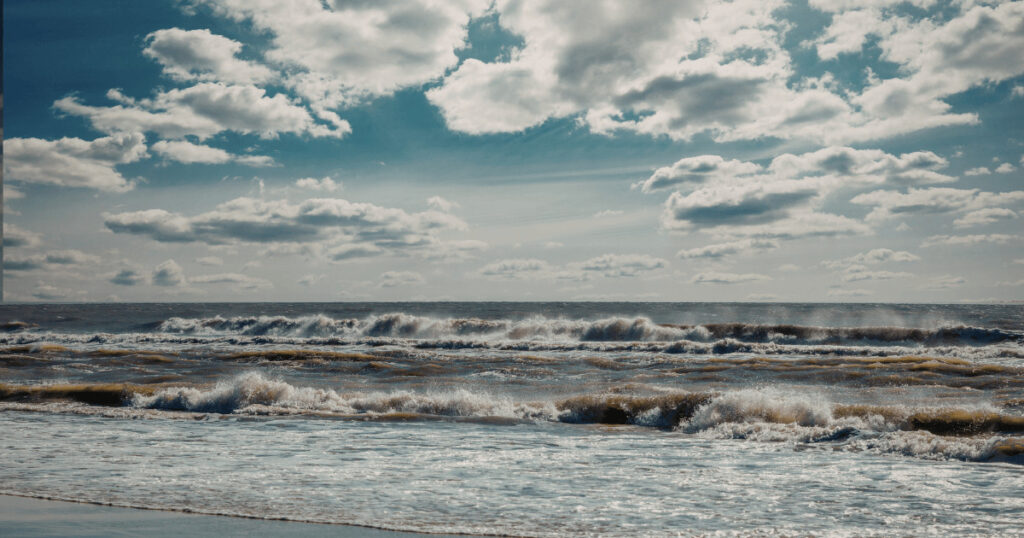
That said, direct hurricane hits are historically rare, and many travelers visit during these months without incident. For travelers focused on guaranteed perfect weather, August and September are best avoided. For flexible travelers chasing very low prices and empty beaches, these months can offer unexpectedly peaceful moments between weather systems. Travel insurance is essential if you book during this period.
Best for: Very flexible travelers, budget-first priorities, those who have visited before and know what to expect. Not recommended for first-time visitors or honeymoons.
October and November: calm, quiet, and overlooked
Is November a good time to visit the Dominican Republic? October is still within the active hurricane window but statistically calmer than August and September. November marks the genuine end of hurricane season and the beginning of the transition back toward dry conditions. Prices are at their annual low in early November before starting to rise for December.
These months suit travelers who enjoy slower travel, empty beaches, and a more authentic local atmosphere. Resorts are nearly empty and staff attention is noticeably more personal. For couples planning a honeymoon on a tighter budget, late November can be a smart window: dry season conditions are beginning to return but peak-season pricing has not yet arrived.
Best for: Budget honeymooners, solo travelers, repeat visitors who enjoy the island outside high season, early arrivals before December prices rise.
December: the start of paradise season
What is December like in the Dominican Republic? December signals the return of the dry season and the start of the most popular travel window on the island. Weather is reliable, the humidity drops, and the island energy shifts as resorts fill with international guests. The Christmas and New Year period (December 20 through January 5) is the most expensive and busiest window of the entire year. Book at least four to six months in advance if you are planning a Christmas or New Year trip.
Best for: Christmas and New Year celebrations, families, luxury resort stays, all-inclusive holidays.
Best time to visit Dominican Republic by region
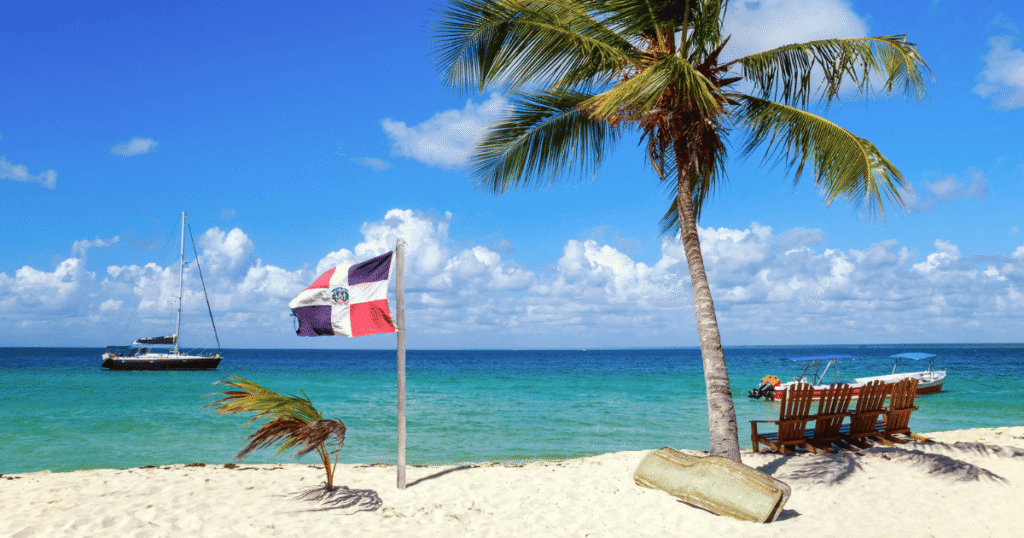
Punta Cana, Samaná, and Bayahibe have different sweet spots within the same calendar year.
One of the most common planning mistakes is treating the Dominican Republic as a single weather zone. In reality, the island’s geography creates meaningful differences between its main tourist regions. Here is how to choose your timing based on where you are going.
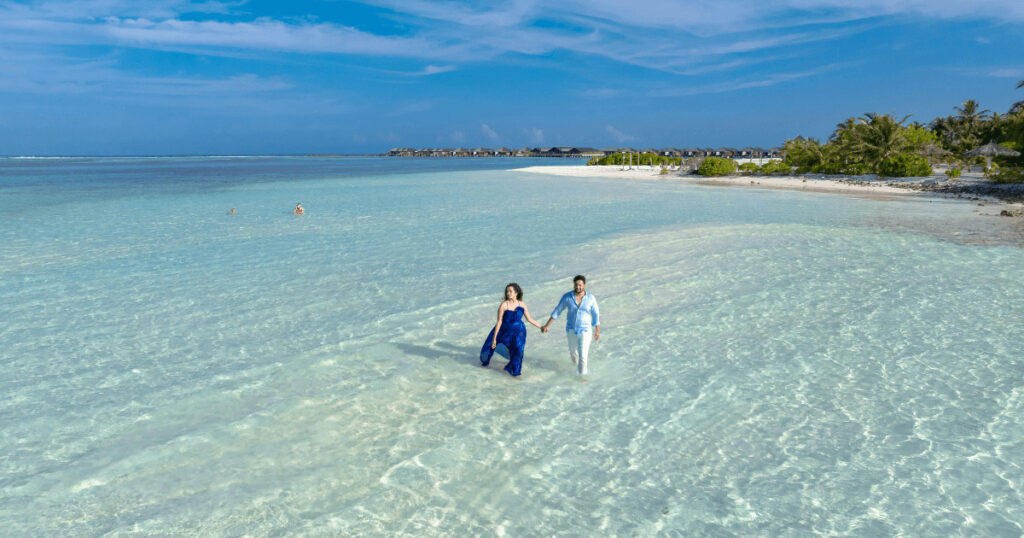
The east coast (Punta Cana, Bayahibe, La Romana) follows the most classic dry season pattern and is most reliable from December through April. The Samaná Peninsula has its own peak moment between January and March for whale watching, but its lush jungle landscape is beautiful even outside dry season. The north coast (Puerto Plata, Cabarete) benefits from trade winds year-round and peaks for water sports between June and September.
| Region | Best Months | Avoid | Why It Stands Out |
|---|---|---|---|
| Punta Cana | December to April | August to September | All-inclusive resorts, Bávaro Beach, Isla Saona tours |
| Samaná Peninsula | January to March | September to October | Humpback whale watching, Playa Rincón, El Limón |
| Bayahibe and La Romana | March to May | August to September | Snorkeling, Isla Saona, Altos de Chavón visits |
| Santo Domingo | November to April | No strong restrictions | Year-round city, UNESCO Zona Colonial, culture |
| Cabarete and Puerto Plata | June to September (wind sports); Dec to April (beach) | October | Kitesurfing, adventure, north coast beaches |
| Jarabacoa | November to April | No strong restrictions | Mountain waterfalls, river rafting, hiking year-round |
Best time to visit Dominican Republic by travel style
The best time to visit the Dominican Republic depends less on the calendar and more on what you want to experience. Here is a breakdown by travel style to help you decide.
Best time for a romantic getaway or honeymoon
For a romantic escape or honeymoon, the dry season from January to April offers the most reliable conditions. Skies are clear, seas are calm, and the longer daylight hours create those golden sunsets that define Caribbean romance. January and February are the most popular months for honeymoons, though April delivers the same sunshine at noticeably lower resort rates.

The average honeymoon budget in the Dominican Republic is around $4,000 to $8,000 per couple for a one-week trip, according to resort booking data, with adults-only resorts in Punta Cana and boutique hotels in Samaná being the most popular honeymoon choices. Read our full guide to planning the perfect Dominican Republic honeymoon for resort recommendations and itinerary ideas.
Best time for a budget-friendly tropical vacation
Travelers looking for the best value should consider May, June, or November. These months offer resort rates that can be 30% to 50% lower than peak season prices, while still delivering warm weather and manageable rain levels. Early November is particularly good: hurricane season has statistically ended, dry conditions are returning, and prices have not yet risen for December.
All-inclusive packages in Punta Cana during these value months can drop to $150 to $250 per person per night from rates that exceed $400 per person in high season. For flexible travelers who can handle an occasional afternoon shower, these months offer excellent beach days at a fraction of the peak-season cost.
Best time for whale watching in Dominican Republic
When is whale watching season in the Dominican Republic? Whale watching in the Dominican Republic takes place between mid-January and late March, when humpback whales migrate to the warm, sheltered waters of Samaná Bay to breed and give birth. This is the only place in the Caribbean where you can reliably observe this migration from shore and by boat. February is the single best month for whale watching, with the highest concentration of whales in the bay. Tours operate daily from the town of Samaná and typically last 3 to 4 hours.
Best time for adventure and water sports
For kitesurfing and windsurfing in Cabarete, the best window is June through September, when consistent trade winds of 15 to 25 knots blow steadily along the north coast. Cabarete’s Kite Beach is considered one of the best kitesurfing destinations in the world during this period. For river rafting in Jarabacoa, the water levels are highest between June and October, making the rapids on the Yaque del Norte most exciting.
Best time for relaxed beach stays and resort holidays
For travelers focused on pure relaxation, December through April remains the best choice. During these months, beach conditions across Punta Cana and the southeast coast are consistently excellent: calm water, low waves, and comfortable temperatures perfect for long days by the pool or on the sand.
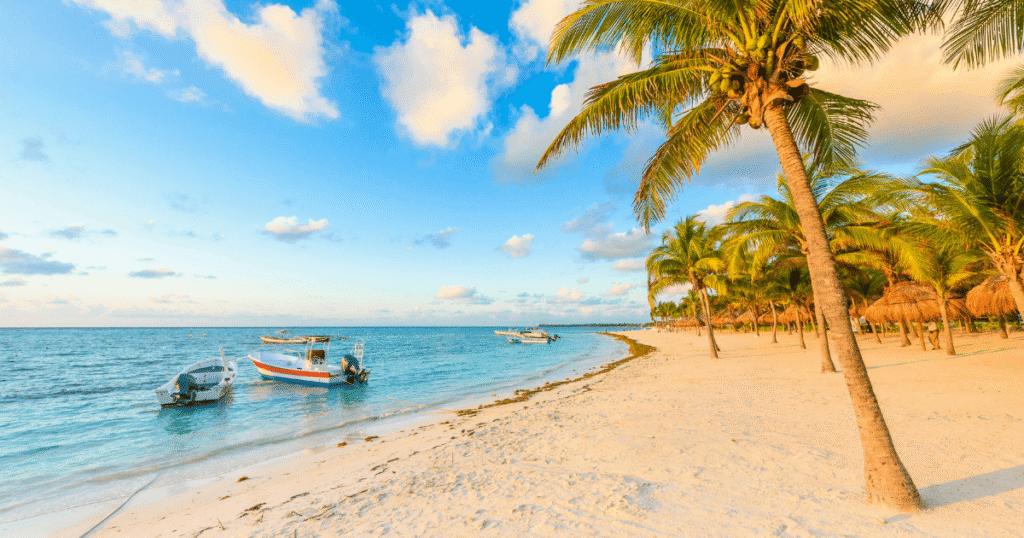
Isla Saona day trips, snorkeling excursions from Bayahibe, and catamaran tours all operate at their most reliable between December and April, with calmer seas making for smoother crossings and better underwater visibility. If you want to include a day trip to Isla Saona as part of your trip, this is the best window to book it.
When is the worst time to visit the Dominican Republic?
What is the worst month to visit the Dominican Republic? August and September are the most challenging months for resort holidays. These two months combine the year’s highest rainfall totals, peak hurricane risk, highest humidity, and strongest tropical storm activity. While direct hurricane hits on the Dominican Republic are historically uncommon, the threat of tropical systems disrupting travel plans and causing resort closures is real during this window.
That said, there is no universally “terrible” month on the island. Even in August and September, many days are warm and sunny. Travelers who have visited before, who are comfortable with weather uncertainty, and who prioritize very low prices and empty beaches may still find these months acceptable. The key difference is that for first-time visitors, honeymooners, and travelers with fixed itineraries, August and September carry a risk-reward balance that most travelers would not accept if they understood it clearly before booking.
The key is not avoiding certain months entirely, but understanding how Dominican Republic weather by month aligns with your travel style and how much weather uncertainty you are comfortable with. For any trip booked between June and October, comprehensive travel insurance that covers weather-related cancellations is essential, not optional.
Hurricane season in Dominican Republic: what travelers need to know
How dangerous is hurricane season in the Dominican Republic? The Atlantic hurricane season officially runs from June 1 to November 30, with peak activity between August 15 and October 15. The Dominican Republic sits within the Atlantic hurricane belt, but the island’s mountainous terrain offers some protection compared to smaller, flatter Caribbean islands.
Historically, the Dominican Republic receives a direct hurricane hit roughly once every 15 to 20 years on average, though tropical storms and tropical depressions that cause heavy rain and wind can occur more frequently. The north and east coasts (Puerto Plata, Punta Cana) tend to be more exposed than the southwest coast. September is statistically the most active month for Atlantic tropical systems.
Practical advice for travelers considering rainy or hurricane season travel:
- Book all-inclusive resorts with flexible cancellation policies.
- Purchase comprehensive travel insurance that explicitly covers tropical weather events.
- Monitor National Hurricane Center advisories in the two to three weeks before departure.
- Consider travel in the first two weeks of June or after November 15, when hurricane risk is substantially lower while prices remain off-peak.
How to choose the best time to visit Dominican Republic for your trip
Choosing the best time to visit the Dominican Republic comes down to three factors: what you want to experience, how much weather certainty you need, and what your budget allows. Use this simple framework to decide:
- If you want guaranteed sunshine and the best beach conditions: travel December through March and accept peak-season prices.
- If you want dry season weather with lower prices and smaller crowds: travel in April or early May.
- If you want whale watching in Samaná: travel between mid-January and late March, with February as the peak.
- If you want maximum value and are comfortable with afternoon showers: travel in May, June, or November.
- If you want kitesurfing or water sports in Cabarete: travel between June and September.
- If you want a first-time visit with no weather surprises: travel January through April and do not look back.
For a complete picture of what to see and do once you arrive, read our guide to the 10 Best Places to Visit in Dominican Republic, and for honeymoon-specific planning, our Dominican Republic Honeymoon Guide covers the best resorts, regions, and romantic experiences season by season.
Ultimately, the right timing balances weather, crowds, and personal priorities. Whether you are planning a once-in-a-lifetime dream vacation, a relaxed beach break, or a romantic honeymoon, choosing the right moment ensures your experience feels effortless and deeply memorable. The Dominican Republic is waiting. You just need to pick your moment.
For official seasonal insights and entry requirements, you can also check the Dominican Republic Ministry of Tourism website directly.
Frequently Asked Questions: Best Time to Visit the Dominican Republic
What is the best time to visit the Dominican Republic?
The best time to visit the Dominican Republic is between December and April, the dry season. This period offers the most reliable sunshine, lowest rainfall, and calmest seas across the entire island. January through March is peak season with the most guaranteed perfect weather. April is the best month for combining good weather with lower prices and fewer crowds.
What is the best month to visit Punta Cana?
The best months to visit Punta Cana are December through April, when dry season conditions deliver consistent sunshine and calm Caribbean water. April is a particularly good choice because weather remains excellent while resort prices and crowd levels drop compared to the peak January to March window. Avoid August and September for Punta Cana due to high hurricane risk.
When is whale watching season in Dominican Republic?
Whale watching season in the Dominican Republic runs from mid-January to late March, when humpback whales migrate to Samaná Bay to breed and give birth. February is the single best month, with the highest concentration of whales in the bay. Tours depart daily from the town of Samaná and typically last 3 to 4 hours.
Is the Dominican Republic good in November?
November is a reasonable time to visit, especially from mid-November onward when the rainy season is winding down and hurricane season has statistically ended. Resort prices are at their annual low in early November before rising for December. November suits budget-conscious travelers and couples looking for a quieter honeymoon at lower rates, though weather is less predictable than the peak dry season window.
What is the rainy season in the Dominican Republic?
The rainy season runs from May to November, with peak rainfall in August and September. It does not mean constant rain. Tropical showers typically last one to two hours in the afternoon and are often followed by sunshine. May, June, and November are the most manageable rainy season months for beach travel, with significantly lower prices than dry season.
When is hurricane season in Dominican Republic and should I be worried?
Hurricane season officially runs from June 1 to November 30, with peak risk between mid-August and mid-October. August and September carry the highest hurricane risk and are the months most worth avoiding for resort holidays. Direct hurricane hits on the Dominican Republic are historically uncommon, but tropical storms causing rain and disruption occur more regularly. If you travel between June and October, comprehensive travel insurance with weather coverage is essential.
What is the best time to visit the Dominican Republic for a honeymoon?
The best time for a Dominican Republic honeymoon is between January and April. January through March offers the most reliable sunshine and peak romantic atmosphere. April is the best value choice for honeymooners who want dry season weather at lower prices and with fewer crowds. For couples who want humpback whale watching during their honeymoon, January or February is the ideal choice, as whales are present in Samaná Bay only between mid-January and late March. Read our full Dominican Republic Honeymoon Guide for resort and itinerary recommendations.
Is June a good time to visit the Dominican Republic?
June is a decent time to visit for the right type of traveler. Prices are significantly lower than dry season, resorts are quieter, and for Cabarete on the north coast, June marks the beginning of peak kitesurfing and windsurfing season. However, June also marks the start of the rainy season, with more frequent afternoon showers. For travelers who prioritize guaranteed beach weather, the dry season months are a better choice. For budget-conscious travelers who accept afternoon showers, June can offer excellent value.

If you are planning a honeymoon, this timing guide pairs perfectly with our complete Dominican Republic Honeymoon Planning Guide. And if you are still deciding where on the island to spend your time, our guide to the 10 Best Places to Visit in Dominican Republic breaks down every region by experience and travel style.