
“Last Updated: July 2026”
Affiliate Disclosure: Beyond the Coast participates in affiliate programs including Booking.com, Viator, GetYourGuide, and Sandals Resorts. If you purchase through links on our site, we may earn a small commission at no extra cost to you. This helps keep our travel guides free and supports our research.
Expert Summary
The best beaches in Dominican Republic range from resort-lined stretches to completely untouched coastline reachable only by boat. Bávaro Beach in Punta Cana is the most swimmable and resort-friendly, with calm, shallow water and the country’s largest concentration of all-inclusive hotels. Playa Rincón on the Samaná Peninsula is consistently ranked among the most beautiful beaches in the Caribbean, with kilometers of golden sand and almost no crowds. Bahía de las Águilas in the remote southwest is the most pristine, a six-mile stretch of white sand inside a national park with zero development. For snorkeling, Isla Catalina and the Isla Saona natural pool offer the clearest water and the richest marine life. Sargassum seaweed is a real seasonal issue on the east coast between March and October, while the north and southwest coasts stay largely unaffected.
📍 This guide is part of our complete Dominican Republic Travel Guide Hub, covering where to stay, honeymoon planning, hidden gems, and safety tips, all in one place.
10 best beaches in Dominican Republic that will take your breath away
The Dominican Republic is not one beach. It is at least five completely different coastlines wearing the same passport stamp, the polished, all-inclusive shoreline of Punta Cana, the wild and empty bays of the Samaná Peninsula, the reef-protected waters near La Romana, and the cosmopolitan beach town energy of Las Terrenas. Choosing among the best beaches in Dominican Republic is really a question of what kind of trip you want, not just which sand looks nicest in a photo.
After comparing every major coastal region of the island, from the resort strip of Bávaro to the boat-only cliffs of Playa Frontón, these are the 10 best beaches in Dominican Republic worth building a trip around. Some are easy, some take real effort to reach, and a few are worth an entire day just to get there and back. Inside, you will find honest notes on swimming conditions, crowd levels, how to get there, and which beach fits which kind of traveler, whether you are planning a honeymoon, a family holiday, or a solo escape.
Planning your first trip to the island? Check out our honest guide to where to stay in Dominican Republic to match your beach picks with the right base.
The 10 best beaches in Dominican Republic
Bávaro Beach – the most swimmable beach in Dominican Republic
Playa Rincón – the most beautiful, least crowded beach on the island
Bahía de las Águilas – six untouched miles inside a national park
Isla Saona – the classic Dominican Republic day trip
Isla Catalina – calm reef snorkeling near La Romana
Playa Cosón – miles of sand near Las Terrenas
Playa Bonita – Las Terrenas’ beach for couples
Playa Frontón – the boat-only clifftop beach
Playa Macao – wild waves near the resort zone
Cayo Levantado – the postcard island in Samaná Bay
Quick Beach Guide
Which Dominican Republic Beach Is Right for You?
Best for resort holidays
Bávaro Beach
The most swimmable beach in Dominican Republic. Calm, shallow water, white sand, and the country’s largest resort strip.
Best for couples
Playa Rincón
Kilometers of golden sand backed by green hills. Consistently ranked among the most beautiful beaches in the Caribbean.
Best for snorkeling
Isla Catalina
Protected marine area near La Romana with clear water, coral reefs, and minimal boat traffic.
Best day trip
Isla Saona
The classic catamaran trip, ending at a shallow natural pool where starfish gather in the sand.
Best for solitude
Bahía de las Águilas
Six miles of undeveloped white sand inside Jaragua National Park. No resorts, no vendors, no crowds.
Best for adventure
Playa Frontón
Dramatic limestone cliffs, boat or hike-only access, and some of the clearest water in Samaná.
Planning a honeymoon and not sure which region fits you as a couple? Take the free Honeymoon Matcher quiz →
Bávaro Beach, Punta Cana – the most swimmable beach in Dominican Republic
Bávaro Beach is the Dominican Republic’s most famous stretch of coastline, and for most first-time visitors it is the answer to where the best beaches in Dominican Republic actually are. The water is calm and shallow enough for confident swimming almost year-round, the sand is soft and white, and it is lined with the country’s highest concentration of five-star all-inclusive resorts.
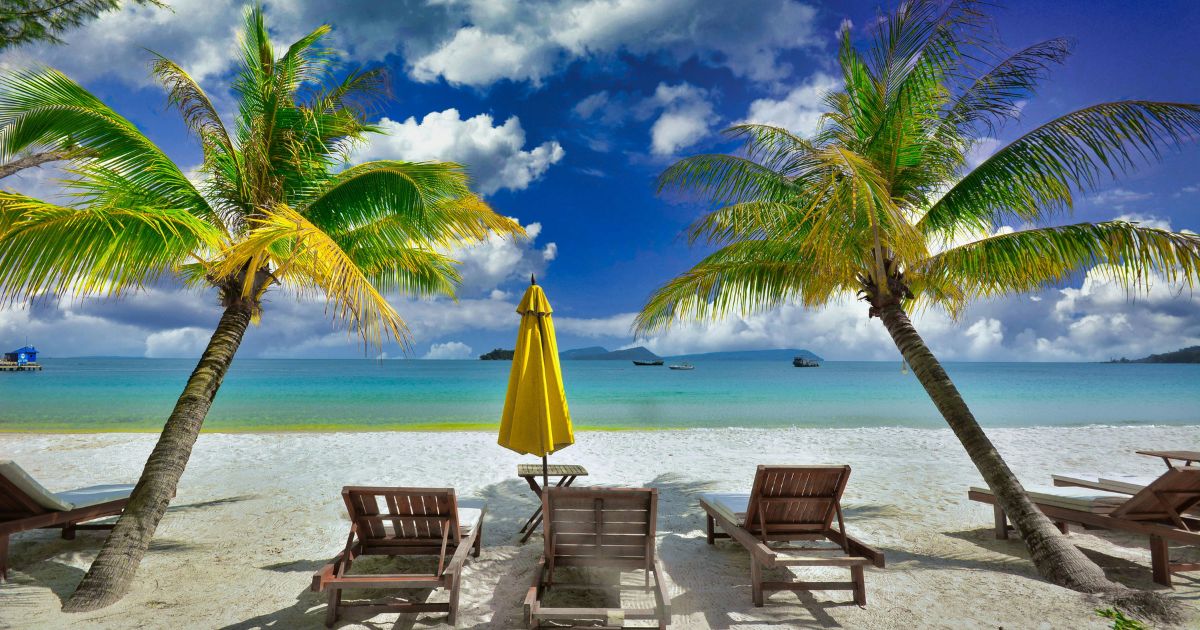
What makes Bávaro so easy to love is how little planning it demands. Most resorts sit directly on the sand, so a beach day is simply a matter of walking out of your room. Beach chairs, umbrellas, and watersports are usually included, and the barrier reef offshore keeps the water noticeably calmer than beaches further north.
The honest downside is crowding and, at certain times of year, sargassum seaweed. Between roughly March and October, patches of seaweed can wash ashore on the east coast, and while resorts clear their sections daily, it is worth checking recent guest reviews before booking if you are visiting in peak seaweed months.
Why I would recommend it: Bávaro is ideal for first-time visitors, families, and couples who want a stress-free, all-inclusive beach holiday with zero logistics. It is not the place to go if you are craving solitude, that comes later on this list.
Browse Punta Cana beach day tours on Viator
Playa Rincón, Samaná – the most beautiful beach in Dominican Republic
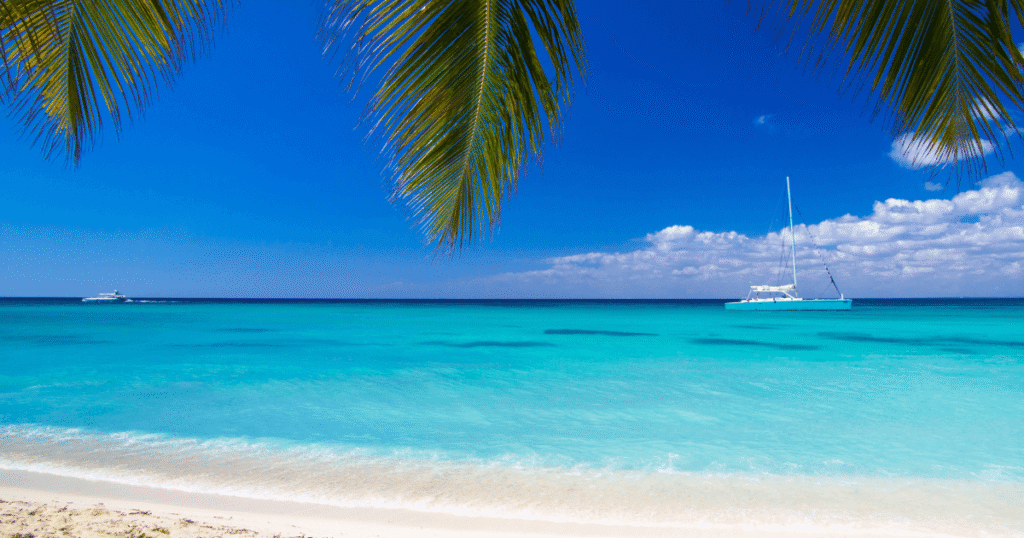
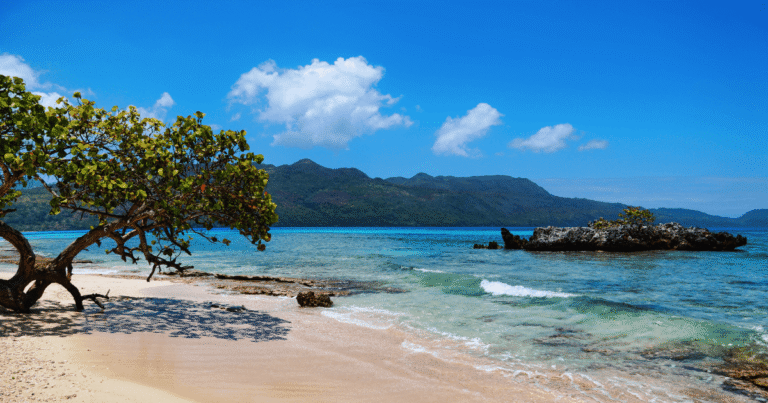
If Bávaro is the easy answer, Playa Rincón is the honest one. Set on the northeastern edge of the Samaná Peninsula, this long, curved bay is consistently named among the most beautiful beaches in the entire Caribbean, and it stays that way precisely because it is harder to reach than a resort beach.
The beach stretches for kilometers of soft golden sand backed by palm trees and green hills, and the water stays shallow and calm close to shore. Because it sits far from any major resort zone, even during high season you will find long sections where it is just you, the ocean, and a handful of small local food stalls at one end of the bay.
How to reach Playa Rincón: most travelers arrive either by boat from Las Galeras, a scenic 20 to 30 minute ride, or by a rougher inland road that winds through countryside and hills. There are no large resorts here, and no luxury facilities, so bring cash, water, and sunscreen.
Playa Rincón is the beach I would send any couple who tells me they want a Dominican Republic honeymoon that feels private rather than packaged. For a full breakdown of Samaná versus Punta Cana as a base, see our guide to where to stay in Dominican Republic.
Bahía de las Águilas – six untouched miles inside a national park
Bahía de las Águilas is the most pristine entry on this list, and arguably the most pristine beach left in the entire Caribbean. Tucked inside Jaragua National Park in the remote southwest of the country, this six-mile stretch of white sand has no hotels, no beach bars, and no beach chairs for rent, only ocean, sand, and wind.
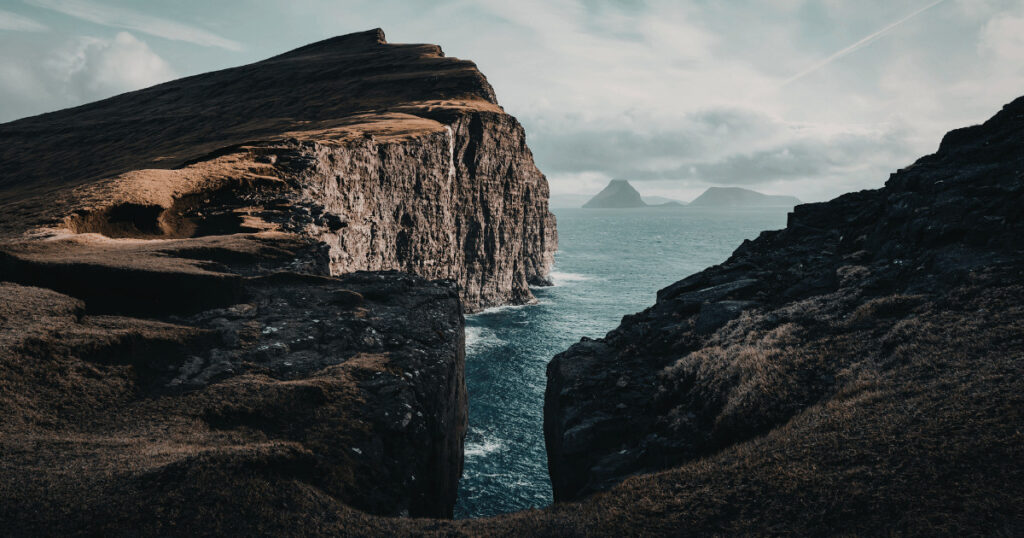
What sets this beach apart is scale combined with isolation. It stretches for several kilometers, yet even on a busier day it feels completely private, since the national park designation has kept large-scale development out entirely. Couples looking for a genuinely secluded beach moment tend to remember this one longest.
How to visit: most travelers reach the beach by boat from the small village of La Cueva, or via a guided tour departing from Pedernales. There are no facilities on-site, so bring everything you need, water, food, and sun protection, and go early for calmer seas and softer light.
This is not a beach for a lazy resort afternoon, it is a full day trip and a genuinely special one. For more remote destinations like this one, see our guide to hidden gems in Dominican Republic.
Isla Saona – the classic Dominican Republic day trip
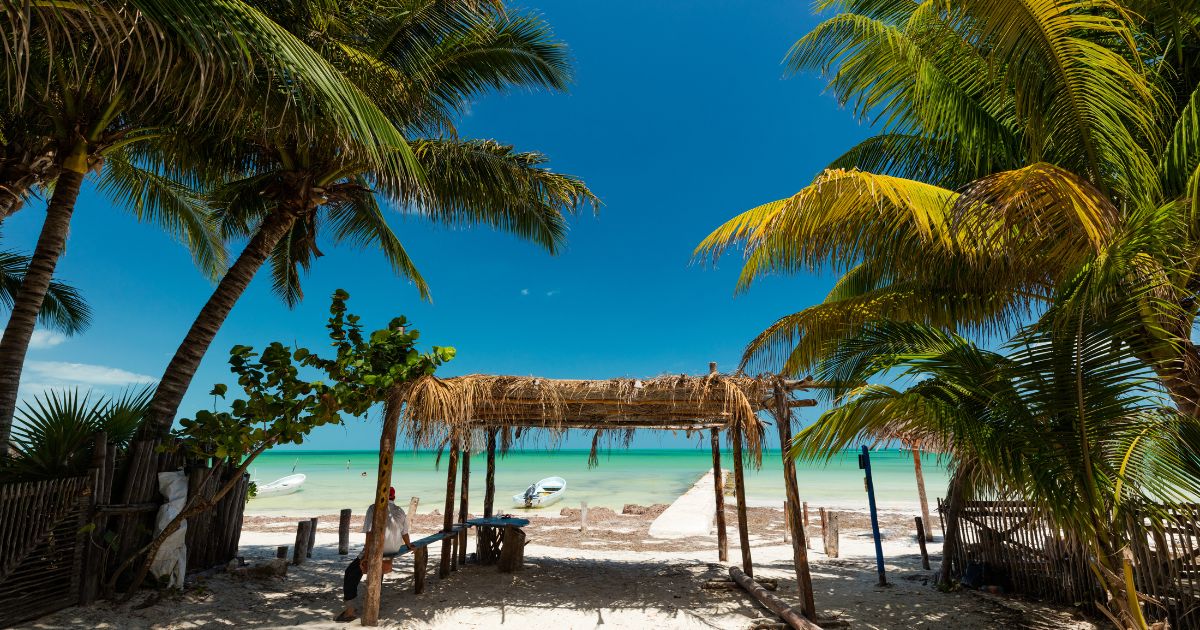
Ask any returning visitor which day trip they would repeat, and Isla Saona comes up more than any other. Part of Cotubanamá National Park off the southeastern coast, it is best reached by catamaran from Bayahibe, and the highlight is not the island itself but the natural pool along the way.
The natural pool is a shallow sandbank sitting in the middle of turquoise water, calm enough to stand in comfortably, and it is where you are most likely to see starfish scattered across the sea floor. Most catamaran tours stop here before continuing to a beach lunch on Saona itself, under rows of palm trees planted decades ago for a rum advertisement.
Where to base yourself for Saona: doing this trip from Bayahibe cuts roughly 90 minutes of travel each way compared to departing from Punta Cana, so if Isla Saona is a priority for your trip, consider staying closer to La Romana instead. Full comparison in our Where to Stay in Dominican Republic guide.
Book an Isla Saona catamaran day trip on Viator
Isla Catalina – calm reef snorkeling near La Romana
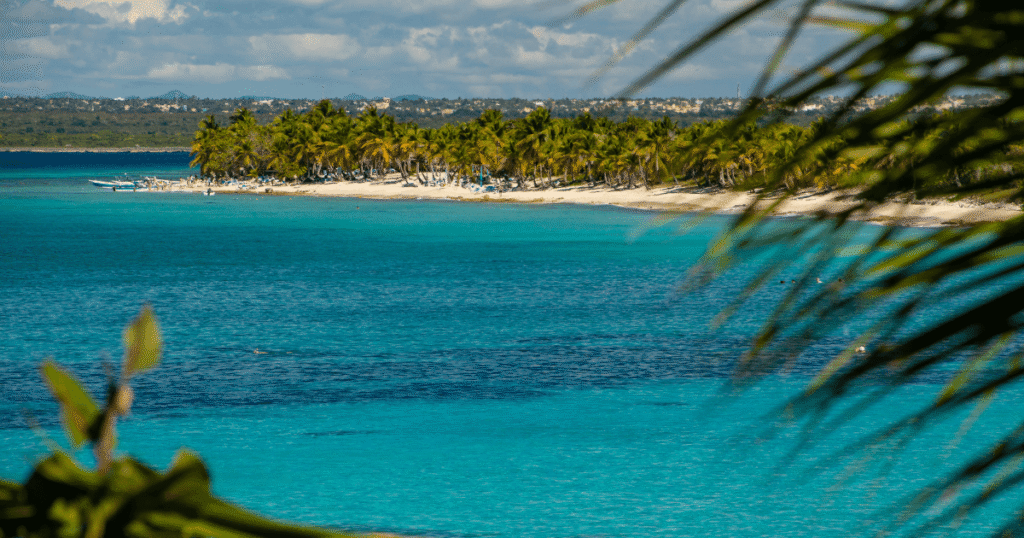
Isla Catalina is a small, uninhabited island just off the coast near La Romana, and it is the quieter alternative to the busier Saona catamaran crowd. The surrounding waters sit inside a protected marine area, so coral formations stay close to the surface and visibility is excellent even for beginner snorkelers.
Tour operators here tend to limit visitor numbers, which helps preserve both the reef and the experience itself. Colorful fish move through the coral in calm, shallow conditions, and it is easy to spend a long, unhurried morning simply floating and watching. Couples in particular tend to appreciate the more intimate scale compared to a full-day Saona trip.
Getting there: boats depart from La Romana, and most tours combine Isla Catalina with a beach lunch and free time on the sand. For nearby cultural stops, pair this trip with a visit to Altos de Chavón, the recreated 16th-century village a short drive from La Romana.
Playa Cosón, Las Terrenas – miles of sand with barely a soul in sight
Playa Cosón, just west of the town of Las Terrenas, is one of the longest and least developed beaches on the entire north coast. It stretches for miles backed by palm groves and small local restaurants, with almost none of the resort-scale development found in Punta Cana.
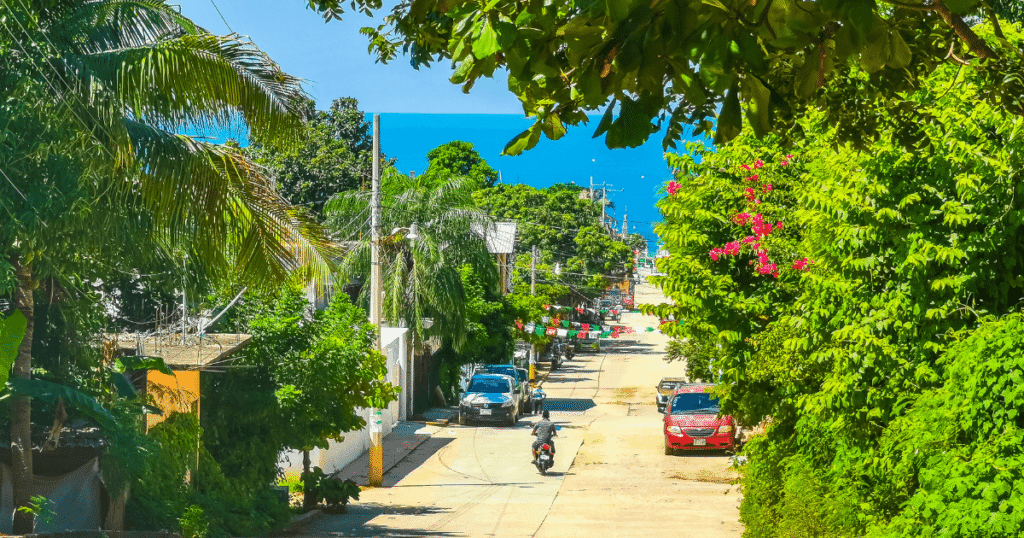
What makes Playa Cosón worth the detour is the sense of space. Even during high season, you can walk for long stretches without passing another sunbed. The town of Las Terrenas itself has a distinctly cosmopolitan feel, shaped by decades of French, Italian, and Spanish expat influence layered over genuine Dominican life, so a beach day here usually ends with excellent food rather than a resort buffet.
Sargassum seaweed is far less of a concern on this stretch of coast compared to Punta Cana, which makes Playa Cosón a strong pick for travelers visiting between May and October when the east coast can be affected.
Playa Bonita, Las Terrenas – the couples’ favorite
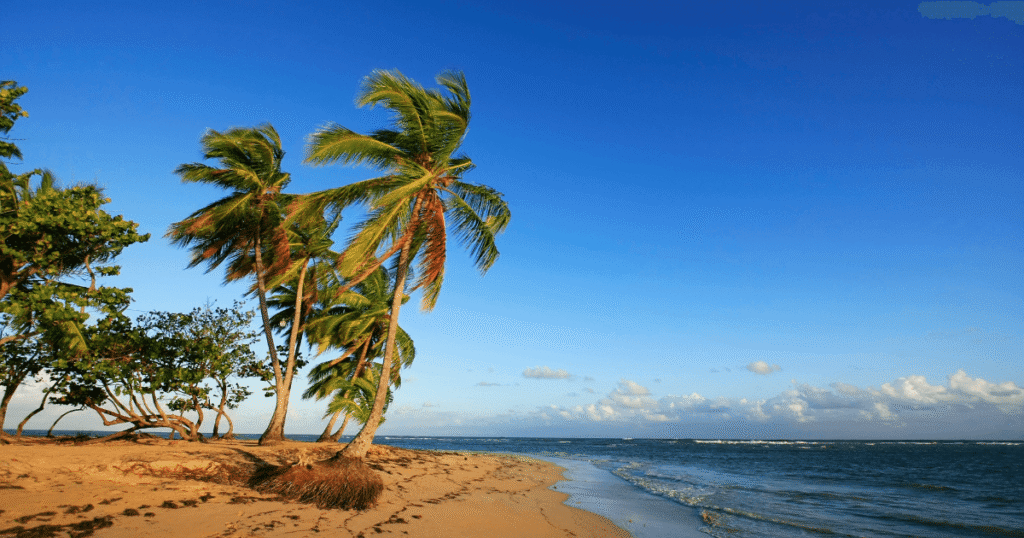
Ten minutes from the center of Las Terrenas, Playa Bonita lives up to its name. It is smaller and more intimate than Playa Cosón, with a handful of boutique hotels set discreetly back from the shoreline rather than looming over it, which keeps the atmosphere calm and unhurried.
The swimming here is gentle and shallow close to shore, and sunset tends to draw a small, relaxed crowd rather than a packed beach bar scene. It is the kind of place where an evening walk before dinner becomes the highlight of the day, which is exactly why it shows up so often in honeymoon planning for the north coast.
For a full look at boutique versus all-inclusive accommodation in this area, see our Dominican Republic Honeymoon guide.
Playa Frontón – the boat-only clifftop beach
Playa Frontón is the most dramatic beach on this list, and the most genuinely secret. Framed by towering limestone cliffs on the far edge of the Samaná Peninsula, the water here shifts between deep turquoise and emerald green, and there are no resorts, beach clubs, or crowds of any kind.
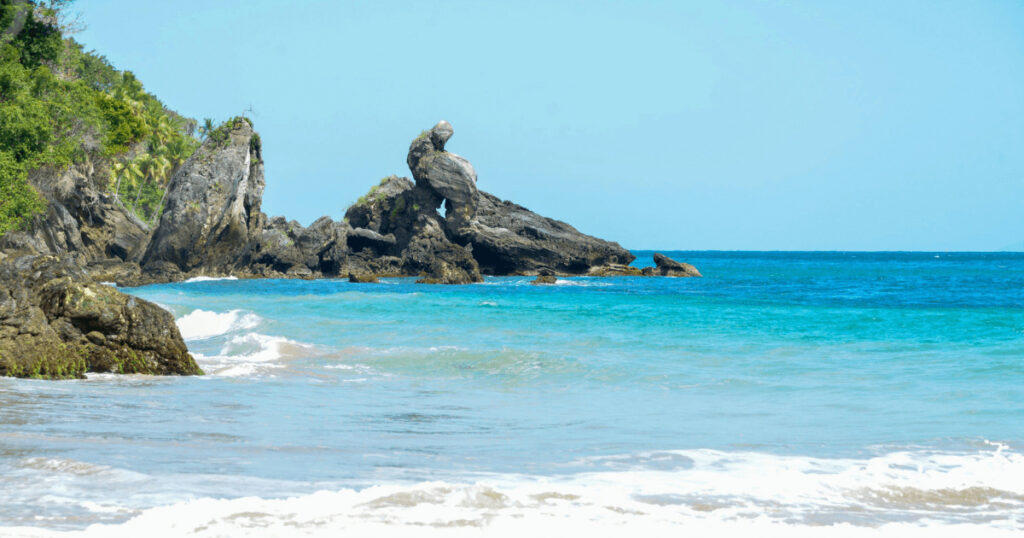
Playa Frontón has stayed this untouched precisely because there is no paved road leading to it. Visitors reach it either by boat from the fishing village of Las Galeras or by a demanding hike through rugged terrain, a natural filter that keeps mass tourism away entirely.
Water clarity here is exceptional, making it a strong pick for snorkeling as well as swimming, and many boat trips combine it with a stop at nearby Playa Madama. Bring proper shoes, water, and sun protection if hiking, and go with a local guide from Las Galeras if arriving by boat.
Tip: combine Playa Frontón with Playa Rincón in the same day for the most dramatic contrast between cliffs and open bay on the entire Samaná Peninsula.
Playa Macao – wild waves near the resort zone
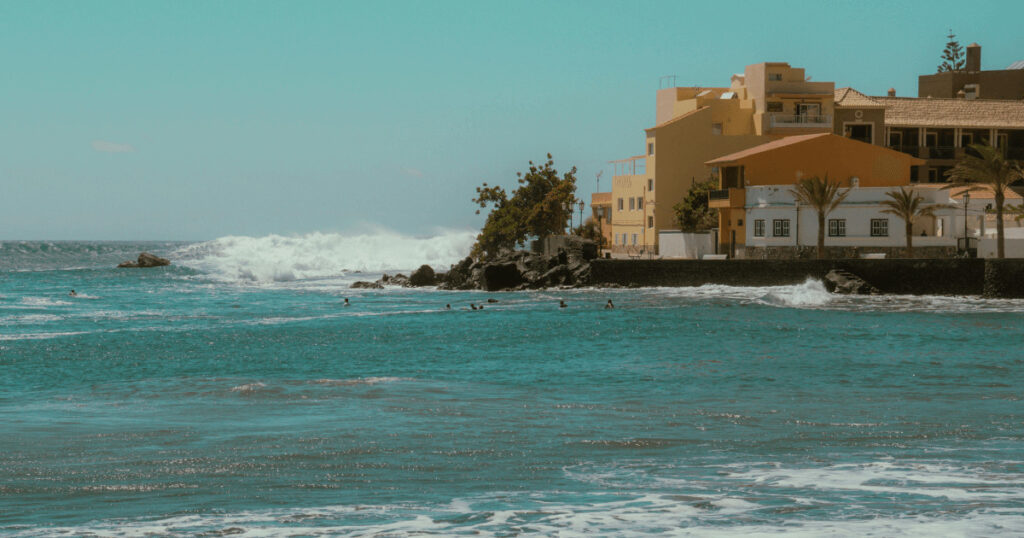
If Bávaro feels too polished, Playa Macao is the answer, and it sits just a short drive from the same resort zone. The waves here are noticeably bigger, which makes it Punta Cana’s main draw for surfers and bodyboarders rather than a calm swimming spot.
Unlike the resort-lined beaches nearby, Macao has almost no permanent development directly on the sand, just a handful of casual beach bars and horseback riding stands. It is a favorite half-day add-on for travelers based in Bávaro who want a change of pace without leaving the region.
Good to know: the surf that makes Macao exciting also makes it less suitable for young children or weak swimmers. Lifeguard presence is limited compared to resort beaches, so exercise more caution here than at Bávaro.
Cayo Levantado – the postcard island in Samaná Bay
Cayo Levantado is a small island in Samaná Bay, sometimes nicknamed Bacardi Island after appearing in old rum advertisements. It rounds out this list as the easiest boat trip in the Samaná area, a short 10 to 15 minute crossing from the town of Samaná itself.
The public side of the island offers calm, shallow water framed by palm trees, making it an easy add-on for travelers based in Samaná town, especially between January and March, when the same short boat ride out to the island can double as a chance to spot humpback whales in the bay.
It is smaller and busier than Playa Rincón or Bahía de las Águilas, but the convenience factor makes it a reliable half-day option if your schedule in Samaná is tight.
Beyond the Coast · Dominican Republic Tool
Not Sure Which Region Matches Your Beach Style?
Answer 6 quick questions and find out whether Punta Cana, Samaná, Las Terrenas, or Bayahibe fits your travel style best.
Take the Honeymoon Matcher Quiz →Best time to visit Dominican Republic beaches
One of the most common questions travelers ask is: when is the best time to visit the beaches in Dominican Republic?
December to April is the most reliable window across the whole country, with dry weather, calm seas, and the lowest chance of sargassum seaweed on the east coast. This period also overlaps with whale watching season in Samaná, which runs from January to March. If you prefer fewer crowds and lower prices, May and late November are strong shoulder-season picks, with generally good weather and noticeably thinner crowds at beaches like Playa Rincón and Bahía de las Águilas.
Between March and October, sargassum seaweed becomes a real factor on the east coast around Punta Cana and Bávaro, though resorts clear their sections daily. The north coast around Las Terrenas and the southwest around Bayahibe and Pedernales are far less affected, which makes them the more dependable choice if seaweed-free sand is a priority during those months. For a full month-by-month breakdown, read our Best Time to Visit Dominican Republic guide.
Dominican Republic beach tips – what to know before you go
A few practical notes worth knowing before you pack your bag. First, always bring reef-safe sunscreen and a light cover-up, the Caribbean sun is stronger than it feels, especially on boat trips to Saona or Catalina where there is little shade. Second, carry small cash in Dominican pesos for beach vendors, boat tours, and local food stalls, particularly at the more remote beaches like Playa Rincón and Bahía de las Águilas, where card payment is rarely an option.
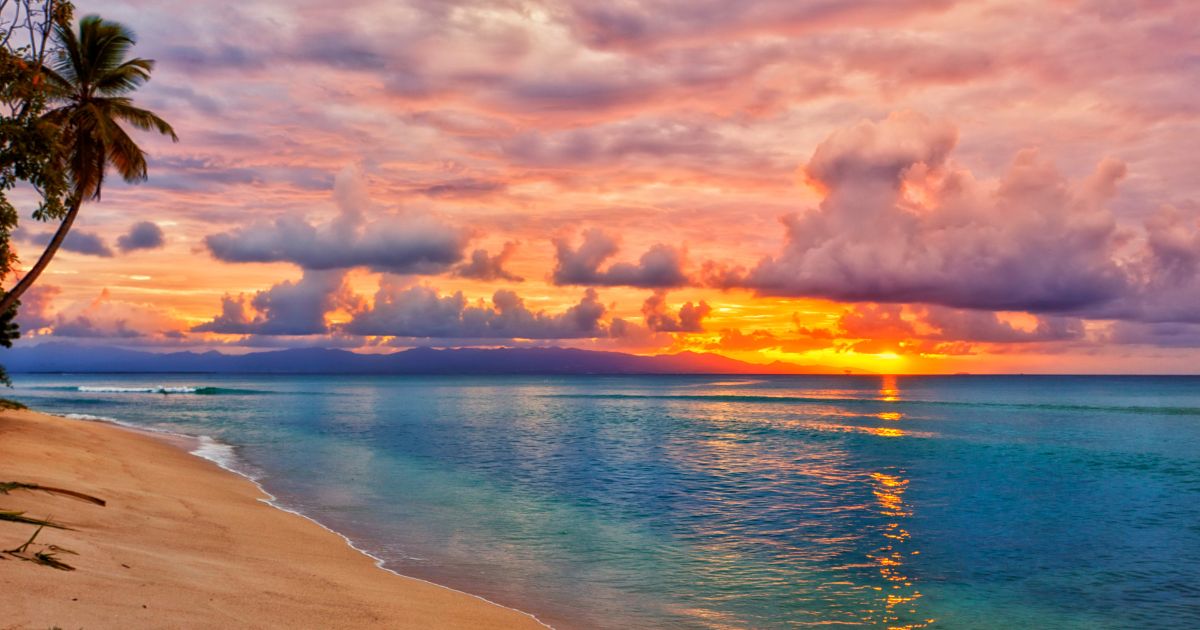
Check sargassum reports before booking if you are visiting the east coast between May and September, and consider a north or southwest coast base instead if seaweed-free beach days matter most to your trip. And if you are planning to split your time between two regions, a private transfer between Punta Cana and Samaná runs three to four hours by road, so factor that into your itinerary rather than trying to do both in a rushed weekend.
Want the full picture before you fly? Check out our honest guide to safety in Dominican Republic and our 10 breathtaking places to visit in Dominican Republic to round out your itinerary beyond the sand.
Best Beaches in Dominican Republic: Frequently Asked Questions
What is the most beautiful beach in Dominican Republic?
Playa Rincón on the Samaná Peninsula is widely considered the most beautiful beach in Dominican Republic, with kilometers of golden sand, calm water, and green hills behind it. Bahía de las Águilas is a close second for travelers who want total isolation inside a national park.
Which Dominican Republic beach is best for swimming?
Bávaro Beach in Punta Cana offers the calmest, most consistently swimmable water thanks to its offshore barrier reef, which is one reason it has the country’s largest concentration of resorts.
Is there seaweed on Dominican Republic beaches?
Sargassum seaweed affects the east coast around Punta Cana and Bávaro mainly between March and October. The north coast near Las Terrenas and the southwest coast near Bayahibe and Pedernales are far less affected during these months.
Which beach is closest to Punta Cana airport?
Bávaro Beach and Playa Macao are both within a 20 to 30 minute drive of Punta Cana International Airport (PUJ), making them the easiest options for short trips or travelers who do not want a long transfer.
Is Isla Saona worth the day trip?
Yes, particularly the natural pool stop along the way, a shallow sandbank where starfish gather in calm turquoise water. Basing yourself in Bayahibe rather than Punta Cana cuts the travel time significantly.
Which Dominican Republic beach is best for couples and honeymooners?
Playa Rincón, Playa Bonita, and Bahía de las Águilas are the top picks for couples who want privacy over resort convenience. For couples who prefer an all-inclusive setting, Bávaro remains the easiest choice. Use our Honeymoon Matcher quiz to find your best regional match.
Which beaches in Dominican Republic are best for snorkeling?
Isla Catalina and Playa Frontón offer the clearest water and richest marine life, with Isla Saona’s natural pool a close third for accessible, shallow snorkeling.
What’s the best time to visit Dominican Republic beaches?
December to April offers the most reliable weather and the lowest sargassum risk. May and late November are strong shoulder-season options with thinner crowds and generally good conditions.
Are Dominican Republic beaches safe?
Yes, with basic precautions such as staying aware at quieter beaches, securing valuables, and hiring local guides for remote spots like Playa Frontón or Bahía de las Águilas. The Dominican Republic welcomed roughly 5.6 million visitors in the first five months of 2026 alone, and its beach destinations have well-established tourism infrastructure.
Bávaro or Playa Rincón, how do I choose?
Choose Bávaro for convenience, resort amenities, and easy airport access. Choose Playa Rincón for a quieter, more romantic, and far less crowded beach experience that requires more effort to reach.
Planning your trip? Before heading to the beach, check out our Where to Stay in Dominican Republic guide to match your beach picks to the right base.
Want to make the most of your beach days? Don’t waste time chasing crowded resort strips when quieter alternatives are minutes away. Read our full guide to 10 hidden gems in Dominican Republic to plan smarter and focus on the experiences that matter most.
Don’t forget to follow us on Pinterest for more tropical travel ideas and beach inspiration. For official travel updates and practical info, visit the Dominican Republic Ministry of Tourism website.
Have you visited any of these Dominican Republic beaches, or found one we didn’t mention?