
Last Updated: July 2026
Expert Summary: Where to Stay in Dominican Republic
Focus keyword: where to stay in Dominican Republic
The best area to stay in the Dominican Republic depends entirely on what kind of trip you want. Punta Cana is the top choice for luxury all-inclusive resorts and easy international access. Samaná Peninsula is best for couples and nature lovers who want wild beaches and boutique hotels. Bayahibe suits snorkeling enthusiasts and those who want to visit Isla Saona. Las Terrenas offers a cosmopolitan beach town experience with French Caribbean soul. Santo Domingo is the only area for travelers who prioritize colonial history and city culture over beaches. For most first-time visitors, Punta Cana is the logical starting point. For repeat visitors or couples seeking something more authentic, Samaná or Las Terrenas will be the better choice.
- Best for all-inclusive luxury: Punta Cana (Bávaro beach strip)
- Best for couples and romance: Samaná Peninsula, Las Terrenas
- Best for snorkeling and Isla Saona access: Bayahibe
- Best for culture and history: Santo Domingo (Zona Colonial)
- Best for budget travelers: Las Terrenas, Cabarete
- Best for adventure and water sports: Cabarete (north coast)
- Best for first-time visitors: Punta Cana
Where to Stay in Dominican Republic: The Honest Guide to Every Area
Choosing where to stay in the Dominican Republic is the single most important decision you will make before your trip. Get it right and every day flows effortlessly. Get it wrong and you will spend your vacation in a resort bubble that does not match what you were actually looking for. The island is not one destination. It is five or six completely different experiences sitting within the same country, each with its own personality, price range, and ideal traveler profile.
This guide to where to stay in Dominican Republic compares every major area directly and honestly, so you can choose with confidence rather than guess. For official destination information, the Dominican Republic Ministry of Tourism also provides up-to-date travel guidelines and regional resort maps.
Table of Contents
Dominican Republic areas at a glance: quick comparison
Which area of the Dominican Republic is best overall? The most common question travelers ask when deciding where to stay in Dominican Republic is exactly this: is there one area that is objectively the best? The honest answer is no. There is a best area for your specific travel style. The table below gives you a direct side-by-side comparison of every major region.
| Area | Vibe | Beach Quality | Price Range | Crowd Level | Best For | Airport |
|---|---|---|---|---|---|---|
| Punta Cana | Luxury resort | Excellent | $$$ to $$$$ | High | First-timers, families, luxury | PUJ (20 min) |
| Samaná Peninsula | Wild and authentic | Outstanding | $$ to $$$ | Low | Couples, nature lovers | SDQ (2.5 hrs) |
| Bayahibe | Quiet and local | Very Good | $$ to $$$ | Low | Snorkeling, Isla Saona trips | SDQ (90 min) |
| Las Terrenas | Cosmopolitan beach town | Excellent | $ to $$$ | Low to Medium | Budget, expats, foodies, couples | SDQ (2 hrs) |
| Santo Domingo | Colonial capital city | No beach | $ to $$$ | Medium | History, culture, city stays | SDQ (city) |
| Cabarete | Surf and wind sports | Good | $ to $$ | Medium | Adventure, kitesurfing, digital nomads | SDQ (2.5 hrs) |
Which area of the Dominican Republic is right for you?
Use this decision matrix to match your priorities to the right area. Find the row that describes you best and go straight to that section.
| You want… | Best Area | Why |
|---|---|---|
| Zero logistics, everything included | Punta Cana | Most all-inclusive resorts, easiest airport transfer |
| Wild beaches and nature, no resort crowds | Samaná | Playa Rincón, El Limón waterfall, whale watching |
| Romantic honeymoon, boutique and intimate | Las Terrenas or Samaná | Small hotels, great food, no resort-scale crowds |
| Snorkeling, diving and Isla Saona day trips | Bayahibe | Best reef access, closest point for Saona catamaran |
| Colonial history, museums, city energy | Santo Domingo | UNESCO Zona Colonial, oldest European city in Americas |
| Kitesurfing, windsurfing, active beach life | Cabarete | Kite Beach, global wind sports hub, lively nightlife |
| Good value without sacrificing beach quality | Las Terrenas | Wide price range, excellent beaches, local restaurants |
| Whale watching (January to March only) | Samaná (town) | Only place in the Caribbean for humpback whale watching |
Still not sure? Find your perfect Dominican Republic match
If you are a couple planning your trip, our Honeymoon Matcher quiz will tell you in 6 questions exactly which DR region and accommodation style fits your travel profile best. The results directly match the areas covered in this guide.
Punta Cana: the best area to stay for first-time visitors and all-inclusive holidays
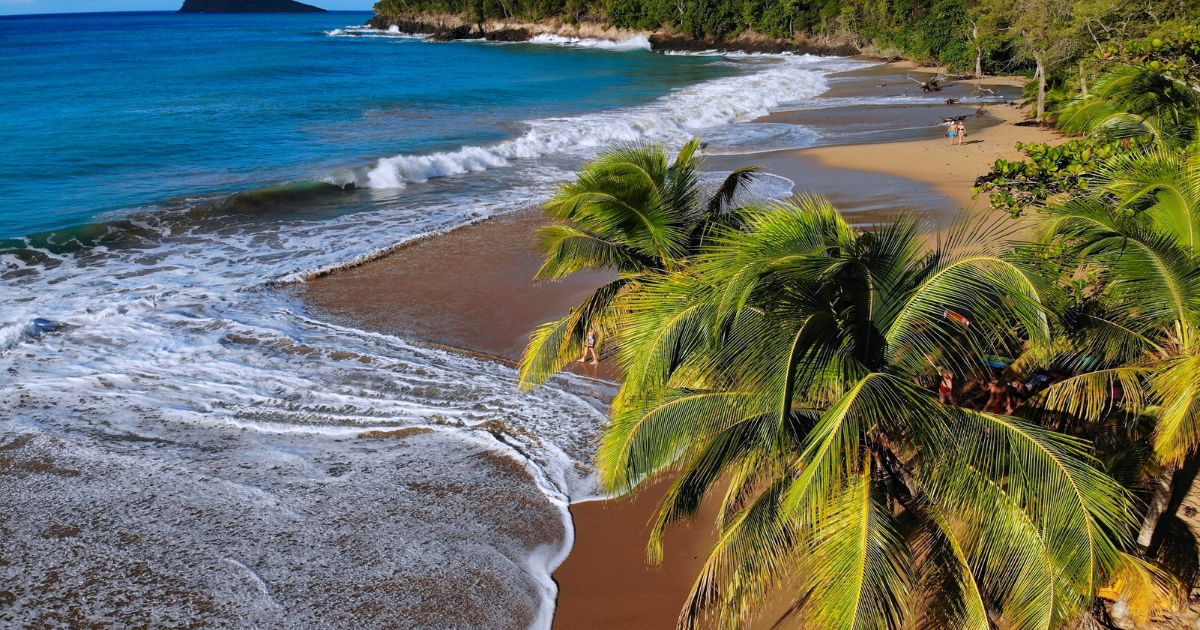
What is Punta Cana best for? For most travelers deciding where to stay in Dominican Republic for the first time, Punta Cana is the default answer and a very good one. It is best for travelers who want a seamless, high-quality beach holiday with everything included and zero logistics to manage. It is the most visited area of the Dominican Republic, located on the far eastern tip of the island with its own international airport (PUJ) that receives direct flights from over 50 cities worldwide. Most resort transfers take under 20 minutes from landing to check-in.
The area covers a roughly 48-kilometer stretch of coastline that includes several distinct sub-zones. Bávaro is the most popular, with the island’s highest concentration of five-star all-inclusive resorts. Macao Beach is wilder and attracts surfers and travelers who want less development. Cap Cana to the south is the premium luxury enclave with private villa estates and marina living.
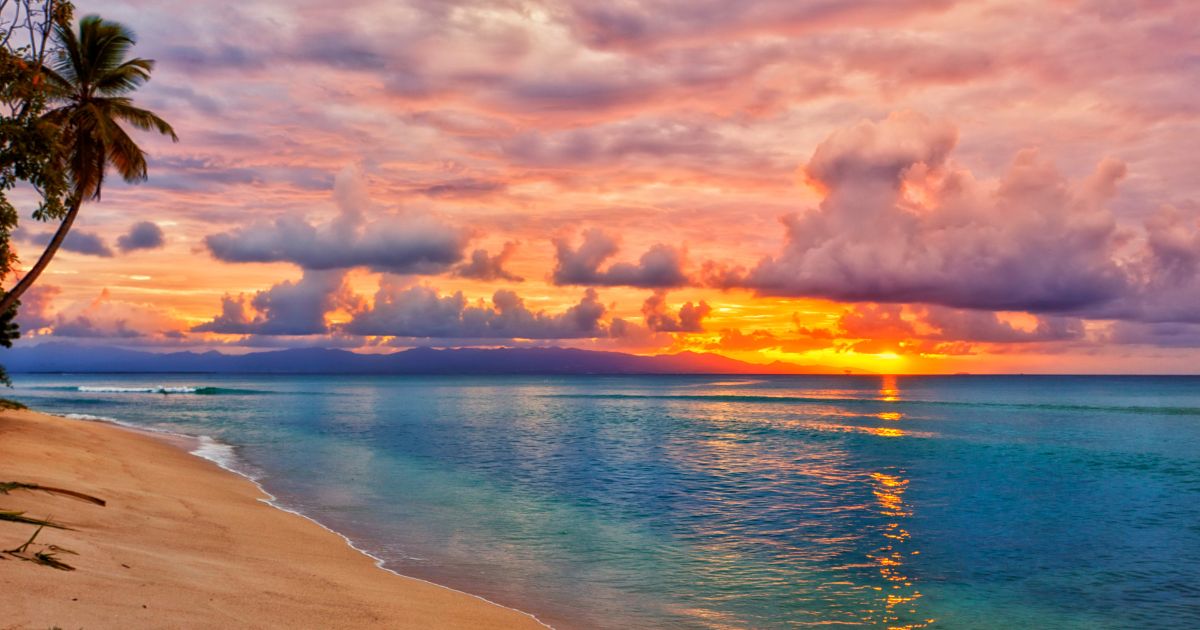
What travelers love about Punta Cana: The convenience factor is genuinely hard to match anywhere else in the Caribbean. You arrive, check in, and everything else is handled by your resort. Restaurants, bars, beach access, watersports, entertainment, and in many cases spa treatments and specialty dining are all covered within your room rate. For first-time international travelers or families who do not want to manage currency, taxis, or restaurant choices, this is an enormous advantage.
What travelers should know before booking: Punta Cana is a resort bubble. If you stay entirely within your all-inclusive compound, you will see very little of actual Dominican life, culture, or landscape. The beaches are beautiful but often shared with hundreds of other guests from neighboring resorts. Day trips to Isla Saona, Santo Domingo, or the cenotes at Hoyo Azul are the best way to add depth to a Punta Cana trip.
- First-time visitors to the Dominican Republic
- Families with children who want a managed, safe environment
- Couples who want luxury all-inclusive without the effort of planning
- Travelers with 5 to 7 days who want maximum beach relaxation
- Groups or wedding parties who need large resort infrastructure
Who should not stay here: Travelers who want authentic local culture, budget travelers, couples seeking intimacy and privacy away from resort crowds.
Punta Cana price range: Budget all-inclusive from $120 to $180 per person per night. Mid-range adults-only from $200 to $350 per person per night. Premium and ultra-luxury from $400 per person per night upward. For detailed honeymoon-specific pricing, read our Dominican Republic Honeymoon Guide which includes a full budget breakdown table.
Samaná Peninsula: best area to stay for couples, nature lovers, and whale watching
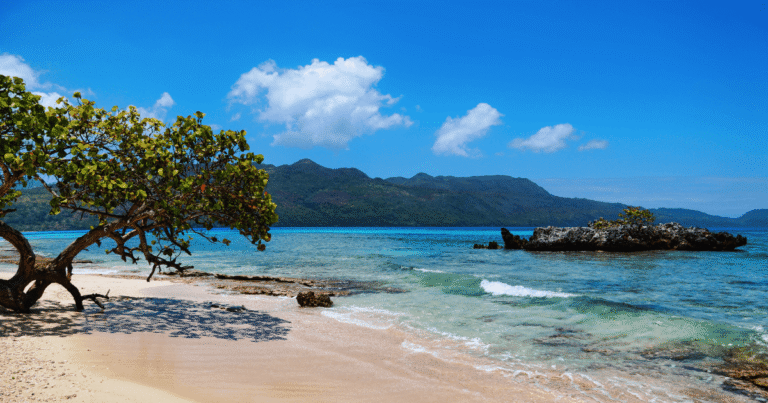
What is Samaná best for? Samaná Peninsula is best for travelers who want wild, unspoiled beaches, authentic Dominican life, and accommodation that feels personal rather than packaged. Located on the northeast coast, it is the most dramatically beautiful part of the island and the only place in the entire Caribbean where you can watch humpback whales from shore and by boat between January and March.
The peninsula has three distinct bases: the town of Samaná itself (best for whale watching tours and ferry access), Las Galeras at the far eastern tip (most remote, with access to Playa Rincón and Playa Frontón), and Las Terrenas on the northern coast (covered separately below as it has its own distinct character).
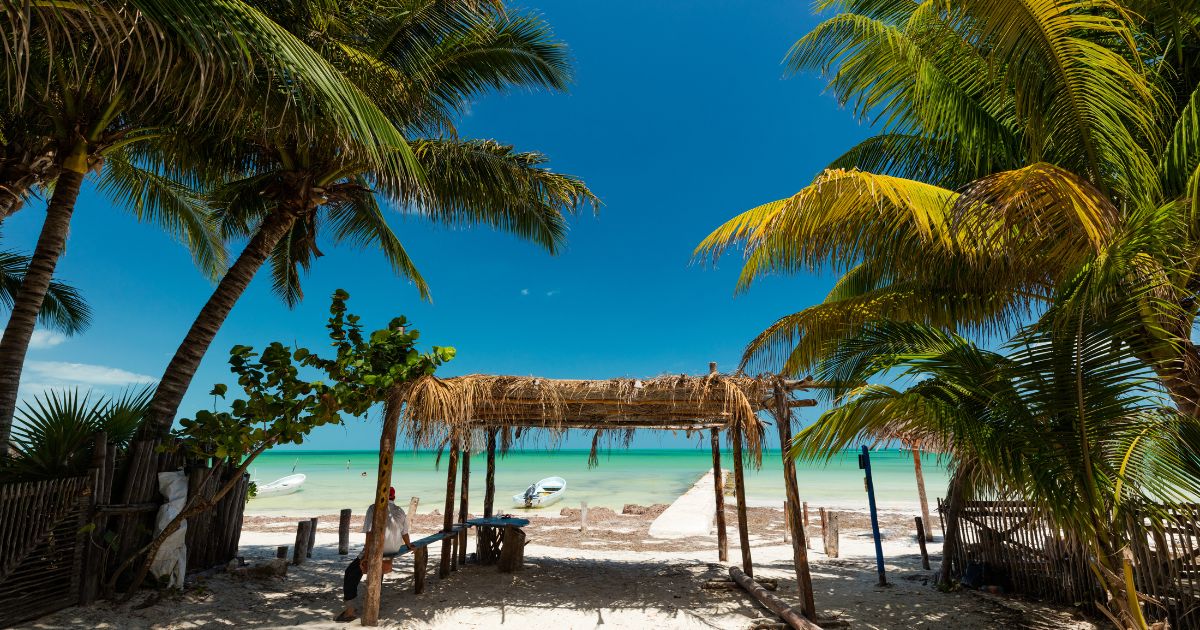
Why couples choose Samaná over Punta Cana: When couples ask where to stay in Dominican Republic for a honeymoon or romantic escape, Samaná consistently comes up as the answer for those who want authenticity over convenience. The difference is fundamental. Punta Cana is designed for volume. Samaná is designed for experience. Boutique hotels here are smaller, more personal, often run by independent owners who put genuine thought into what they offer. The beaches are longer and emptier. The surrounding landscape of jungle, hills, and rivers gives the area a romantic drama that resort zones cannot replicate.
Playa Rincón, accessible by boat from Las Galeras, is consistently ranked among the most beautiful beaches in the Caribbean. It stretches for kilometers with barely a handful of visitors even during high season. This kind of experience is simply not available in Punta Cana at any price point.
- Couples on a honeymoon or romantic trip who want intimacy over luxury resort infrastructure
- Nature lovers who prioritize wildlife, jungle, and untouched coastline
- Travelers visiting between January and March specifically for whale watching
- Anyone who wants to experience the Dominican Republic that exists outside the resort circuit
- Photographers and travelers who value dramatic, uncrowded landscapes
Who should not stay here: Travelers who need direct international airport access, families who want extensive resort amenities, or anyone whose priority is guaranteed poolside service.
For everything you need to know about visiting Samaná and the hidden beaches of the area, read our Hidden Gems Dominican Republic guide which covers Playa Frontón, Playa Rincón, Cascada El Limón, and Los Haitises National Park in detail.
Bayahibe and La Romana: best area for snorkeling, diving, and Isla Saona day trips
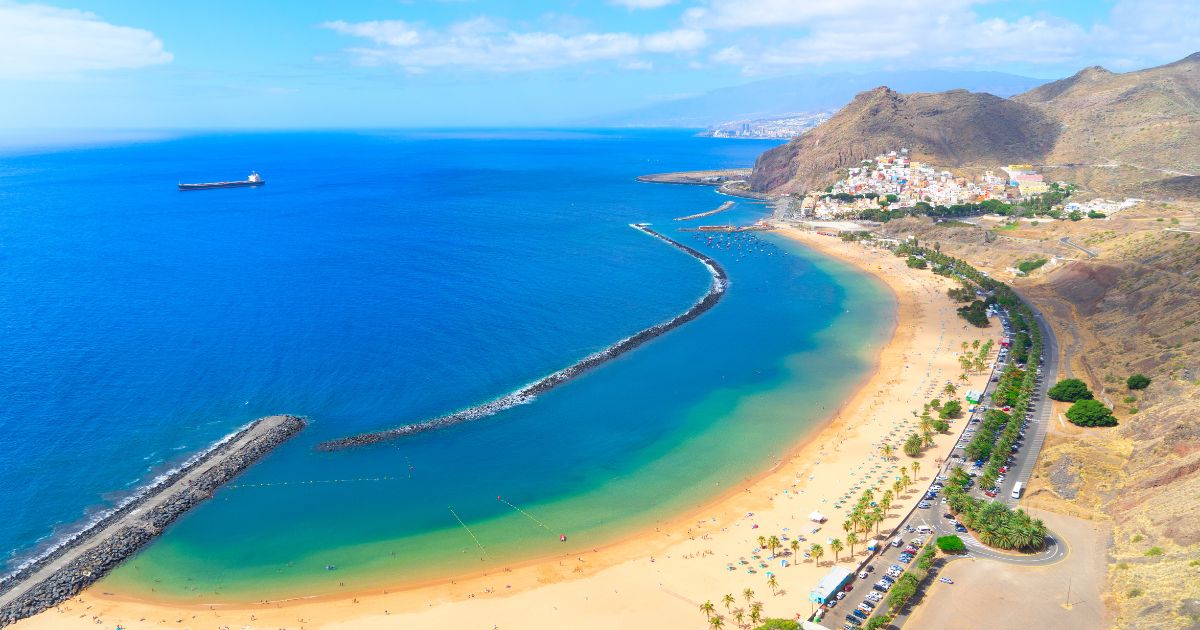
What is Bayahibe best for? Bayahibe is a small, charming fishing village near La Romana on the southeast coast. It is the best base in the Dominican Republic for anyone whose holiday is centered on snorkeling, diving, or a catamaran day trip to Isla Saona. The village sits right at the entrance to Cotubanamá National Park, one of the best-preserved coral reef systems in the entire Caribbean, with excellent underwater visibility year-round.
Isla Saona catamaran trips depart from Bayahibe or the nearby dock at La Romana. These trips include a stop at the natural pool, a sandbank in shallow turquoise water where starfish gather, and are one of the most memorable day experiences available anywhere in the Caribbean. Doing this trip from Punta Cana adds an extra 90 minutes of travel each way compared to departing from Bayahibe directly.
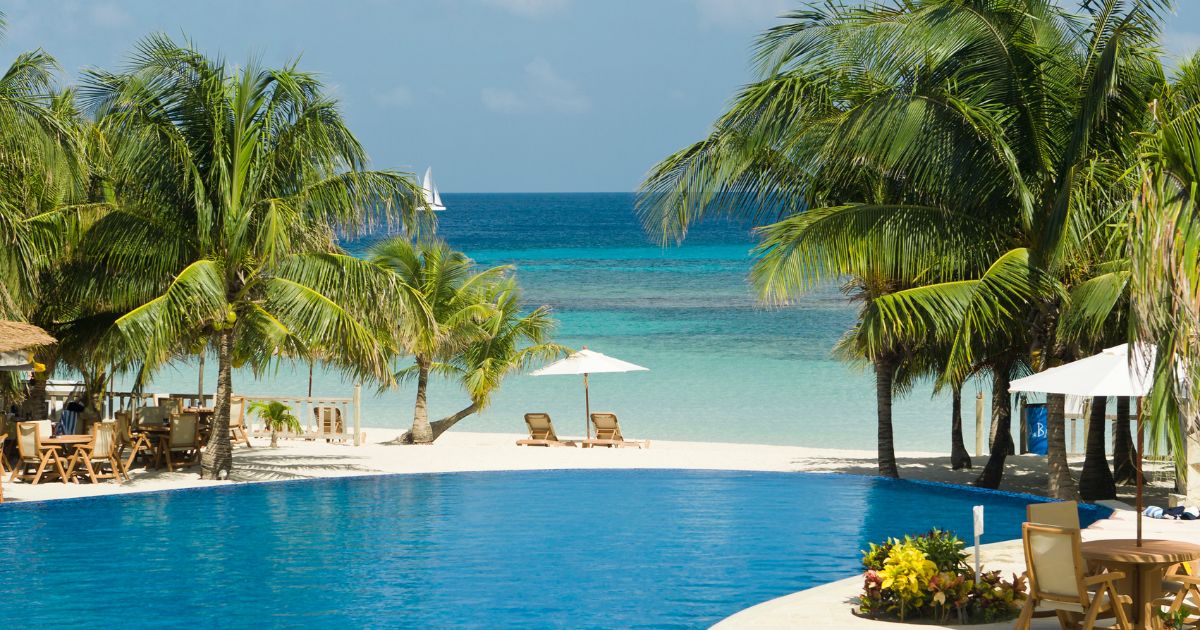
La Romana, 5 minutes from Bayahibe, adds another dimension to a stay in this area. Altos de Chavón, a stunning replica of a 16th-century Mediterranean village perched above the Chavón River, is one of the most unique cultural experiences in the country. Casa de Campo, one of the Caribbean’s most celebrated luxury resorts, is based here with world-class golf courses, a private marina, and polo grounds.
Bayahibe price range: Smaller boutique hotels and guesthouses from $80 to $180 per night. Mid-range resorts from $150 to $280 per night. Casa de Campo ultra-luxury starts at $500 per night. Overall it is significantly more affordable than Punta Cana while offering comparable or superior beach and water quality.
- Snorkeling and diving enthusiasts who want daily reef access
- Couples who want Isla Saona as a primary trip highlight
- Travelers who want quieter, more authentic atmosphere than Punta Cana
- Anyone interested in visiting Altos de Chavón and La Romana
- Budget-conscious travelers who still want excellent beach and water quality
Las Terrenas: best area for cosmopolitan beach town living and independent travelers
What is Las Terrenas best for? Las Terrenas is a beach town on the north coast of the Samaná Peninsula that offers something genuinely different from every other area in the Dominican Republic. It has the authentic tropical beach atmosphere of Samaná combined with an international food and social scene shaped by decades of French, Italian, and Spanish expat influence. The result is a place that feels both genuinely Dominican and surprisingly cosmopolitan.
Playa Cosón, just west of the town center, stretches for miles with barely a soul in sight. Playa Bonita, ten minutes away, is another outstanding beach that makes most other Caribbean destinations look ordinary. Neither has resort development. Both are simply spectacular stretches of sand backed by palm trees and local restaurants.
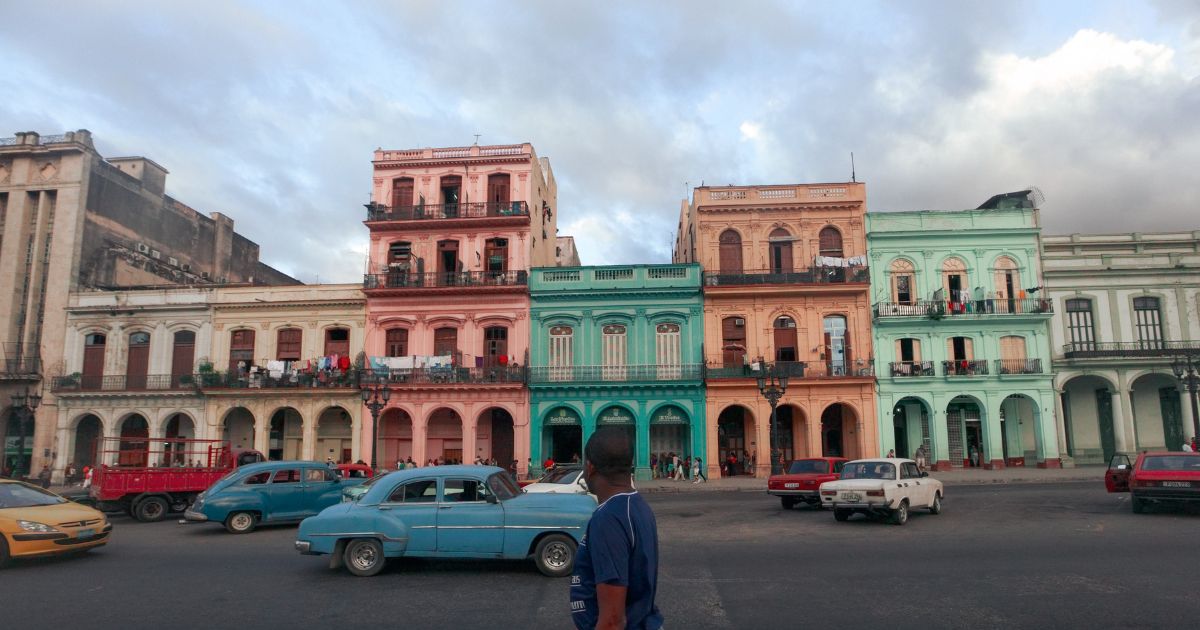
Why Las Terrenas is the best-kept secret in the Dominican Republic: Most international visitors to the Dominican Republic never come here. The flights typically route through Santo Domingo rather than directly, and the drive from the capital takes around two hours. These friction points are exactly why Las Terrenas has remained so unspoiled. Travelers who make the effort are consistently the ones who say it was the highlight of their entire trip.
The town has a genuine mix of accommodation from budget guesthouses to boutique oceanfront hotels. Restaurants range from local Dominican spots to excellent French bakeries and Italian trattorias. Evening life is animated but relaxed, with merengue and salsa playing from open-air bars and the kind of social atmosphere that makes it easy to meet other travelers.
- Independent travelers and couples who enjoy exploring beyond resort perimeters
- Digital nomads and long-stay visitors who want a real beach town base
- Foodies who want excellent restaurant options beyond resort buffets
- Budget travelers who still want beautiful beaches and good accommodation
- Repeat visitors to the Dominican Republic looking for a new experience
Price range: Guesthouses from $50 to $90 per night. Boutique hotels from $100 to $250 per night. Very few large all-inclusive options, which is by design.
Santo Domingo: best area for history, culture, and city stays
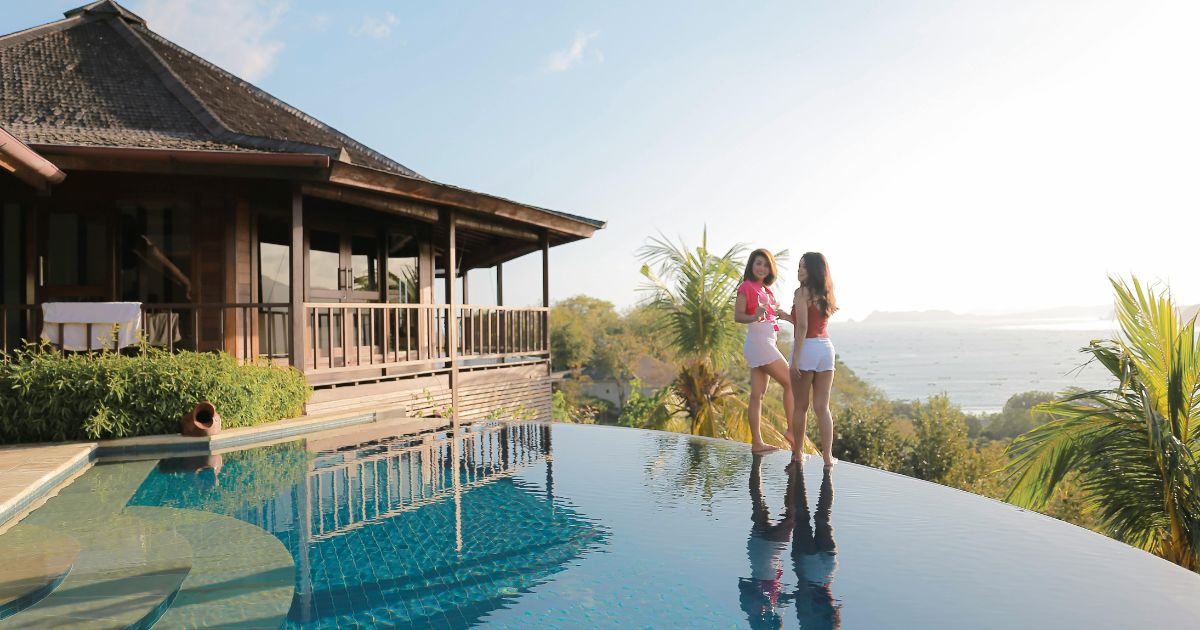
Should you stay in Santo Domingo? Santo Domingo is the only area in this guide where the beach is not the primary reason to visit. The capital city is home to the UNESCO-listed Zona Colonial, the oldest continuously inhabited European city in the Americas, founded in 1496. Staying here makes sense if colonial architecture, museums, Dominican food culture, and city energy are what you came for.
Most travelers to the Dominican Republic use Santo Domingo as a one or two-night stop within a longer trip rather than as their primary base. The Zona Colonial covers a walkable historic district with pastel-colored houses, 16th-century cathedrals, cobblestone streets, and some of the best restaurants in the country. The Alcázar de Colón, the Catedral Primada de América (the oldest cathedral in the Western Hemisphere), and Calle Las Damas (the first paved street in the New World) are all within easy walking distance of each other.
- History and culture enthusiasts who want more than beach and pool
- Travelers on 10+ day trips who want to add a cultural contrast to their beach itinerary
- Business travelers with meetings in the capital
- Food lovers who want access to the country’s best restaurant scene
Who should not base here: Anyone whose primary goal is beach and water access. Santo Domingo has no beach. The nearest good beach is a 45-minute drive.
Price range: Good hotels in the Zona Colonial from $80 to $200 per night. Boutique historic hotels from $150 to $350 per night.
All-inclusive vs adults-only vs boutique hotel: which is right for your Dominican Republic trip?
Once you have chosen your area, the second decision is what type of accommodation suits you best. These three categories represent fundamentally different holiday experiences, not just price points.
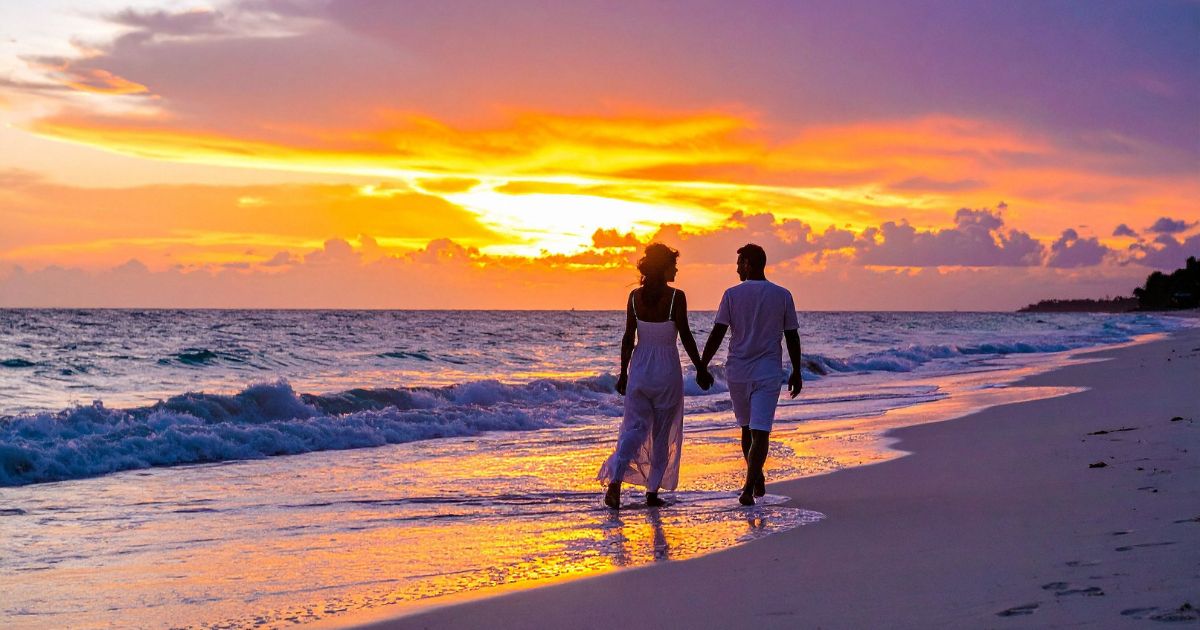
Adults-only all-inclusive resorts are the best choice for couples and honeymooners who want total relaxation without the presence of families with children. These properties in Punta Cana offer private beach sections, couples spa packages, swim-up bars, and candlelit beach dinner experiences. The trade-off is that you are still in a shared resort environment with other guests. Privacy exists within your room, not across the property.
Standard all-inclusive resorts suit families and groups who want predictable costs and maximum activity options. These properties offer the widest range of restaurants, entertainment, and sporting activities. They are the least intimate but the most logistically convenient option available in the Dominican Republic.
Boutique hotels are the best choice for travelers who want personality, local character, and a more personal relationship with their accommodation. These properties are typically found in Samaná, Las Terrenas, Bayahibe, and Las Galeras. Room counts are small, staff know your name, and the design often reflects genuine thought rather than standardized resort aesthetics. The trade-off is fewer on-site facilities and the need to go outside for some meals and activities, which many travelers consider a feature rather than a drawback.
| Accommodation Type | Best Area | Price Range | Choose If… |
|---|---|---|---|
| Standard All-Inclusive | Punta Cana | $120 to $250/night | Families, groups, want zero decisions |
| Adults-Only All-Inclusive | Punta Cana | $200 to $400/night | Couples, honeymoons, quiet atmosphere |
| Boutique Hotel | Samaná, Las Terrenas, Bayahibe | $80 to $250/night | Independent travelers, character seekers |
| Luxury Villa / Private Estate | Cap Cana, Casa de Campo | $400 to $1,500+/night | Groups, ultra-luxury, complete privacy |
For a complete breakdown of honeymoon-specific accommodation options with budget guidance, read our Dominican Republic Honeymoon Guide. For the best time to visit each area based on weather and price, read our Best Time to Visit Dominican Republic guide with full month-by-month matrix.
Practical tips before you book: what most guides on where to stay in Dominican Republic do not tell you
The seaweed question: Sargassum seaweed is a genuine concern in the Dominican Republic, particularly on the east coast (Punta Cana) between March and October. Major resorts employ teams who clear beaches daily, but during peak sargassum season the removal cannot always keep up with incoming tide volumes. The north coast (Las Terrenas, Cabarete) and southwest coast (Bayahibe) tend to be less affected. The Dominican Republic and Mexico issued a joint statement in 2025 calling for regional action on the sargassum problem, which has been worsening since 2023. If you are visiting between June and September, check recent guest reviews for specific beach conditions at your resort before booking.
Airport logistics: Punta Cana (PUJ) is the only international airport with direct flights from a large number of North American and European cities. All other areas on this list are served from Santo Domingo (SDQ), which requires either a connecting domestic flight or a two to three-hour road transfer. This is not a problem once you understand it, but it is a surprise that catches many first-time visitors off guard.
Splitting your trip: One of the most popular answers to the question of where to stay in Dominican Republic for longer holidays is to simply choose two areas rather than one. A 10-plus day split between two regions is genuinely rewarding. Four nights in Punta Cana for resort relaxation, followed by four nights in Samaná or Las Terrenas for authenticity and nature, gives you a genuinely complete picture of what the Dominican Republic offers. The transfer between Punta Cana and Samaná takes about three to four hours by road, or you can fly via SDQ.
For a complete overview of the island’s top destinations beyond accommodation, read our guide to the 10 Best Places to Visit in Dominican Republic.
Frequently Asked Questions: Where to Stay in Dominican Republic
Where is the best place to stay in Dominican Republic for the first time?
Punta Cana is the best area for first-time visitors. It has the easiest airport access (PUJ, 20 minutes from most resorts), the largest selection of all-inclusive resorts, excellent beaches, and well-established infrastructure. For travelers who want to go beyond the resort, day trips to Isla Saona and a one-night stop in Santo Domingo add significant depth.
Is Punta Cana or Samaná better for couples?
Samaná is generally better for couples who want intimacy, wild nature, and boutique accommodation. Punta Cana suits couples who want luxury all-inclusive convenience. Many couples split their trip between both: starting in Punta Cana for resort relaxation, then finishing in Samaná or Las Terrenas for authenticity and empty beaches.
What is the difference between Punta Cana and Bayahibe?
Punta Cana is the main all-inclusive resort hub with the easiest international airport access. Bayahibe is quieter, more affordable, and offers much better access to Isla Saona catamaran trips and coral reef snorkeling. Travelers who want Isla Saona as a primary highlight are better served staying in Bayahibe rather than making the longer journey from Punta Cana.
Where should I stay in Dominican Republic on a budget?
Las Terrenas offers the best combination of beach quality and affordable accommodation. Guesthouses start from $50 to $90 per night, with beaches like Playa Cosón among the most beautiful on the island. Cabarete on the north coast is another strong option for active budget travelers interested in kitesurfing.
Which area has the least seaweed?
The north coast (Las Terrenas, Cabarete) and the southwest coast (Bayahibe) tend to have less sargassum seaweed than Punta Cana, particularly between May and October. If visiting during these months, check recent guest reviews for current beach conditions before booking.
Is Santo Domingo worth staying in?
Worth one to two nights if you have 10-plus days and are interested in history. The UNESCO Zona Colonial is genuinely impressive. But Santo Domingo has no beach, so it does not make sense as a primary base for beach-focused travelers.
How do I get from Punta Cana to Samaná?
The road transfer takes three to four hours by private vehicle. Most travelers book a private transfer for $80 to $120 per vehicle. There is no shortcut. Many couples who split their trip find the drive through the Dominican countryside to be a pleasant scenic experience in itself.
Should I stay in Las Terrenas or Samaná town?
Las Terrenas for most travelers: better restaurants, more beautiful beaches (Playa Cosón), and a more interesting social atmosphere. Samaná town specifically for January to March whale watching tours, as it is the main departure point. Both are on the same peninsula but on different coasts.
Ready to plan your trip? Use our Honeymoon Matcher quiz above to find your ideal area, then read our guides to the Best Time to Visit Dominican Republic, the Dominican Republic Honeymoon Guide, and the Hidden Gems Dominican Republic to complete your itinerary.